
The Cost of Delayed Payments
A recent report examines the slow pace of healthcare insurance payouts, despite approved claims. The study, a collaboration between PYMNTS Intelligence and Visa Direct, highlights the need for faster payment processing. It analyzed the current state of healthcare insurance payouts. The findings reveal a significant delay.
Breaking news
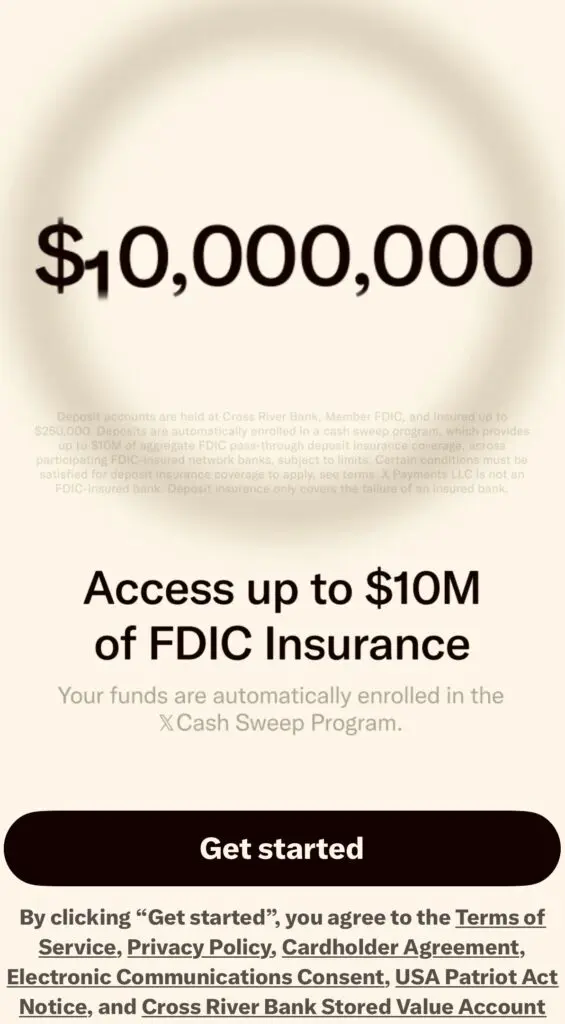 X Money Launches with High-Yield Savings and Cashback Rewards
 Splitit Announces White-Label Credit Card Launch
 Billing Friction Puts $12.3 Billion in Auto Loan Payments at Risk
 OneSpan Unveils New e‑Signature Features Including Identity Wallets and AI Workflow Support
The report shows that the last step in the claims process is often the most time-consuming. Even after insurance companies approve claims, payouts can take weeks or months to materialize. This delay can cause financial strain on individuals and healthcare providers. The slow pace of payouts is attributed to traditional payment processing methods.
Can Real-Time Payments Revolutionize Healthcare Insurance?
The report estimates that $252 billion in healthcare payouts are pending, awaiting faster payment rails. This substantial amount underscores the need for real-time payment processing. Faster payouts can alleviate financial pressure on individuals and healthcare providers. It can also improve the overall efficiency of the healthcare system.
The study emphasizes the importance of adopting real-time payment solutions. By doing so, healthcare insurance companies can expedite payouts and reduce the financial burden on claimants. This, in turn, can lead to improved patient satisfaction and better healthcare outcomes.
Frequently Asked Questions
The adoption of real-time payment processing can transform the healthcare insurance landscape. By enabling faster payouts, insurance companies can improve their services and reduce costs. This shift can also benefit healthcare providers, who can receive timely payments and better manage their finances.
The consequences of delayed payments can be far-reaching, affecting not only individuals but also the broader healthcare system. As the industry moves forward, the adoption of real-time payment processing is likely to become increasingly important.