Unlike traditional card rails, Pix operates as
Boku has officially launched regulated Pix payment operations in Brazil after securing a Payment Institution license and operational clearance from the Central Bank of Brazil, giving global merchants direct access to one of the world's largest real-time payments ecosystems. The company confirmed it has moved from infrastructure development into live production, enabling merchants to process Pix payments account-to-account through Brazil's Sistema de Pagamentos Instantâneos network. The launch reflects a much broader structural shift underway across global payments markets, where its real-time payment systems increasingly challenge the dominance of international card networks and reshape how global merchants approach local commerce infrastructure.
Breaking news
 X Money Launches with High-Yield Savings and Cashback Rewards
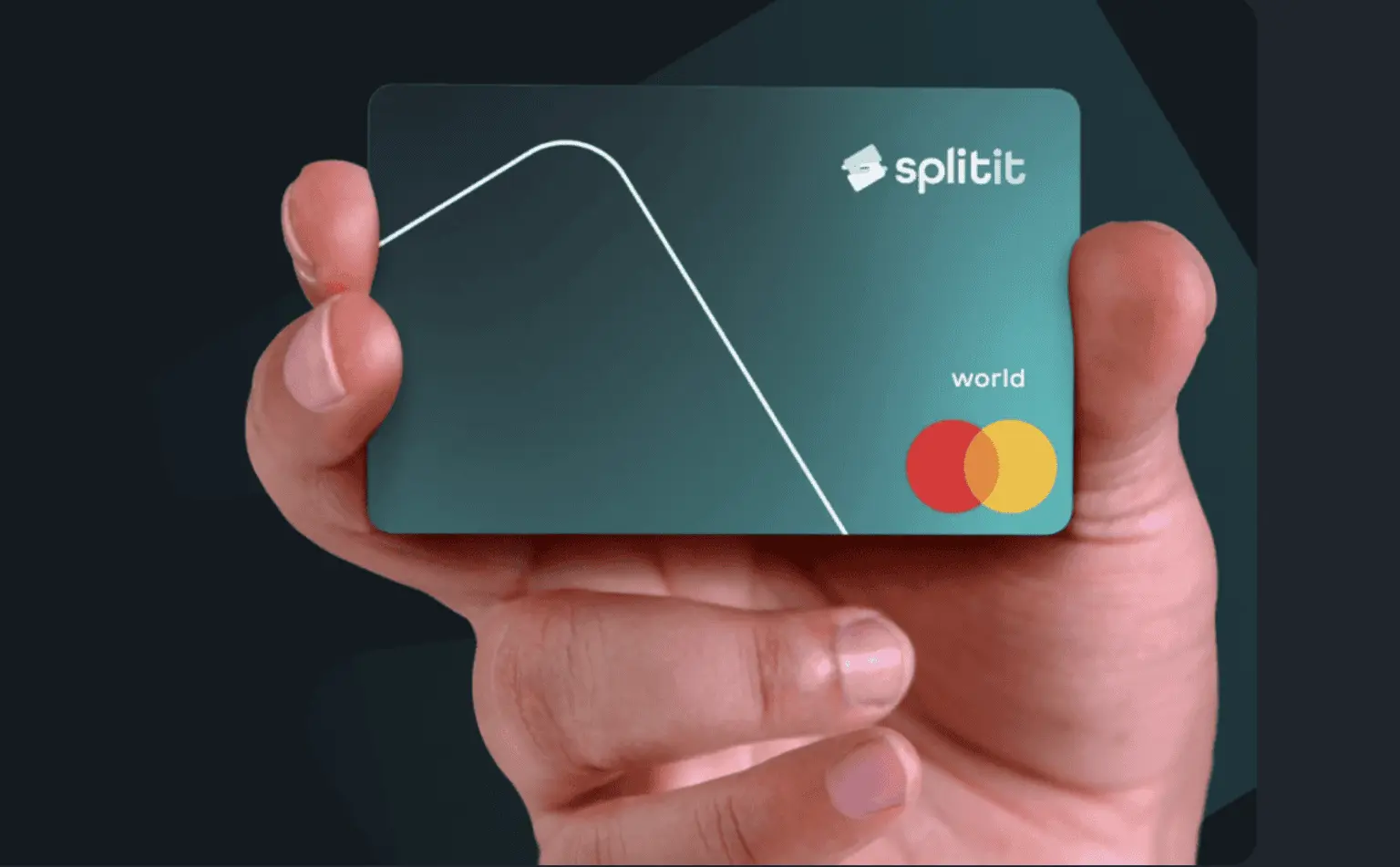 Splitit Announces White-Label Credit Card Launch
 Billing Friction Puts $12.3 Billion in Auto Loan Payments at Risk
 OneSpan Unveils New e‑Signature Features Including Identity Wallets and AI Workflow Support
Unlike traditional card rails, Pix operates as an instant account-to-account payment system supported directly by central bank infrastructure. Transactions settle in real time, operate continuously, and often carry lower costs than card-based systems. The rapid adoption demonstrated how government-backed payment infrastructure can scale quickly when combined with broad banking integration and strong consumer usability. For merchants operating in Brazil, Pix increasingly shifted from optional payment support into a competitive requirement.
These systems are increasingly competing with traditional global payment rails
These systems are increasingly competing with traditional global payment rails by offering faster settlement, lower fees, and stronger integration with domestic banking systems. Stuart Neal, CEO of Boku, commented, Governments, regulators and consumers are increasingly backing domestic payment infrastructure that is fast, secure and built around local needs. That movement toward payment sovereignty is reshaping how global merchants need to operate. The statement reflects a growing reality for international commerce platforms: local payment connectivity increasingly determines market competitiveness. Merchants operating globally now face fragmented payment ecosystems where local preferences vary substantially between markets.
The licensing framework allows Boku to operate payment initiation and e-money services directly within the Brazilian market. That direct regulatory positioning matters because many governments increasingly tighten oversight around payments infrastructure, cross-border settlement, and digital financial services. Operating through locally regulated structures can improve banking access, settlement efficiency, and merchant trust while also reducing operational dependence on intermediary partners. Brazil's payments market in particular operates under significant central bank supervision due to Pix s importance within the country s broader financial system.