Disputing the Rule's Intent
The Consumer Financial Protection Bureau (CFPB) is facing a lawsuit over its recent amendment to the Equal Credit Opportunity Act. Four plaintiffs are challenging the change, filed on May 28, 2026. They claim it undermines fair lending protections.
Breaking news
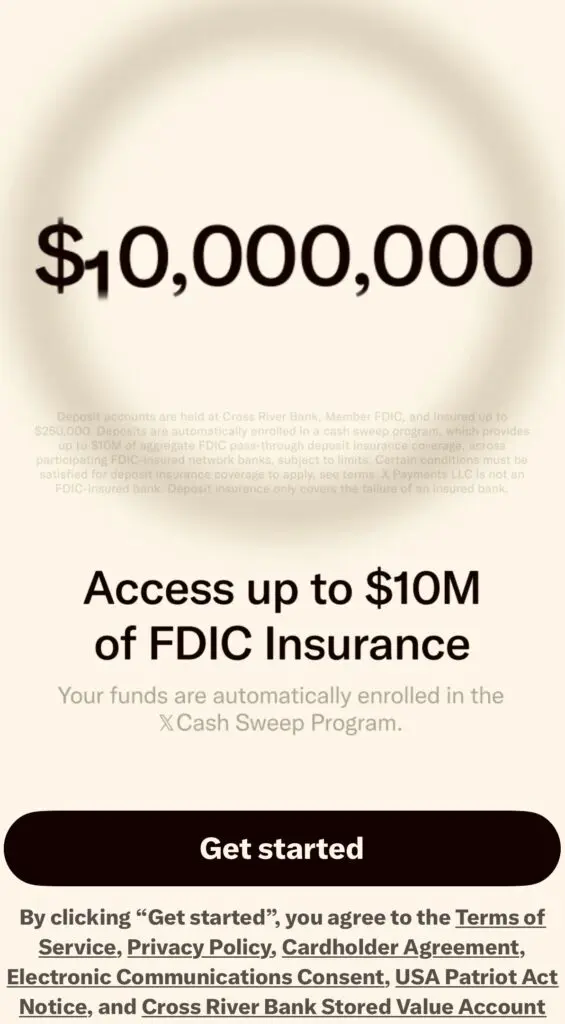 X Money Launches with High-Yield Savings and Cashback Rewards
 Splitit Announces White-Label Credit Card Launch
 Billing Friction Puts $12.3 Billion in Auto Loan Payments at Risk
 OneSpan Unveils New e‑Signature Features Including Identity Wallets and AI Workflow Support
The CFPB's final rule alters how the Equal Credit Opportunity Act is applied, sparking concerns among consumer advocates. The plaintiffs argue that this change effectively gutsexisting safeguards against discriminatory lending practices.
The lawsuit contends that the CFPB's amendment will lead to a lack of transparency in lending decisions. This could result in increased discrimination against minority groups. The plaintiffs assert that the rule change is a step backward in the fight for fair housing.
Will Fair Lending Protections Suffer?
Critics of the rule argue that it will make it more difficult for consumers to identify and challenge discriminatory lending practices. The CFPB's decision has been met with opposition from various consumer advocacy groups.
The outcome of this lawsuit could have significant implications for the future of fair lending protections. If the court rules in favor of the plaintiffs, the CFPB may be forced to reconsider its amendment.
The consequences of this rule change could be far-reaching, potentially affecting thousands of consumers. The lawsuit's outcome will be closely watched by consumer advocacy groups and industry stakeholders.
Frequently Asked Questions
What is the CFPB's role in regulating fair lending practices? The CFPB is responsible for enforcing laws related to consumer financial products, including fair lending practices.
What are the potential consequences of the rule change? The change could lead to increased discrimination against minority groups and a lack of transparency in lending decisions.
How might the lawsuit affect the CFPB's future actions? A ruling in favor of the plaintiffs could force the CFPB to reconsider its amendment and potentially strengthen fair lending protections.