
Navigating Partnership Complexities
Co-branded credit cards continue to be a valuable tool. They help smaller financial institutions compete effectively. Airlines first used these cards to boost loyalty programs. Now, many sectors—retail, dining, hotels—offer them to customers.
Breaking news
 X Money Launches with High-Yield Savings and Cashback Rewards
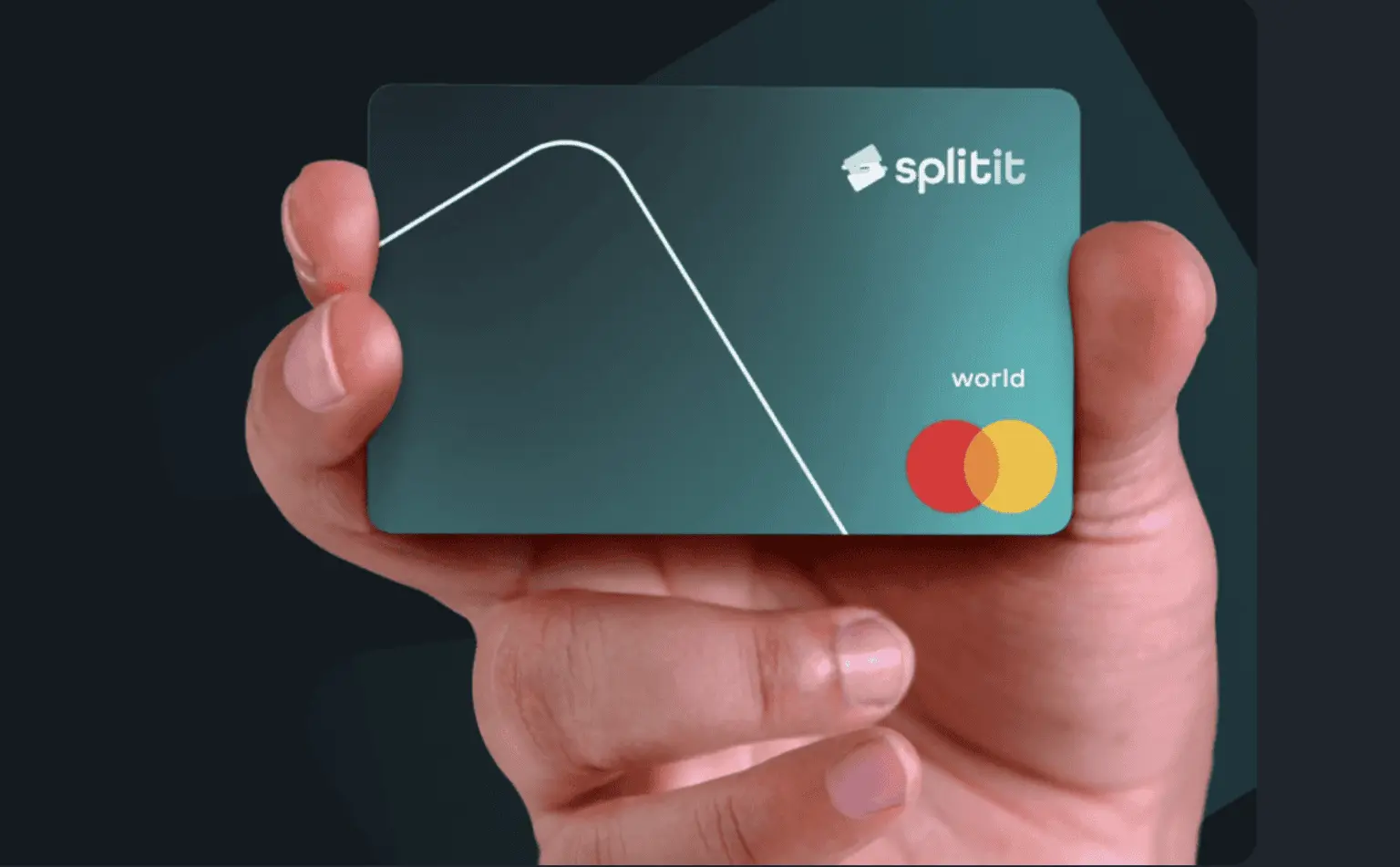 Splitit Announces White-Label Credit Card Launch
 Billing Friction Puts $12.3 Billion in Auto Loan Payments at Risk
 OneSpan Unveils New e‑Signature Features Including Identity Wallets and AI Workflow Support
These partnerships allow banks to reach new audiences. They do this by aligning with established brands. Wells Fargo recently ended its relationship with Kohl’s. This highlights the challenges and potential pitfalls of these arrangements. Not every co-branded card is successful long-term.
Co-branding isn’t simply slapping a logo on plastic. It requires careful planning and execution. The success hinges on a strong synergy between the bank and its partner. Both parties must share a common customer base. They also need aligned goals for the program. A mismatch can lead to disappointing results, as seen with the Kohl’s/Wells Fargo split.
Smaller issuers often lack the resources for large-scale, nationwide programs. Co-branding offers a way to focus efforts. They can target specific demographics or interests. This approach can be more efficient than broad marketing campaigns. It also builds stronger customer connections. The key is finding the right partner.
Can Niche Brands Drive Card Growth?
Beyond major retailers, opportunities exist with niche brands. Think specialty stores, travel groups, or even local businesses. These partnerships can appeal to dedicated customer bases. This offers a focused approach to card acquisition. These customers are often highly engaged and loyal. They present a valuable segment for card issuers.
Data shows that co-branded cards often have higher spending rates. Customers use them to maximize rewards within the partner ecosystem. This benefits both the bank and the brand. It creates a virtuous cycle of engagement and revenue. However, managing these programs requires expertise. Banks need to understand rewards structures and customer behavior.
The end of the Wells Fargo/Kohl’s partnership serves as a cautionary tale. It underscores the importance of thorough due diligence. Banks must assess the long-term viability of the partnership. They also need to consider potential changes in the market. A successful co-branded card program demands ongoing management and adaptation.
Frequently Asked Questions
Looking ahead, co-branded cards will likely remain relevant. They provide a competitive advantage for smaller issuers. By carefully selecting partners and focusing on customer needs, banks can unlock significant growth potential. The future favors strategic collaborations.
What are the biggest risks of co-branded cards? The primary risk is partner misalignment. If the brand’s values or customer base don’t match the bank’s, the program may fail. Economic downturns impacting the partner’s business also pose a threat.
How do smaller banks benefit most from these cards? Smaller banks gain access to a pre-existing customer base. This reduces marketing costs and accelerates card acquisition. They can also differentiate themselves from larger competitors.
Are rewards programs essential for success? Yes, compelling rewards are crucial. They incentivize card usage and drive spending within the partner’s ecosystem. Rewards should be relevant to the target audience.