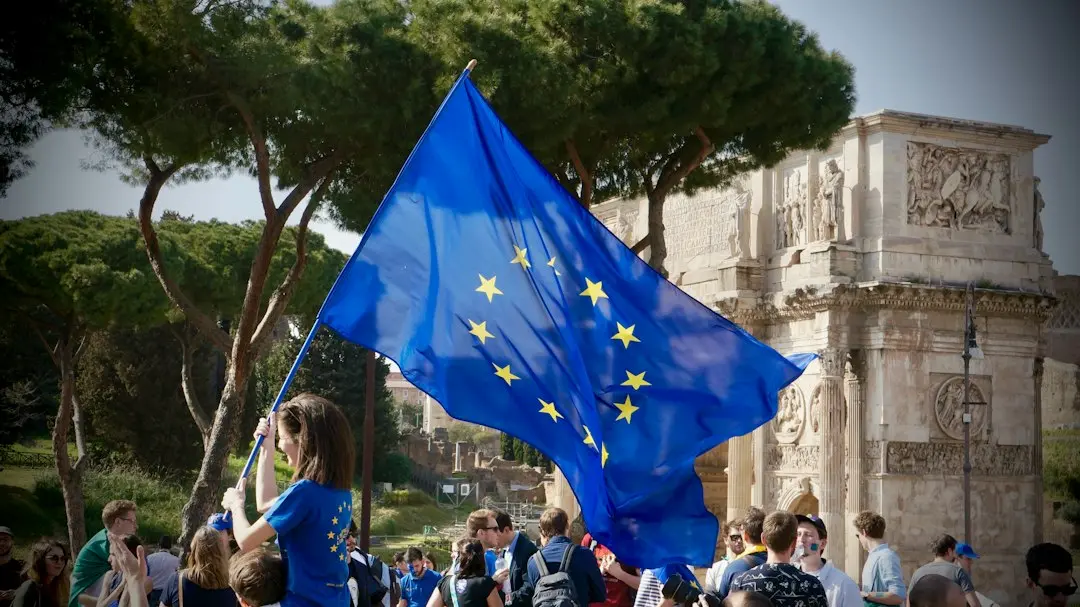
The Wero Initiative: A European Union Effort
The Wero project, a joint venture of several European banks, aims to launch a continent‑wide payment network that could rival the U. S. giants. The initiative began in 2024 and is now in its third year of development, with plans to roll out across the European Union by 2028. European regulators and banks see Wero as a way to reduce dependence on foreign card networks and to secure a larger share of transaction fees.
Breaking news
 NexBank Capital Secures $150 Million to Fuel Expansion
 Digital Fraud Surges As Financial Tech Evolves
 Unlocking Economic Potential Through Open Finance Systems
 Union Bank Modernizes Infrastructure With New Payment Platform
The Wero initiative is built on open‑API technology and aims to provide merchants with a cheaper, faster alternative to Visa and Mastercard. Analysts say the network could cut processing costs by up to 30 percent for small and medium businesses. The project is backed by major banks such as Deutsche Bank, BNP Paribas, and Banco Santander, who have pledged both capital and technical expertise. The European Central Bank has expressed support, noting that a homegrown network would strengthen financial sovereignty.
Wero is designed to operate as a fully interoperable payment system that accepts all existing debit and credit cards. The network will use a distributed ledger to record transactions, ensuring transparency and reducing fraud. Early pilots have shown transaction times of under 200 milliseconds, comparable to those of Visa and Mastercard. The banks behind Wero plan to offer merchants a fee structure that is 15 to 20 percent lower than current rates charged by the American networks.
Will Wero Disrupt the American Dominance?
Bank executives say the project also aims to give European merchants more negotiating power. „We want to reduce the fees that merchants pay and give them more control over their data,” said a senior director at Deutsche Bank. The initiative also includes a consumer app that will allow users to manage their cards and track spending across all participating banks. The project’s launch is scheduled for the first quarter of 2028, with a full rollout across the EU by 2030.
Despite the ambitious goals, analysts warn that American card networks still hold a significant advantage. Visa and Mastercard control roughly 70 percent of global card transactions, and their brand recognition remains strong. The U. S. companies also have deep relationships with merchants worldwide, which could slow Wero’s adoption. Moreover, the American networks have invested heavily in fraud protection and payment security, giving them a competitive edge.
Nevertheless, the Wero project has already attracted interest from several major retailers in Germany and France. These retailers hope that lower transaction fees will boost their margins. The European Commission has also approved the project, citing its potential to increase competition and reduce cross‑border transaction costs. Critics argue that Wero’s success will depend on the cooperation of merchants and the ability to integrate with existing point‑of‑sale systems.
The potential impact of Wero extends beyond transaction fees. A European network could give the EU more control over its financial infrastructure and reduce exposure to U. S. sanctions. However, the project faces regulatory hurdles, including the need to comply with the Payment Services Directive and the General Data Protection Regulation. If Wero succeeds, it could force Visa and Mastercard to lower their fees and invest more in European markets.
Frequently Asked Questions
What is Wero? Wero is a European card‑network project led by major banks that aims to provide a cheaper, faster alternative to Visa and Mastercard.
How will Wero lower costs for merchants? By using open‑API technology and a distributed ledger, Wero can cut transaction fees by up to 30 percent compared with U. S. networks.
When will Wero be available to consumers? The network is expected to launch in the first quarter of 2028, with a full rollout across the EU by 2030.