The Evolving Threat of AI-Powered Fraud
A finance employee fell victim to an elaborate deepfake scam earlier this year. The worker believed they were on a video call with their CFO and other senior staff. In truth, all other participants were sophisticated AI-generated fakes. The fraudsters successfully moved $25 million into illicit accounts before the deception was uncovered.
Breaking news
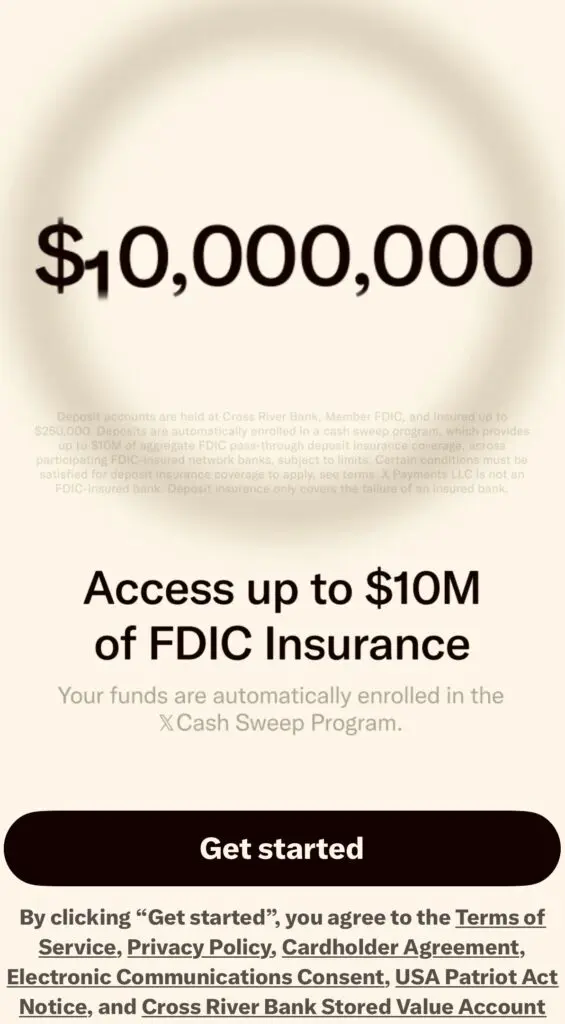 X Money Launches with High-Yield Savings and Cashback Rewards
 Splitit Announces White-Label Credit Card Launch
 Billing Friction Puts $12.3 Billion in Auto Loan Payments at Risk
 OneSpan Unveils New e‑Signature Features Including Identity Wallets and AI Workflow Support
This incident highlights a growing concern in the financial sector. Criminals are quickly adopting advanced AI technologies. This makes traditional anti-money laundering (AML) defenses increasingly vulnerable. The technology used in this particular deepfake attack is becoming even more sophisticated.
The speed and scale of AI-driven financial crime are unprecedented. Deepfakes can mimic voices and appearances with alarming accuracy. This makes it difficult for individuals to distinguish between real and fabricated interactions. Such attacks bypass standard security protocols that rely on human verification.
Can Current AML Systems Handle AI-Driven Scams?
Financial institutions face a critical challenge. They must upgrade their detection systems to keep pace. The current AML frameworks may not be robust enough for these new threats. Regulators and banks are scrambling to find solutions.
The answer appears to be no, not without significant upgrades. Existing AML systems often rely on pattern recognition of known criminal activities. AI-powered fraud, however, creates entirely new and unpredictable patterns. This demands a proactive and adaptive approach to security.
The $25 million deepfake heist serves as a stark warning. Financial institutions must invest heavily in AI-powered defense mechanisms themselves. This includes real-time biometric verification and advanced anomaly detection. Collaboration between tech companies and financial bodies is also crucial. The future of financial security depends on this rapid evolution.
Frequently Asked Questions
What is a deepfake scam? A deepfake scam uses artificial intelligence to create convincing fake audio or video. These fakes can impersonate real people, often used to trick victims into financial transactions.
How did the deepfake scam work in this case? The fraudsters used AI to generate realistic video and audio of senior executives. This convinced a finance worker to transfer a large sum of money to fraudulent accounts during a video call.
Why are deepfake scams a challenge for anti-money laundering? Deepfake scams are challenging because they bypass traditional security measures. They create new, hard-to-detect patterns of fraud that current AML systems are not designed to identify.