Building Sustainable Fintech Models
The fintech sector is evolving. A recent McKinsey & Company report, created with QED Investors, details this change. It finds the industry is now prioritizing sustainable growth over rapid, speculative expansion. This shift impacts companies worldwide and signals a maturing market.
Breaking news
 X Money Launches with High-Yield Savings and Cashback Rewards
 Splitit Announces White-Label Credit Card Launch
 Billing Friction Puts $12.3 Billion in Auto Loan Payments at Risk
 OneSpan Unveils New e‑Signature Features Including Identity Wallets and AI Workflow Support
For years, fintech experienced a surge in investment. This fueled innovation, but also created instability. Now, investors and companies alike are demanding clear paths to profitability. The report identifies four key trends driving this new era. These focus on building robust, scalable businesses capable of navigating complex regulations.
The first trend involves a move towards diversified revenue streams. Fintechs are no longer solely reliant on transaction fees. They are exploring subscription models, data analytics services, and embedded finance options. This reduces risk and creates more predictable income. The report highlights how successful companies are integrating multiple services.
Can Fintechs Truly Mature?
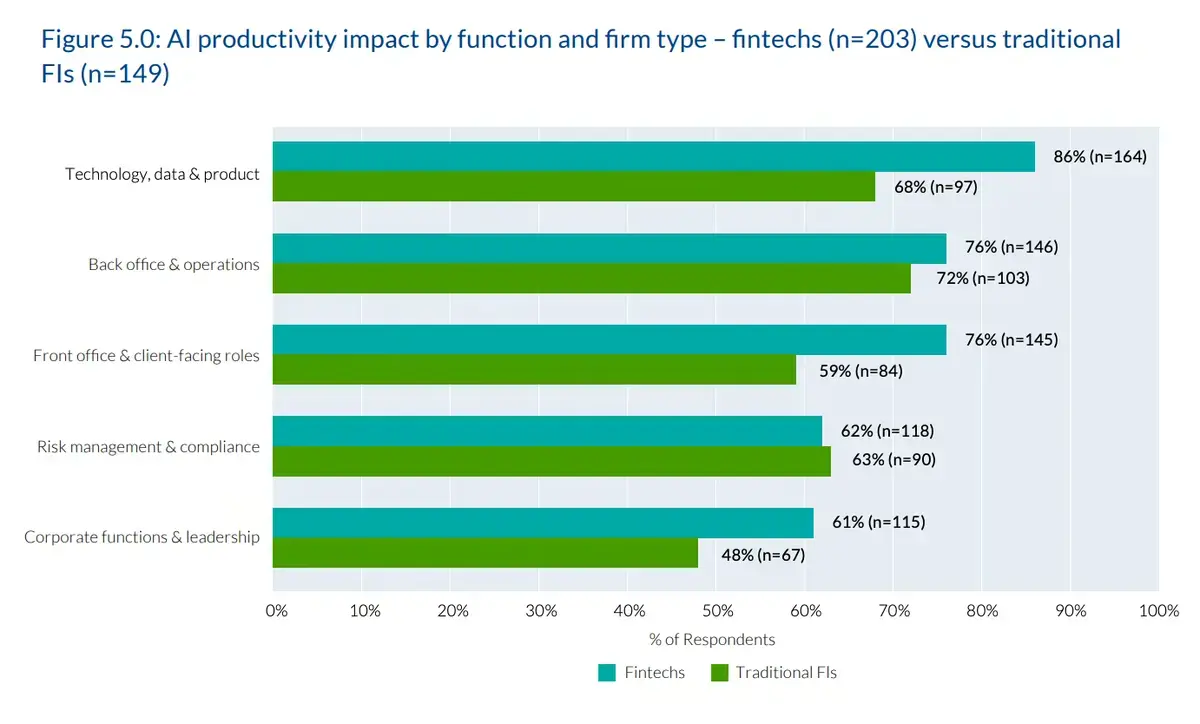
Another key development is a greater emphasis on operational efficiency. Fintechs are streamlining processes and leveraging automation. This lowers costs and improves customer experience. Mature companies are also investing heavily in risk management and compliance. They understand that regulatory scrutiny will only increase.
The report also points to the growing importance of partnerships. Fintechs are increasingly collaborating with established financial institutions. This allows them to access larger customer bases and benefit from existing infrastructure. Banks, in turn, gain access to innovative technologies and agile development processes. This symbiotic relationship is crucial for long-term success.
Finally, the report notes a growing focus on serving underserved markets. Fintechs are developing solutions tailored to the needs of individuals and businesses often overlooked by traditional banks. This includes providing access to credit, insurance, and financial literacy resources. It presents a significant opportunity for growth and social impact.
The consequences of this shift are significant. We can expect to see a consolidation of the fintech landscape. Companies with weak fundamentals will struggle to survive. Those that prioritize profitability, operational excellence, and strategic partnerships will thrive. The future of fintech isn’t about disruption for its own sake. It's about building sustainable, impactful businesses that deliver real value to customers.
Frequently Asked Questions
What defines this new ageof fintech? This era is characterized by a focus on building profitable, scalable businesses. It moves away from the previous emphasis on rapid growth at all costs. Regulatory compliance and operational maturity are also central.
How are fintechs diversifying their income? They are expanding beyond simple transaction fees. Fintechs now offer subscriptions, data services, and integrated financial solutions. This creates more stable and predictable revenue streams.
Are partnerships with banks important? Yes, collaboration is crucial. Fintechs gain access to established infrastructure and customers. Banks benefit from innovative technology and faster development.