
Reused Accounts Enable Rapid Scaling of Schemes
A new analysis by global cybersecurity firm Sis ID reveals that a single counterfeit bank account is being used to scam an average of 34 different companies. The research, compiled through October, shows the firm has intercepted more than 14,000 fraudulent transactions linked to these reused accounts, highlighting a rising challenge for corporate security teams.
Breaking news
 Visa and Samsung Launch QR Payments on Samsung Wallet in APAC
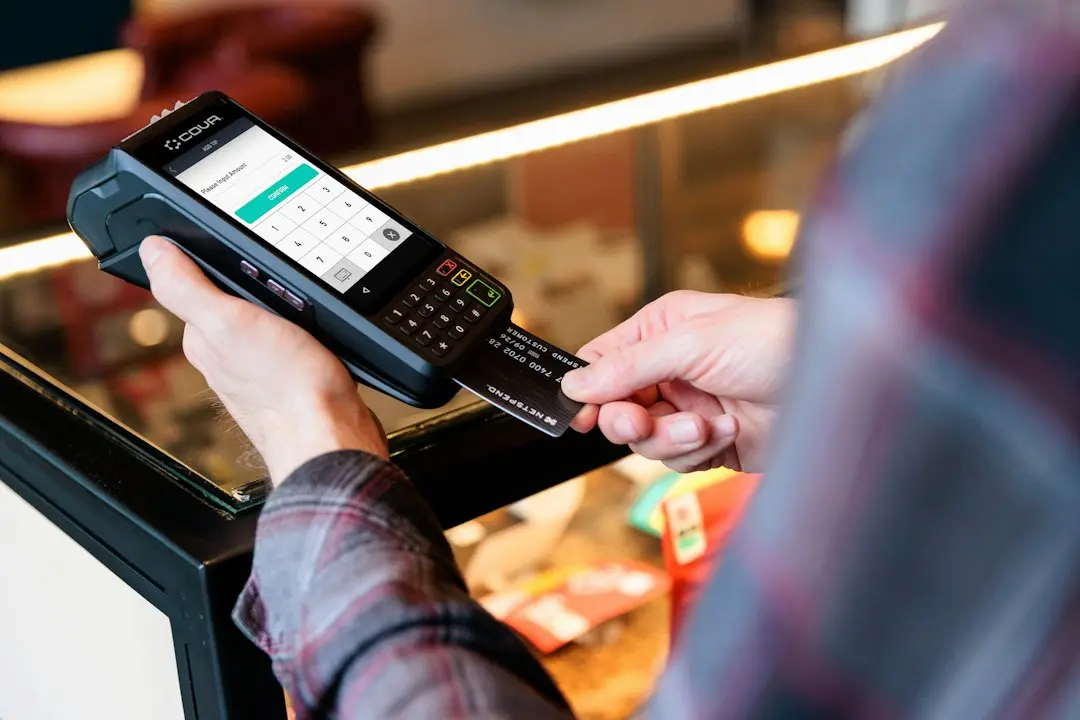 Mastercard Launches Phone-Based Payment Solution for Small Vendors
 Bangladesh Fintech Must Evolve Beyond Mobile Money
 How Wearable Health Monitors Are Redefining Elderly Safety and Independence
The data underscores how fraudsters are refining their tactics, moving away from one‑off scams toward coordinated campaigns that exploit the same financial details repeatedly. By reusing the same account numbers, criminals can test defenses across a wide range of targets, learning which sectors are most vulnerable and adjusting their approach in real time. Sis ID’s threat‑intelligence platform flagged the pattern after noticing clusters of alerts that traced back to identical account identifiers, prompting a deeper investigation into the underlying networks.
According to Sis ID, the average fraudulent account appears in 34 separate attacks before being shut down. This reuse allows scammers to amplify their reach without the need to create new credentials for each victim. „When a fake account proves effective, criminals simply copy‑paste it into new phishing emails, invoices, or payment requests,” said Maria Delgado, senior analyst at Sis ID. „The speed at which they can deploy the same account across dozens of firms makes detection far more difficult.”
Why Are Companies Struggling to Spot These Repeated Threats?
The firm’s monitoring tools identified a surge in such activity during the last quarter of the year, coinciding with heightened online purchasing and remote work arrangements. Many of the compromised accounts were linked to business‑to‑business (B2B) transactions, where payment approvals often rely on email confirmations rather than rigorous verification. The study found that sectors handling large invoices—such as manufacturing, logistics, and professional services—were disproportionately targeted.
Traditional fraud defenses often focus on flagging novel or anomalous activity, leaving repeated patterns under the radar. „Security teams are trained to look for red flags that deviate from the norm,” explained Delgado. „When the same account is used repeatedly, it can blend into the background noise, especially if the amounts vary or the invoices appear legitimate.” Moreover, many organizations lack centralized visibility into incoming payments, relying on disparate systems that fail to share intelligence about known fraudulent accounts.
Sis ID’s findings suggest that a more collaborative approach is needed. Sharing threat intelligence across industries could help flag reused accounts earlier, preventing them from being recycled. Some firms have already begun to adopt automated cross‑checking tools that compare incoming payment details against global blacklists, but adoption remains uneven.
The continued proliferation of reused fake accounts threatens to erode trust in electronic payments. As fraudsters refine their playbooks, businesses may face higher operational costs, reputational damage, and potential legal liabilities if compromised funds affect clients or partners. Experts warn that without coordinated industry action, the cycle of reuse will only accelerate.
Frequently Asked Questions
How does a fake bank account get created? Criminals typically generate counterfeit account numbers using publicly available banking formats, then pair them with forged documents or compromised credentials to make the accounts appear authentic.
What steps can companies take to detect reused fraudulent accounts? Implementing real‑time validation against shared blacklists, centralizing payment processing, and training staff to verify unusual requests can help spot repeated use of the same fraudulent details.
Will regulatory bodies intervene to curb this practice? Regulators are increasingly focusing on payment security standards, and some jurisdictions are considering mandatory reporting of known fraudulent accounts to help build collective defenses.