How Consumer FX Handles Currency Exchange
Sweden-based fintech giant Klarna has officially removed geographic barriers for its mobile application users. The company announced on Wednesday that its platform now supports international transactions across all twenty-six markets where it operates. This new feature allows customers to purchase goods from merchants worldwide while settling bills in their local currency. The move aims to simplify cross-border e-commerce by eliminating the need for separate financial accounts or complex exchange processes.
Breaking news
 Visa and Samsung Launch QR Payments on Samsung Wallet in APAC
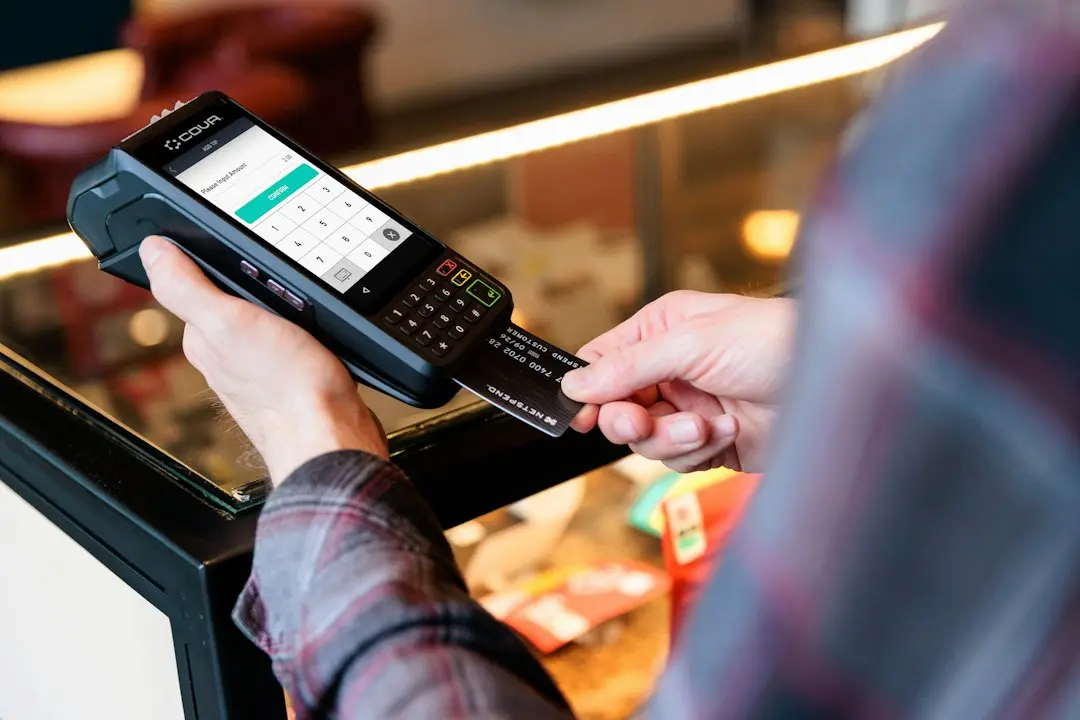 Mastercard Launches Phone-Based Payment Solution for Small Vendors
 Bangladesh Fintech Must Evolve Beyond Mobile Money
 How Wearable Health Monitors Are Redefining Elderly Safety and Independence
The new service, branded as Consumer FX, leverages Klarna’s existing infrastructure to handle multi-currency payments. Previously, international shoppers often faced friction when buying from foreign retailers. They had to manage different payment methods or accept unfavorable exchange rates. Klarna’s update integrates this functionality directly into the checkout experience. Users can now browse global inventories and pay seamlessly without leaving the app. This change positions Klarna as a unified digital wallet for international online shopping.
The core of this update lies in automatic currency conversion. When a user initiates a purchase, the system calculates the transaction value in the shopper’s home currency. Klarna then manages the exchange rate behind the scenes. This process removes the burden of manual currency selection from the consumer. The company states that this approach reduces drop-off rates during checkout. It also encourages higher spending volumes among international buyers. By standardizing the payment interface, Klarna hopes to increase merchant adoption rates globally. Merchants benefit from a broader customer base without needing to support multiple local payment gateways.
Why This Shift Matters for Retailers
The technology relies on real-time data feeds to ensure accurate pricing. Discrepancies between displayed prices and final charges are minimized through this method. Klarna emphasizes transparency in its fee structure. Customers see the total cost upfront before confirming the order. This clarity builds trust and reduces post-purchase disputes. The service is available immediately to all active app users in supported regions. No additional setup is required to access these cross-border capabilities.
This expansion significantly alters the competitive landscape for digital wallets. Traditional banks and payment processors have long struggled with cross-border fees. Klarna’s integrated model offers a streamlined alternative for both sides of the transaction. Retailers gain access to a larger pool of potential buyers. Consumers enjoy the convenience of a single account for global purchases. The strategy mirrors trends seen in other major fintech platforms. However, Klarna’s focus on buy-now-pay-later adds a unique layer of flexibility. Shoppers can defer payment even on international orders. This combination of deferred payment and easy currency handling creates a strong value proposition.
Industry analysts suggest that this move could pressure competitors to follow suit. Major banks may need to update their mobile banking interfaces to match this level of ease. The trend indicates a broader shift toward borderless digital commerce. As travel restrictions fade and global supply chains stabilize, demand for international online shopping continues to rise. Klarna is well-positioned to capture this growing market segment. Its presence in twenty-six countries provides a substantial network effect. More participants in the ecosystem lead to better rates and faster processing times.
Frequently Asked Questions
Does Consumer FX work in all twenty-six countries? Yes, the feature is available to app users in all markets where Klarna currently operates. Shoppers can buy from any participating merchant globally, provided the merchant accepts Klarna payments.
Are there extra fees for international purchases? Klarna handles the currency conversion automatically. While standard transaction fees may apply depending on the merchant, the currency exchange itself is integrated into the checkout process without hidden markup surprises.
Can I use this for non-ecommerce services? The primary focus is on e-commerce transactions. However, any merchant using Klarna’s payment gateway can potentially offer this cross-border capability to their customers.