
Shared Data as a Fraud Shield
The capital will expand a network allowing banks to exchange fraud intelligence. This happens before money leaves an account. The round was backed by investor Eileen Burbidge, according to DealRoom. Acorda plans to use the funds to onboard more banks and payment providers.
Breaking news
 Buyer Beware: Nvidia's Wild Swings Expose Single-Stock ETF Risks
 Money Carer adopts YEO facial recognition to secure vulnerable adults' finances
 Gen Z Heirs Are Abandoning Their Parents' Private Banks
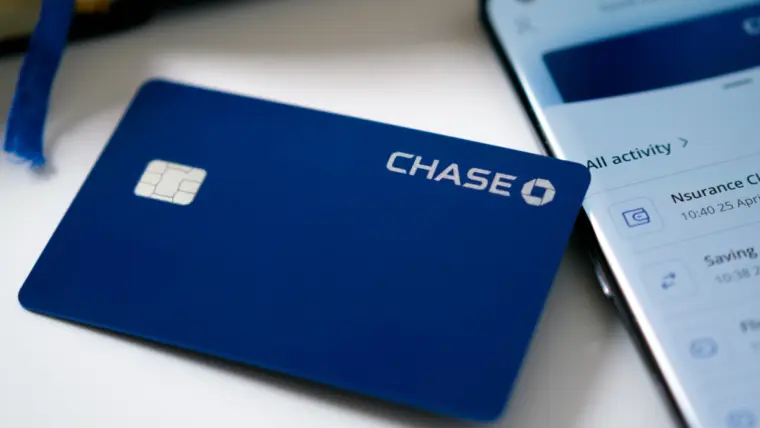 Chase Blocks Crypto Card Purchases
The core technology relies on real-time data sharing between financial institutions. When a suspicious transaction is flagged, the alert travels instantly across the network. This prevents funds from being drained before fraudsters can move them. The approach targets the specific weakness of modern banking apps. Scammers exploit delays in fraud detection. By sharing intelligence faster than traditional systems, Acorda seeks to close that gap.
Will This Model Scale Across the Industry?
The success of Acorda’s model depends on widespread adoption. Banks must agree to share sensitive transaction data. Privacy concerns remain a barrier. However, the £1.8 million investment signals strong confidence in the concept. If successful, the network effect could make isolated fraud rings harder to hide. The startup now faces the challenge of convincing major institutions to join the platform.
Who founded Acorda and what is their background? Three former Monzo employees launched the company. Their experience in digital banking informs the fraud detection system.
Frequently Asked Questions
What exactly does the shared data network do? It allows banks to swap scam intelligence in real time. This stops fraudulent payments before they clear.
How much funding did Acorda secure? The startup raised £1.8 million in pre-seed capital. The money will fund network expansion and bank onboarding.