Bridging the Financial Inclusion Gap
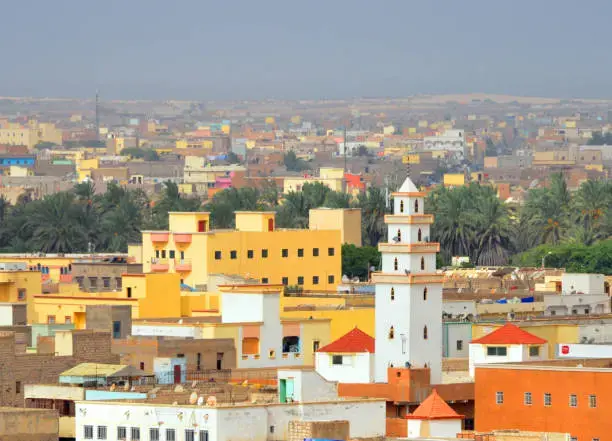
Mauritania’s financial technology (fintech) landscape is developing. This West African nation, largely desert and coastal, is slowly embracing digital finance. The current ecosystem remains small but shows potential for growth by 2026. It’s a shift from reliance on natural resources.
Breaking news
 X Money Launches with High-Yield Savings and Cashback Rewards
 Splitit Announces White-Label Credit Card Launch
 Billing Friction Puts $12.3 Billion in Auto Loan Payments at Risk
 OneSpan Unveils New e‑Signature Features Including Identity Wallets and AI Workflow Support
Historically, Mauritania’s economy centered on mining and fishing. Limited infrastructure and low financial inclusion hindered digital adoption. However, increasing mobile penetration and government initiatives are changing the situation. These factors are creating opportunities for fintech innovation. The nation’s geographic challenges—vast distances and a dispersed population—make digital solutions particularly valuable.
Financial inclusion is a major driver for fintech in Mauritania. A significant portion of the population remains unbanked. Mobile money services are emerging as a key tool. They offer access to financial services for those excluded from traditional banking. These services facilitate payments, remittances, and savings.
Will Regulation Accelerate or Restrict Growth?
Several startups are focusing on mobile-based solutions. They aim to reach remote communities. These companies often partner with telecom operators. This expands their reach and leverages existing infrastructure. The Central Bank of Mauritania is also playing a role. It’s developing regulatory frameworks to support fintech growth while ensuring stability.
Regulation is crucial for the Mauritanian fintech sector. Striking the right balance between fostering innovation and mitigating risks is essential. Overly strict regulations could stifle growth. Conversely, a lack of oversight could lead to instability and consumer protection issues.
The Central Bank recognizes this challenge. It is working on a tiered regulatory approach. This approach would cater to different types of fintech companies. It would also consider the level of risk associated with their activities. This allows for flexibility and encourages responsible innovation. Data privacy and cybersecurity are also key concerns. The government is investing in infrastructure to address these issues.
The future of fintech in Mauritania looks promising. Continued investment in infrastructure, supportive regulations, and a growing awareness of digital finance will be vital. Increased financial inclusion will empower citizens and boost economic development. The country’s unique challenges also present opportunities for innovative solutions tailored to its specific needs.
Frequently Asked Questions
What is the biggest hurdle for fintech in Mauritania? Limited infrastructure and low levels of financial literacy pose significant challenges. Expanding internet access and educating the population about digital finance are critical steps. This will enable wider adoption of fintech solutions.
How is mobile money impacting Mauritania? Mobile money is rapidly expanding financial access. It’s particularly beneficial for those in remote areas without traditional banking services. This allows them to participate more fully in the economy.
What role does the government play in fintech development? The government is actively involved in creating a supportive environment. This includes developing regulations and investing in infrastructure. They aim to promote innovation and financial inclusion.