Who Stands to Benefit from the PACE Act?
The PACE Act targets various players in the financial ecosystem. Fintechs and crypto firms have long been advocating for more access to payment systems, arguing that it would enhance efficiency and lower fees. With the ability to interact directly with the Federal Reserve, these companies could streamline payment processes, making them faster and more affordable for users.
Breaking news
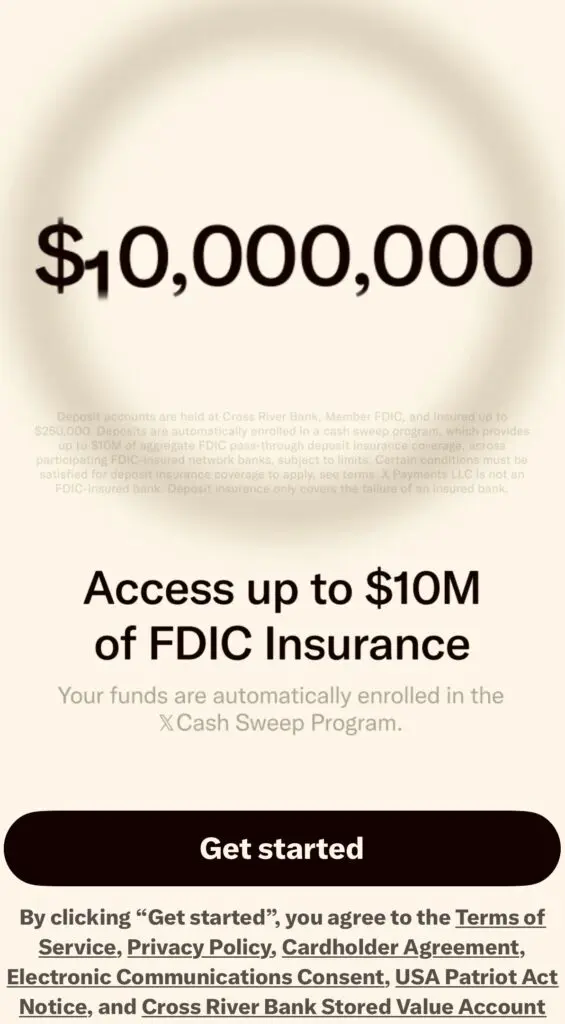 X Money Launches with High-Yield Savings and Cashback Rewards
 Splitit Announces White-Label Credit Card Launch
 Billing Friction Puts $12.3 Billion in Auto Loan Payments at Risk
 OneSpan Unveils New e‑Signature Features Including Identity Wallets and AI Workflow Support
Will the PACE Act Complicate or Simplify Payment Systems?
Supporters of the bill believe it will democratize financial services, providing underserved communities with better access to banking and payment options. This shift could lead to a more inclusive financial landscape, where consumers have a wider range of choices for managing their money.
Critics of the PACE Act express concerns about potential risks. They argue that allowing nonbanks to access the Federal Reserve’s systems might introduce new vulnerabilities. The existing regulatory framework may not be equipped to handle the unique challenges posed by fintech and crypto firms.
Proponents counter that increased access could enhance security by diversifying the payment ecosystem. They point to the potential for innovative technologies to improve fraud detection and customer protection measures. As the bill moves through Congress, the debate over its implications will likely intensify.
In conclusion, if the PACE Act is enacted, it could significantly alter how money moves in the U. S. By opening the Federal Reserve's payment systems to nonbanks, the legislation promises to lower costs and increase competition. However, the potential risks must be carefully considered as the financial landscape evolves.
Frequently Asked Questions
What is the PACE Act? The Payments Access and Consumer Efficiency (PACE) Act is a proposed bill that would allow fintech and crypto firms direct access to the Federal Reserve’s payment systems.
How could this impact consumers? If passed, the PACE Act could lower transaction costs and expand payment options for consumers, leading to more efficient and affordable financial services.
What concerns do critics have about the PACE Act? Critics worry that allowing nonbanks access to the Fed’s systems could create new risks and vulnerabilities in the financial system, necessitating careful regulatory oversight.