Expanding Opportunities for Nonbank Providers
The PACE Act represents a significant shift in how payment systems operate. Nonbank providers, such as FinTech companies, have been pushing for more access to the Federal Reserve's payment networks. Currently, these companies often rely on banks to process transactions, which can lead to delays and higher costs for consumers. By allowing direct access, the PACE Act aims to streamline transactions and reduce fees.
Breaking news
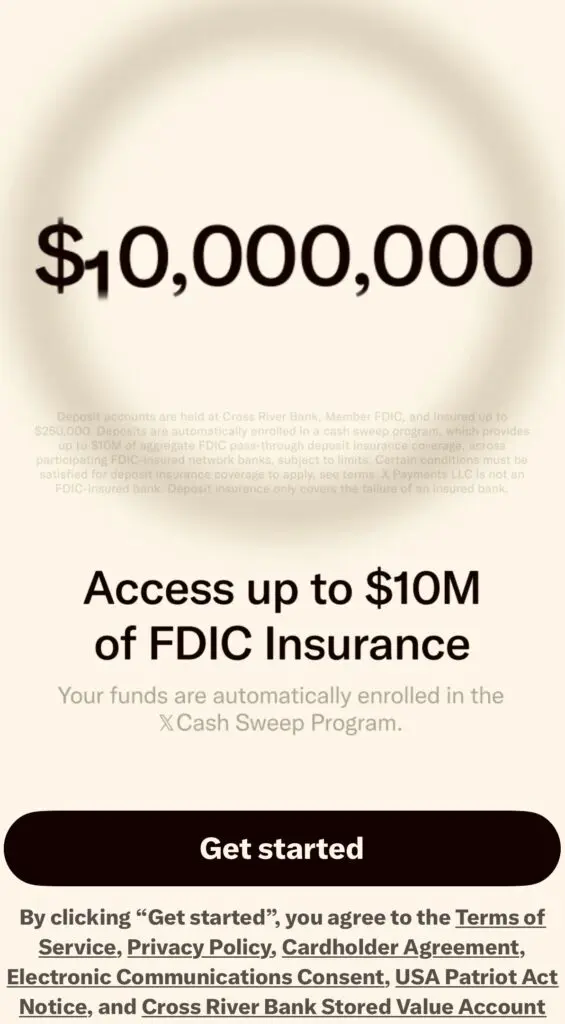 X Money Launches with High-Yield Savings and Cashback Rewards
 Splitit Announces White-Label Credit Card Launch
 Billing Friction Puts $12.3 Billion in Auto Loan Payments at Risk
 OneSpan Unveils New e‑Signature Features Including Identity Wallets and AI Workflow Support
Will This Change Benefit Consumers?
Supporters of the legislation believe it will foster a more inclusive financial environment. „This is about leveling the playing field,”said a key sponsor of the bill. „We want to ensure that innovation in payments is not stifled by outdated regulations.”The bill has garnered bipartisan support, indicating a growing recognition of the importance of FinTech in modern finance.
The implications of the PACE Act extend beyond just FinTech companies. Consumers could see improved services and lower costs as competition increases. With more options available, customers may benefit from faster transactions and innovative financial products tailored to their needs.
However, some critics warn about potential risks. They argue that expanding access to nonbank providers could lead to regulatory challenges and consumer protection issues. Ensuring that these new players adhere to strict standards will be crucial in maintaining the integrity of the payment system.
In conclusion, the PACE Act has the potential to transform the U. S. payments landscape. By granting nonbank providers direct access to the Federal Reserve's systems, the legislation could enhance competition and innovation. However, careful oversight will be necessary to protect consumers and maintain a stable financial environment.
Frequently Asked Questions
What is the PACE Act? The Payments Access and Consumer Efficiency Act aims to create a federal pathway for nonbank providers to access the Federal Reserve's payment systems directly.
How will this affect consumers? Consumers may benefit from faster transactions and lower costs due to increased competition among financial service providers.
Are there any concerns with this legislation? Yes, some critics worry about potential risks related to consumer protection and regulatory challenges as more nonbank providers enter the market.