
How AI Is Enhancing the Signing Journey
OneSpan, a leader in digital transaction security, announced today an expanded suite of tools for its electronic signature platform. The update adds document validation, biometric identity checks, and AI‑driven workflow assistance, all aimed at strengthening digital agreements across industries. The company rolled out the enhancements at its annual developer conference in San Francisco, where executives highlighted the growing demand for secure, automated signing processes.
Breaking news
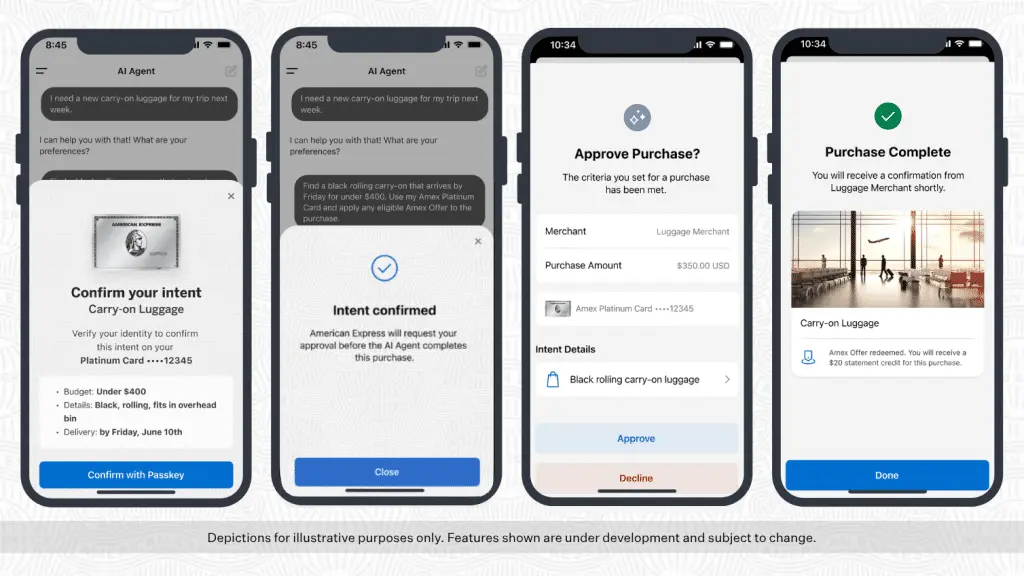 American Express Launches Framework for Trusted Agentic Commerce
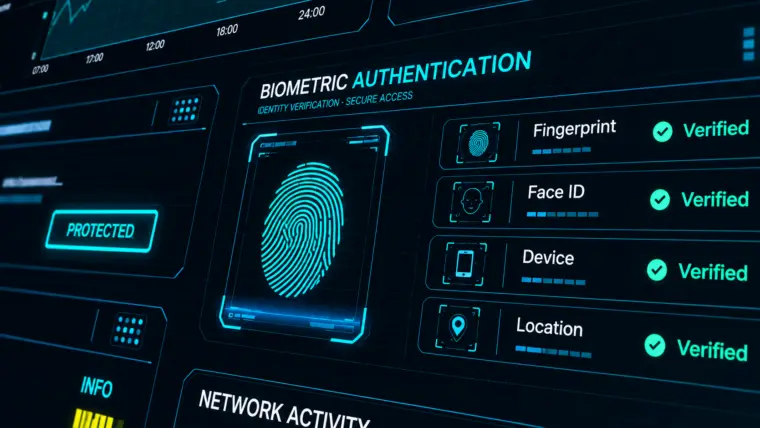 Top 5 Self‑Sovereign Identity Protocols for Decentralized Onboarding
 Tap Global Appoints Moorwand to Issue New Multi-Currency Mastercard
 OakNorth Launches Junior Cash ISA with Competitive 3.5% Rate
The new capabilities build upon OneSpan’s existing biometric verification, which uses facial recognition and liveness detection to confirm signers’ identities. The added document validation feature automatically scans contracts for missing clauses, incorrect dates, or inconsistent parties, flagging issues before signatures are captured. Meanwhile, the identity wallet component lets users store verified digital identities—such as government IDs or corporate credentials—within a secure, encrypted vault. Signers can then retrieve and present these credentials on demand, reducing the need for repetitive verification steps.
„Businesses need a single, trustworthy source for identity and document integrity,” said Sarah Martinez, OneSpan’s Chief Product Officer. „By integrating biometric checks, AI‑based validation, and a digital wallet, we’re giving organizations a comprehensive toolkit that speeds up agreements while tightening security.”
Can Digital Wallets Replace Traditional ID Verification?
OneSpan’s AI agents analyze signing patterns and document content in real time. When a user begins a signature session, the system cross‑checks the document against a database of known fraud templates and highlights anomalies. If the AI detects a potential red flag—such as a clause that diverges from standard language—it prompts the signer to review the section before proceeding. This proactive approach aims to reduce costly post‑signature disputes.
The AI also streamlines the onboarding of new signers. By learning typical signature styles and document preferences, the system can suggest the most efficient workflow for each user. For example, a high‑volume vendor might receive a pre‑filled form that auto‑populates known information, cutting down manual entry time. According to OneSpan, early adopters have reported a 30% reduction in average signing time.
OneSpan’s identity wallet is designed to serve as a digital alternative to paper IDs and manual verification. Users upload a scan of their passport or driver’s license, which the system then verifies through a combination of OCR, biometric matching, and third‑party data feeds. Once verified, the credential is stored in a tamper‑proof vault. When a user needs to sign a new document, they can simply select the appropriate credential from the wallet, and the system auto‑fills the required fields.
What This Means for the Future of Digital Agreements
While the technology promises convenience, experts caution that regulatory acceptance varies by region. In the European Union, the eIDAS framework already supports electronic identification, but not all member states have fully embraced digital wallets. „Compliance is key,” noted legal analyst Daniel Wu. „Organizations must ensure their digital identity solutions meet local data protection and authentication standards.”
The rollout includes a pilot program with several Fortune 500 companies, giving them early access to the wallet and AI features. Feedback from the pilot will shape future iterations, particularly around user experience and integration with existing enterprise resource planning systems.
By combining biometric verification, AI validation, and a secure identity wallet, OneSpan is positioning itself at the forefront of the evolving digital agreement landscape. The company’s enhancements address two critical pain points: the need for robust identity proofing and the desire for faster, error‑free signing processes. As remote work and cross‑border transactions continue to rise, such tools could become standard in compliance and operational workflows.
Industry observers predict that the integration of AI and digital identity will drive broader adoption of e‑signature platforms, especially in regulated sectors like finance, healthcare, and real estate. OneSpan’s latest release may set a new benchmark for security and efficiency, prompting competitors to accelerate their own innovations.
Frequently Asked Questions
How does the identity wallet protect user data? The wallet encrypts credentials at rest and in transit, using industry‑standard protocols. Access is restricted to authenticated users, and audit logs track all retrievals.
Can the AI validation flag every type of contract error? The AI is trained on a wide range of contract templates, but it may miss niche or highly customized clauses. Users should still perform a final manual review.
Is the new platform compatible with existing e‑signature solutions? Yes. OneSpan’s APIs allow seamless integration with popular document management systems, ensuring that the added features can be layered onto current workflows without major disruptions.



