
One Code, Many Apps
Singapore is preparing a major upgrade to PayNow, the national real-time payment system. The change would allow residents and tourists to scan any SGQR+ code using a payment app they already use. Deputy Prime Minister Gan Kim Yong announced this plan at the Singapore Fintech Festival on 18 November. The move aims to break down barriers between different payment providers.
Breaking news
 Buyer Beware: Nvidia's Wild Swings Expose Single-Stock ETF Risks
 Money Carer adopts YEO facial recognition to secure vulnerable adults' finances
 Gen Z Heirs Are Abandoning Their Parents' Private Banks
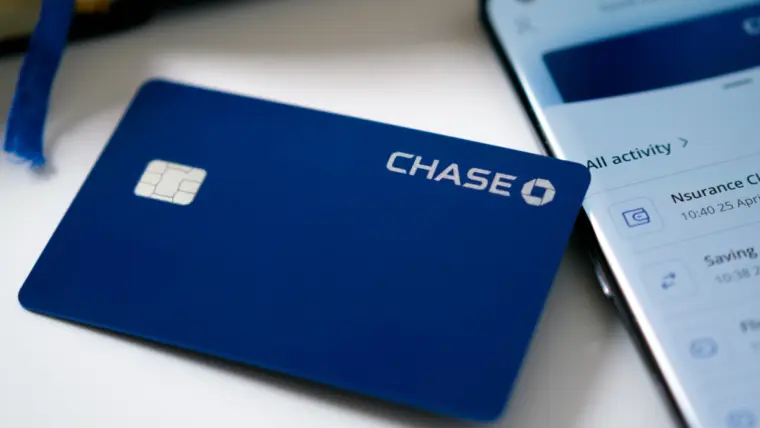 Chase Blocks Crypto Card Purchases
Currently, users often need specific apps to scan certain QR codes. The new standard, SGQR+, is designed to be interoperable. This means one QR code format works across multiple platforms. It simplifies the payment experience for everyday transactions.
Will This Change How We Pay?
The SGQR+ standard removes the need for separate apps for each merchant or service. A user can open any supported payment application and scan the code. This reduces friction at the point of sale. Merchants benefit from a single QR code display. They no longer need to print multiple codes for different apps. The system relies on a common protocol that all participating apps must support.
Yes, it streamlines the process significantly. Shoppers will not need to switch apps or download new ones. Tourists can use their home country's banking apps if supported. This lowers the barrier for visitors to make local payments. The upgrade positions Singapore as a leader in open payment infrastructure. It encourages competition among app providers while maintaining a unified user experience.
What is SGQR+? SGQR+ is a new QR code standard that allows multiple payment apps to interoperate. It replaces the need for app-specific codes.
Frequently Asked Questions
Who can use the new system? Both Singapore residents and tourists can use it. Any supported payment app can scan the SGQR+ code.
When does this take effect? The plan was outlined on 18 November. A full rollout timeline was not specified in the announcement.