
Moving Beyond Traditional Credit Scoring
Alex Marsh, CEO of the UK-based lender Salad, is spearheading a shift away from traditional credit scoring models. Operating as the nation’s largest Community Development Finance Institution, the firm targets the more than 20 million British consumers currently classified as underserved or high-risk by mainstream banking institutions that rely on outdated metrics.
Breaking news
 Europe’s Fintech Independence Push Faces Severe Reality Check
 Mastercard Broadens Exclusive Dining Network Across Asia Pacific
 Junior Savings Accounts Now Feature a Competitive 4.5 Percent Annual Interest Rate
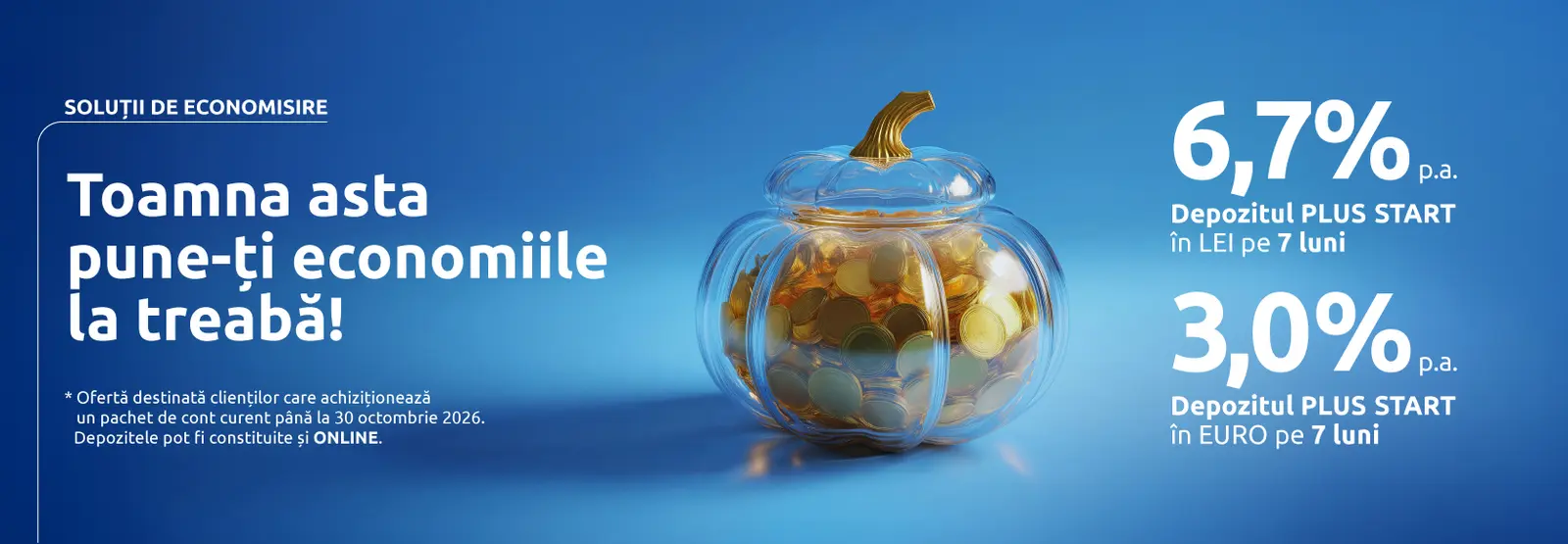 Exim Banca Romaneasca Boosts Interest Rates on PLUS Savings Accounts
The company utilizes Open Banking technology to analyze actual transaction data instead of relying on static credit history. By examining real-time cash flow and spending habits, Salad provides a more accurate picture of a borrower’s financial health. This approach allows the lender to offer credit to individuals who would otherwise be rejected by conventional banks.
Mainstream lenders often penalize consumers for minor historical errors or a lack of extensive credit history. Marsh argues that these legacy systems fail to capture the nuanced financial reality of millions of people. By shifting the focus to current income and expenditure patterns, the firm creates a more inclusive lending landscape.
Can Open Banking Solve Financial Exclusion?
This data-driven strategy enables the company to assess risk with greater precision. It identifies creditworthy individuals who are currently trapped outside the traditional financial system. The model prioritizes current financial behavior over past mistakes, ensuring that lending decisions reflect a borrower's present-day capacity to manage debt effectively.
The integration of Open Banking represents a significant evolution in consumer finance. By leveraging secure, direct access to bank account information, lenders can bypass the limitations of traditional credit bureaus. This technology provides a transparent view of a customer's financial situation, reducing the reliance on biased or incomplete scoring algorithms.
As the industry continues to evolve, the success of this model could force broader changes in the banking sector. If more institutions adopt similar data-centric approaches, the barrier to entry for credit could drop significantly. This shift promises a future where financial services are accessible based on actual capability rather than historical labels.
Frequently Asked Questions
What is the primary difference between Salad and traditional banks? Salad uses Open Banking transaction data to evaluate borrowers instead of relying on traditional credit scores. This allows them to serve individuals who are often rejected by mainstream lenders.
How does Open Banking improve the lending process? It provides lenders with a real-time view of a borrower's income and spending habits. This data offers a more accurate assessment of financial health than historical credit reports.
Who does this lending model aim to help? The company focuses on the 20 million UK consumers currently labeled as underserved or too risky for mainstream credit. These individuals often struggle to access fair financial products due to gaps in their credit history.



