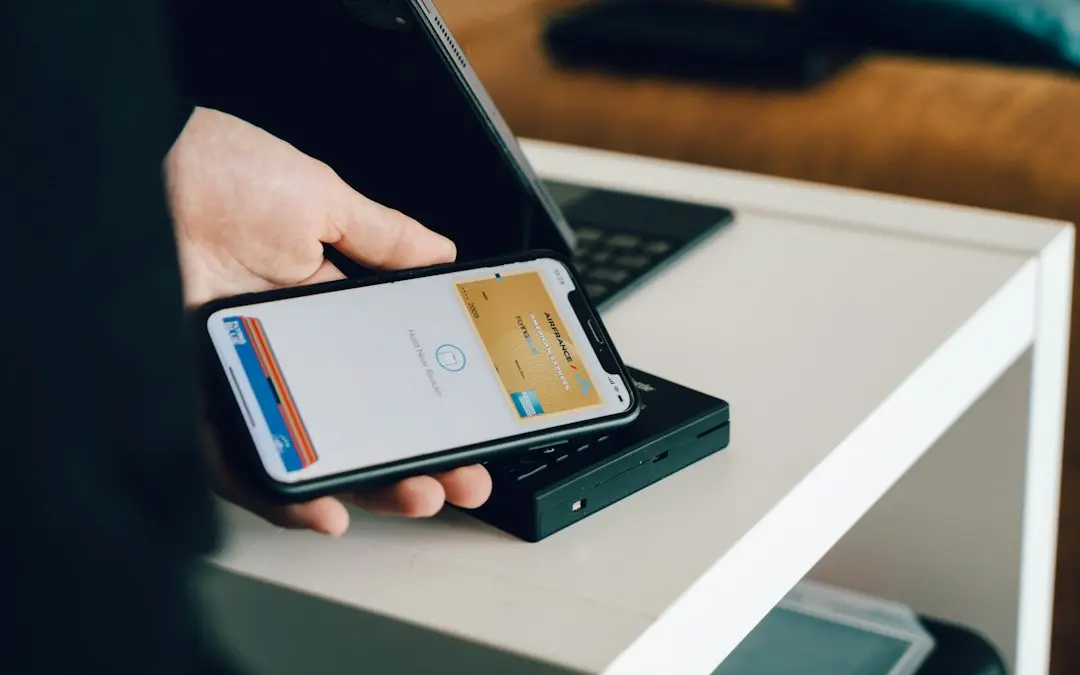
Increased Complexity of Digital Wallet Security
Digital wallet security faces exponential complexity. This demands a deep reevaluation of protection practices. Consumers enjoy easy e-commerce transactions. This fluidity brings increasingly severe security risks. Centralized payment methods create new weak points, especially during card reissuance. A major threat comes from advanced malware like infostealer software. Once installed, this malware secretly gathers sensitive data. This includes passwords, browser cookies, and payment details.
Breaking news
 Italy Moves Ahead With Digital Euro Infrastructure
 A Week of Digital Instability Highlights Fragile Infrastructure
 Adyen integrates Klarna into its agentic commerce payment suite
 Risk, Friction, and Fraud: When Should You Trust, Verify, or Intervene?
Advanced Threats and Expert Analysis
Tracy Goldberg, Director of Cyber Security at Javelin Strategy & Research, noted this in the report „Card Account Updaters and Digital Wallets: The Hidden Cyber Advantage for Crime.”Goldberg highlighted that infostealing combined with emerging encryption-breaking technologies is a major digital wallet danger. Financial institutions must adopt new consumer defense strategies. This may require abandoning long-standing security methods.
Traditional Authentication Weaknesses
Traditional authentication is also a concern. Users rely heavily on usernames, passwords, and password managers. Infostealers can capture this data. They can also take screenshots of user browsing activity. Collected data includes auto-fill details, PII, and card update service information.
The Convenience vs. Security Trade-off
Account update services help keep payment credentials current. This prevents false declines for recurring payments. Yet, this convenience involves a security compromise. Sharing updated credentials and personal data increases digital payment exposure.
Card Replacement Limitations
Goldberg stated, If you have a card saved in that wallet and fraudulent transactions occur, notify the issuing bank, and it will reissue the card. She added, The card usually updates digitally automatically, letting you have the new card in all digital wallets before receiving the physical one. However, she warned, Even with secure wallet access, if the wallet is compromised by an infostealer , criminals gain access to the new card. Expanding Digital Footprints The situation is further complicated by larger digital footprints. Users manage multiple mobile and digital wallets. They also hold numerous payment cards. This creates more potential exposure points for infostealers . This growing threat urges issuers to review authentication and security approaches.
Beyond Simple Remediation
Goldberg stressed, We must treat card replacement only as part of remediation. She insisted, Card reissuance alone will not eliminate the infostealer , the device infection, or repair a compromised wallet. A unique verification method for every transaction is essential.
Multifactorial Solutions
A multi-faceted approach is necessary. Reduce reliance on auto-fill. Require user authentication for every wallet access. Some institutions use hardware authentication keys. These physical tokens add a protective layer. Institutions should phase out password-based authentication. Regular re-authentication is needed.
Holistic Transaction Verification
Goldberg advised, „Continuously re-evaluate devices, sessions, and transactions.”She specified, „The issuing institution should combine device health, malware exposure, session age, behavioral analysis, internet protocols, and intelligence.”This determines if a transaction is from a previously recognized session. A browsing session must be challenged and compared against the initiating device or behavioral context to verify user authenticity.