
Will This Stop the „Pay‑and‑Chase” Cycle?
The U. S. Treasury Department announced on October 8, 2026 that it will use additional data streams to monitor financial transactions. The move aims to curb fraudulent schemes that exploit the „pay and chase” cycle, where criminals receive funds and then demand further payments from victims. The initiative expands the department’s existing fraud‑prevention framework nationwide.
Breaking news
 Junior Savings Accounts Now Feature a Competitive 4.5 Percent Annual Interest Rate
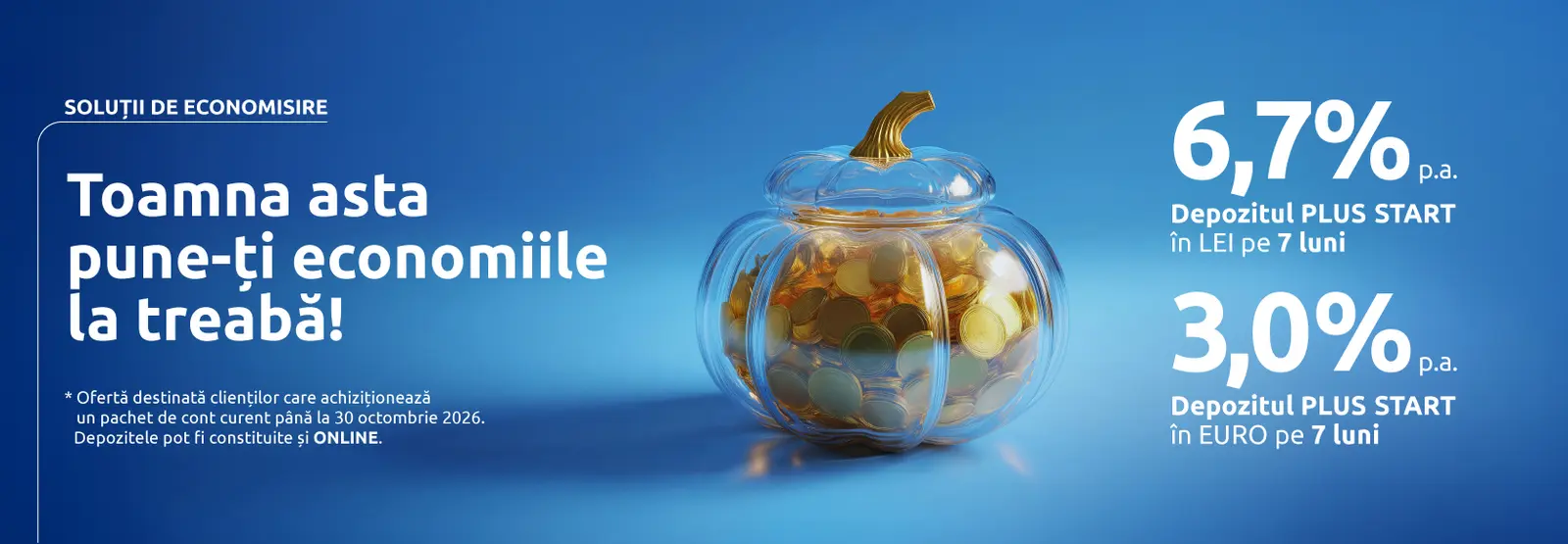 Exim Banca Romaneasca Boosts Interest Rates on PLUS Savings Accounts
 Caribbean Region Launches Instant Local Currency Payment Trials
 Bridging the Financial Inclusion Gap for Disabled UK Consumers
The Treasury’s new strategy integrates information from credit‑reporting agencies, consumer protection databases, and real‑time transaction monitoring systems. By cross‑checking these sources, the agency can identify suspicious patterns more quickly and flag accounts that exhibit red‑flag behavior. Treasury officials say the approach will reduce the time it takes to detect and stop fraud, protecting both consumers and the integrity of the payment system.
Treasury officials explained that the added data layers will focus on high‑risk sectors such as online retail, gig‑economy platforms, and cross‑border remittances. The department will partner with private firms that specialize in behavioral analytics to spot anomalies that traditional methods miss. „We’re no longer looking at a single transaction in isolation,” said a Treasury spokesperson. „We’re building a broader picture of each payer’s history and context.”
The new system will also leverage machine‑learning models trained on historical fraud cases. These models can flag accounts that deviate from normal spending patterns, even if the amounts are relatively small. Early pilots in the consumer‑goods market have shown a 15% drop in confirmed fraud incidents within the first six months of deployment.
The „pay and chase” model has long been a staple for fraudsters, who trick victims into sending money and then demand more for „processing” or „delivery.” By adding more data points, Treasury hopes to catch these schemes before the second payment is requested. Analysts predict that the new oversight could cut the average fraud cycle time from weeks to days.
Frequently Asked Questions
Critics argue that increased surveillance may burden legitimate businesses with additional compliance costs. Treasury officials counter that the new tools are designed to be automated, reducing manual review time. They also note that the system will provide clear guidance to merchants on how to comply without stifling innovation.
The Treasury’s initiative comes amid growing concerns over digital payment fraud, which surged by 25% last year. The department’s enhanced data strategy is expected to strengthen consumer confidence and support the broader goal of a secure, resilient payment infrastructure.
What types of data will the Treasury use? The department will tap into credit‑reporting agencies, consumer protection databases, and real‑time transaction monitoring systems to build a comprehensive view of each account.
Will this affect everyday consumers? No. The changes are aimed at high‑risk sectors and fraud prevention. Consumers should see no change in how they use their cards or digital wallets.
How will businesses adapt? Treasury plans to provide automated tools and clear compliance guidelines, minimizing the burden on merchants while enhancing fraud detection.



