
How the Partnership Works in Practice
XTransfer and Standard Chartered have joined forces to streamline international money transfers for businesses. The collaboration was unveiled at the Singapore Fintech Festival in 2026. The move targets companies needing to send and receive funds across multiple currencies.
Breaking news
 Buyer Beware: Nvidia's Wild Swings Expose Single-Stock ETF Risks
 Money Carer adopts YEO facial recognition to secure vulnerable adults' finances
 Gen Z Heirs Are Abandoning Their Parents' Private Banks
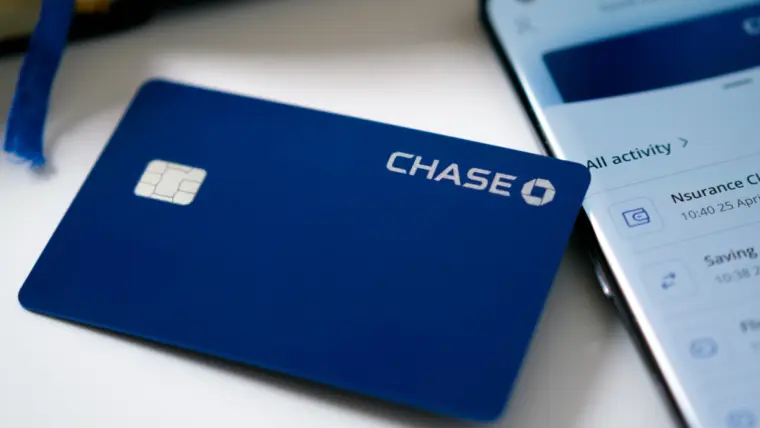 Chase Blocks Crypto Card Purchases
The partnership leverages Standard Chartered's extensive banking network. XTransfer provides the digital interface for merchants. This combination aims to reduce the high fees typically associated with cross-border transactions.
XTransfer handles the user-facing platform. Standard Chartered supplies the underlying banking rails. Businesses can now process payments in various currencies through a single integrated system. The setup eliminates the need to juggle multiple bank accounts in different countries.
Why This Matters for Global Commerce
The system supports real-time settlement. Funds move directly between accounts without lengthy clearing delays. This reduces the risk of currency fluctuation during transfer windows.
Cross-border payments have historically been slow and expensive. Small and medium-sized enterprises often face hidden charges. The new service targets these pain points directly.
By combining XTransfer's tech with Standard Chartered's reach, the service scales globally. Companies in Asia, Europe, and the Americas can access the same infrastructure. This level of coverage was previously limited to large corporations.
Frequently Asked Questions
Will this service be available immediately? The platform is launching alongside the announcement. Early access is rolling out to select business clients first.
Does this replace traditional bank accounts? No. It complements existing banking relationships. It adds a faster, cheaper channel for international transfers.
Who benefits most from this partnership? Exporters, importers, and e-commerce sellers dealing with multiple currencies gain the most. They avoid the high costs of traditional wire transfers.