
New Digital Wallets Mandated Across Europe
The European Union is preparing for a major digital identity overhaul. A new regulation, eIDAS 2.0, is moving from a concept to a firm deadline. By December 2026, all EU member states must offer a certified digital identity wallet.
Breaking news
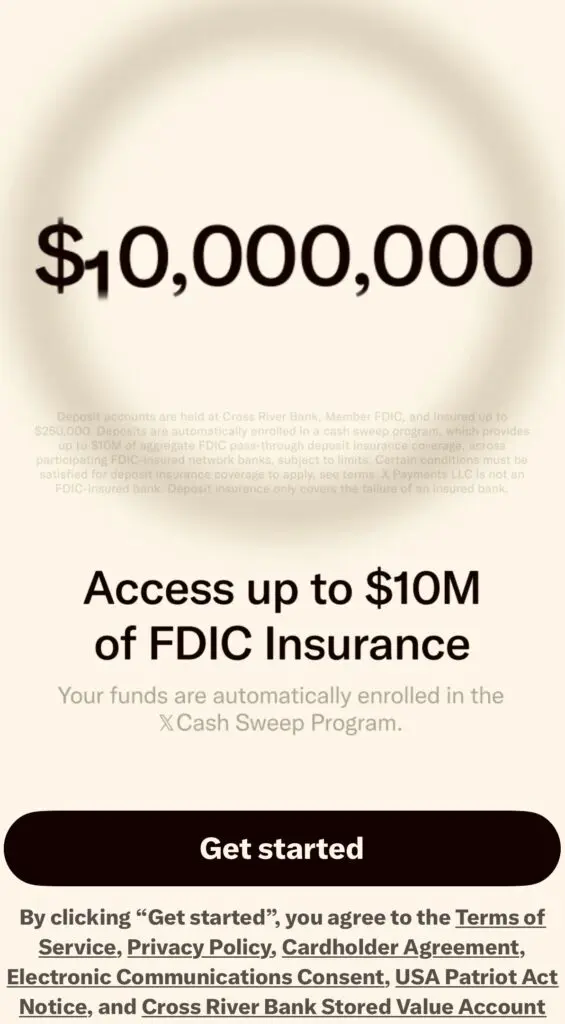 X Money Launches with High-Yield Savings and Cashback Rewards
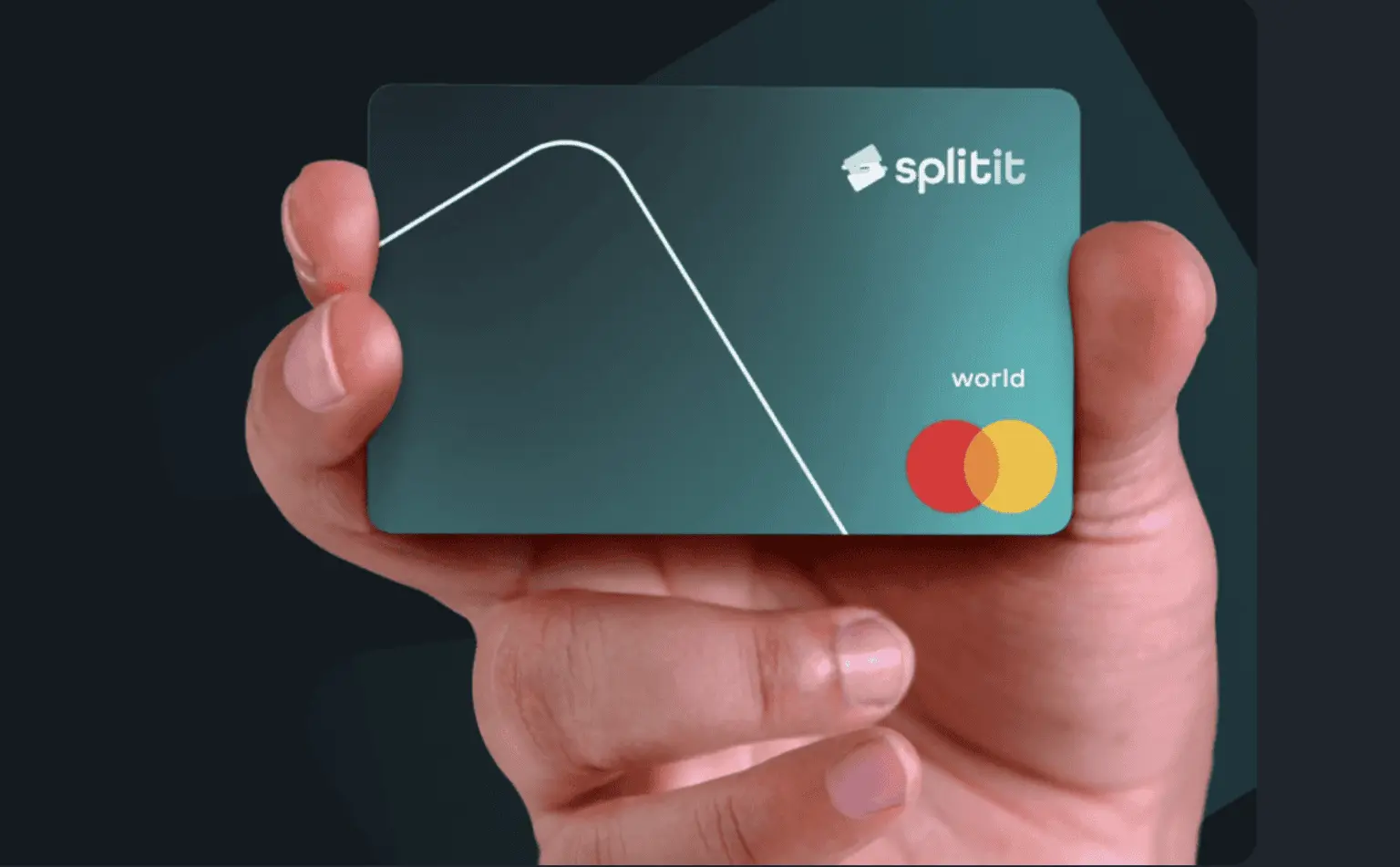 Splitit Announces White-Label Credit Card Launch
 Billing Friction Puts $12.3 Billion in Auto Loan Payments at Risk
 OneSpan Unveils New e‑Signature Features Including Identity Wallets and AI Workflow Support
This initiative aims to streamline online interactions and enhance security across the bloc. It will impact various organizations and service providers. The full implementation will unfold over the next few years.
Every EU country must provide at least one certified EU Digital Identity (EUDI) Wallet. This requirement takes effect by the end of 2026. These wallets will allow citizens to prove their identity and share digital documents securely. The goal is to create a unified and trustworthy digital identity system. This system will simplify online transactions for both individuals and businesses.
What Does This Mean for Businesses and Citizens?
After the initial rollout, many organizations will face new obligations. Roughly twelve months after the first wallets are available, a wide range of entities will be affected. These include large online platforms and public service providers. They will need to integrate the EUDI Wallet into their services. This integration will ensure seamless identity verification and data exchange.
Businesses, particularly those operating online, will need to adapt. They must prepare to accept the EUDI Wallet for identity verification. This could involve updating their systems and processes. The regulation aims to reduce fraud and improve user experience. Citizens will gain more control over their personal data. They can choose what information to share and with whom.
The staggered deadlines mean different groups have varying timelines. Qualified Trust Service Providers (QTSPs) and relying parties face distinct schedules. QTSPs are crucial for issuing and managing digital certificates. Relying parties are the organizations that depend on these digital identities. Both groups must ensure compliance within their respective timeframes.
The eIDAS 2.0 framework represents a significant step towards a more integrated digital single market. It promises enhanced security, privacy, and convenience for all users. The coming years will see a rapid transformation in how digital identities are managed and used across the EU.
Frequently Asked Questions
What is the main goal of eIDAS 2.0? The primary goal is to establish a secure and interoperable framework for digital identities across the European Union. It aims to simplify online interactions and enhance trust in digital services.
When do EU member states need to provide digital wallets? Every EU Member State must provide at least one certified EU Digital Identity (EUDI) Wallet by December 2026. This is a key deadline for the initial rollout of the new system.
Who will be affected by the eIDAS 2.0 regulation? The regulation will affect EU citizens, Qualified Trust Service Providers (QTSPs), and various relying parties including large online platforms and public service providers. They will all need to adapt to the new digital identity standards.