The Crucial Data Timing Dilemma
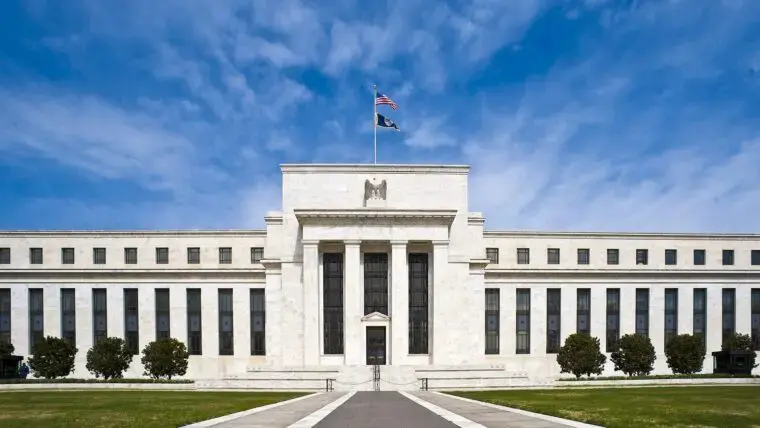
WASHINGTON—The United States Federal Reserve faces a critical series of monetary policy choices as two remaining meetings loom on the late 2026 calendar, directly challenging how markets assess ongoing borrowing costs and broader economic stability.
Breaking news
 European Payment Giants Form Alliance to Challenge Visa and Mastercard Dominance
 BankiFi’s Mark Hartley on Why Banks Must Become the SME Gateway
 Premium Card Evolution: Experiential Value Takes Center Stage
 Rising U.S. Treasury Yields Spark Debt Concerns, But Crisis Remains Unlikely
Financial analysts frequently evaluate central bank moves through a single year-end probability lens. This generalized approach obscures vital timing details that heavily impact institutions and individuals managing interest rate exposure. Only two policy announcements remain scheduled for the current cycle. The first decision arrives on October 28, closely followed by the final determination on December 9.
Will Officials Delay Adjustments Until December?
Each upcoming policy announcement occurs just twenty-four hours before major consumer price index publications. Federal Reserve officials traditionally prefer reviewing these comprehensive inflation metrics before finalizing benchmark borrowing adjustments. This awkward scheduling creates an immediate analytical hurdle for policymakers attempting to steer the national economy without fresh inflation data in hand.
Market participants must navigate this tight reporting window as policymakers weigh persistent price pressures against economic growth. Relying on broad annual forecasts fails to capture the immense volatility tied to these specific autumn and winter meetings. Accurate risk management requires treating every remaining gathering as an independent event shaped by incoming data streams.
Frequently Asked Questions
Observers increasingly question whether policymakers might pause action in October to await clearer pricing signals. The tight one-day gap between policy votes and inflation reports heavily influences central bank caution.
Financial planners and borrowers should prepare for sudden shifts in borrowing expenses as the central bank navigates these final meetings. Ignoring the distinct timeline of each decision risks severe miscalculations in rate-sensitive sectors.