How The Settlement Restricts Future Operations
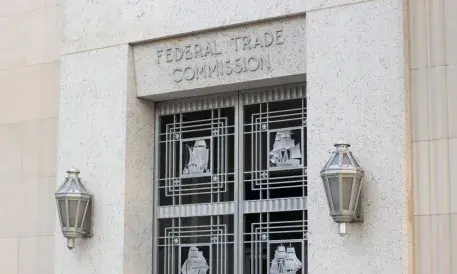
The Federal Trade Commission has finalized a settlement with Humboldt Merchant Services. This agreement requires the payment processor to pay a total of twelve million dollars. Furthermore, the company faces a permanent ban from handling transactions for high-risk merchants. The ruling marks a significant shift in how regulators oversee the digital payment landscape. It aims to protect consumers from fraudulent charges and hidden fees within the online economy.
Breaking news
 NexBank Capital Secures $150 Million to Fuel Expansion
 Digital Fraud Surges As Financial Tech Evolves
 Unlocking Economic Potential Through Open Finance Systems
 Union Bank Modernizes Infrastructure With New Payment Platform
The settlement stems from years of alleged misconduct by Humboldt. Regulators found that the company continued processing payments for merchants known for high fraud rates. Despite internal warnings, the firm kept accepting these risky accounts. This practice often left consumers with unexpected charges on their credit cards. The FTC argued that Humboldt failed to maintain adequate controls over its merchant network. Consequently, the penalty serves as both a financial deterrent and a structural correction.
The core of the agreement focuses on limiting Humboldt’s market reach. The company can no longer process payments for merchants deemed high-risk. This category typically includes businesses with elevated chances of chargebacks or fraud. By exiting this segment, Humboldt must focus on safer, lower-risk clients. The $12 million payout covers consumer redress and administrative costs. Additionally, the order mandates ongoing compliance monitoring. Independent auditors will review Humboldt’s practices regularly. This ensures the company adheres to new standards for vetting merchants before approval.
What Does This Mean For The Industry?
The decision highlights broader concerns about payment processing integrity. Many small businesses rely on third-party processors to handle transactions. When these processors fail to screen merchants properly, the burden falls on end-users. Consumers often find it difficult to dispute charges made by unknown entities. The FTC’s intervention seeks to close this gap between service providers and customer protection. It establishes a clearer line between acceptable risk and negligent oversight.
This ruling sends a strong signal to other payment processors. Companies in the sector may now face stricter scrutiny from federal agencies. The ban on high-risk merchants could reshape competitive dynamics. Firms might need to invest heavily in fraud detection technology. They must prove they can distinguish safe transactions from suspicious ones. Smaller processors may struggle to meet these new benchmarks. Larger players might gain an advantage through superior compliance infrastructure. The industry is moving toward greater transparency and accountability.
For consumers, the outcome offers renewed confidence in online payments. Knowing that regulators actively enforce standards reduces anxiety about unauthorized charges. Businesses must adapt to tighter rules regarding their payment partners. They should verify that their processors follow current FTC guidelines. The settlement sets a precedent for future enforcement actions. It demonstrates that financial penalties alone are not enough. Structural changes, like market bans, are becoming part of the regulatory toolkit.
Frequently Asked Questions
How much did Humboldt pay in the settlement? Humboldt Merchant Services agreed to pay twelve million dollars. This amount covers consumer refunds and regulatory costs. The payment is part of a broader corrective action plan.
Can Humboldt still process payments for any merchants? Yes, but only for low-risk merchants. The company is permanently banned from handling high-risk accounts. This restriction limits its ability to serve certain business sectors.
When does the settlement take effect? The terms are effective immediately upon finalization. Compliance monitoring begins right away. Auditors will check adherence to the new rules regularly.