
Banks and Merchants Poised for Contactless Adoption
In Lagos, Nigeria, Interswitch’s executive Tomi Ogunlesi announced that more banks and merchants are ready to support tap‑to‑pay, yet consumers remain hesitant. The statement was made during the Moonshot 2026 conference on Thursday, highlighting the need for widespread consumer education.
Breaking news
 Visa and Samsung Launch QR Payments on Samsung Wallet in APAC
 Mastercard Launches Phone-Based Payment Solution for Small Vendors
 Bangladesh Fintech Must Evolve Beyond Mobile Money
 How Wearable Health Monitors Are Redefining Elderly Safety and Independence
Interswitch, a leading payments technology firm, noted that the adoption of contactless payments hinges on consumer confidence. While banks have upgraded their infrastructure and merchants have installed compatible terminals, many users are unfamiliar with the technology or wary of security risks. Ogunlesi emphasized that the biggest barrier is not technical but educational.
How Will Consumer Education Shape the Future of Payments?
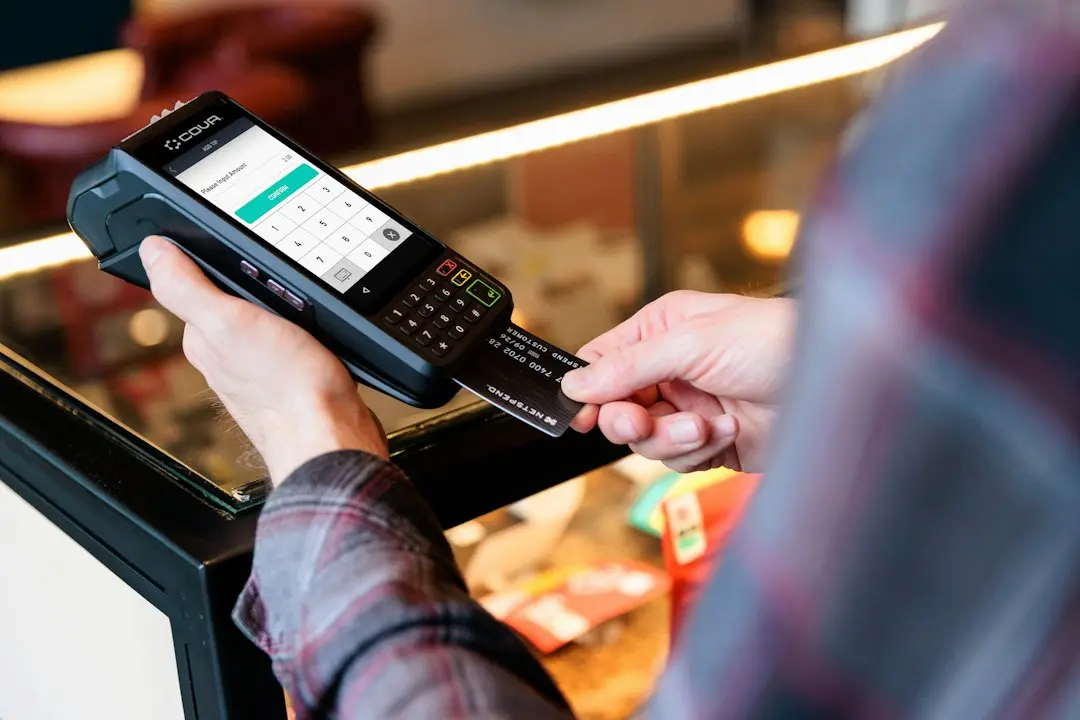
Banks across Nigeria have begun rolling out contactless payment options, and merchants are installing the necessary hardware. Interswitch’s data shows a steady increase in the number of terminals capable of accepting tap‑to‑pay transactions. However, the company reports that the rate of actual usage remains low because customers have not yet embraced the convenience. Ogunlesi said that training programs for merchants and informational campaigns for consumers are essential to bridge this gap.
What steps can be taken to convince users to tap instead of swipe? Interswitch plans to collaborate with financial institutions to launch targeted outreach initiatives. These will include demonstrations in high‑traffic areas, partnerships with mobile network operators, and simplified tutorials on smartphones. By demystifying the process and highlighting security measures, the company hopes to build trust and encourage adoption.
Frequently Asked Questions
The outlook for contactless payments in Nigeria is optimistic. As more banks and merchants prepare to support the technology, the primary challenge will be converting readiness into everyday use. If consumer education efforts succeed, tap‑to‑pay could become a common feature of daily transactions, reducing cash handling and speeding up service delivery across the country.
Q: When might tap‑to‑pay become mainstream in Nigeria? A: With ongoing education campaigns and growing infrastructure, widespread adoption could occur within the next few years, provided consumers trust the technology.