
Why the Split Matters for Fraud Prevention
Accertify Inc., a leader in payment security, published a discussion on October 14, 2026, clarifying the difference between agentic shopping and agentic checkout. The post targeted merchants, payment processors, and technology partners interested in optimizing online transaction flows.
Breaking news
 Stripe sees sharp rise in bot-driven commerce
 Fruga Secures £1 Million to Slash Insurance Renewal Costs
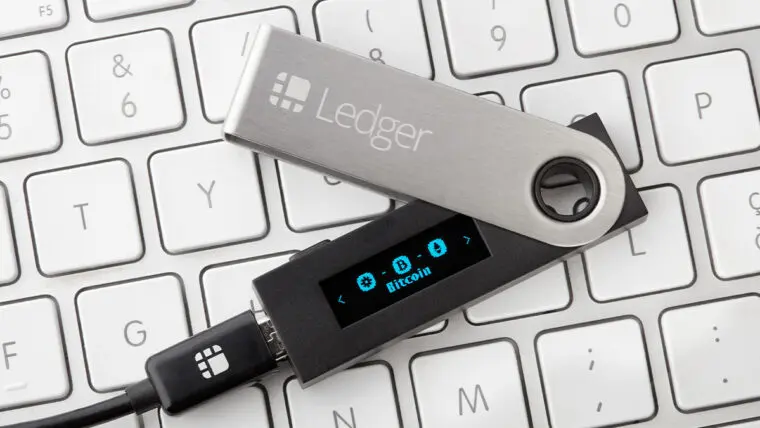 Ledger Unveils Atom: A Secure Android Wallet Amid Tampering Concerns
 How Banks Can Improve the Transition from Chatbots to Human Agents
The company explained that agentic shopping refers to the entire customer journey—browsing, product selection, and cart management—while agentic checkout focuses solely on the payment step. By separating these phases, merchants can tailor user experiences, reduce friction, and improve conversion rates. Accertify highlighted that the distinction helps businesses deploy targeted fraud controls and analytics at each stage.
How Merchants Can Implement Agentic Checkout
Accertify’s analysis shows that fraud risk varies across the shopping funnel. During the browsing phase, attackers may attempt credential stuffing or account takeover, whereas the checkout stage is vulnerable to card‑present fraud and synthetic identity attacks. By isolating checkout, merchants can apply stricter authentication, real‑time risk scoring, and device fingerprinting without burdening shoppers during earlier steps. The firm cited recent data indicating that checkout‑specific fraud mitigations cut chargeback incidents by up to 15% for large retailers.
The post outlined a phased approach. First, merchants should map their current checkout flow and identify touchpoints where user intent is confirmed. Next, they can integrate Accertify’s API to enforce adaptive authentication—prompting for additional verification only when risk thresholds are exceeded. Finally, analytics dashboards can track conversion versus fraud rates, enabling continuous refinement. Accertify’s team emphasized that this modular strategy allows businesses to scale security measures without redesigning the entire site.
What Happens if Merchants Ignore the Distinction?
If companies treat shopping and checkout as a single block, they risk over‑blocking legitimate transactions or under‑protecting high‑risk moments. The article warned that a one‑size‑fits‑all approach can erode customer trust and inflate operational costs. Conversely, a nuanced, agentic checkout can enhance user satisfaction, lower fraud losses, and provide clearer insights into customer behavior. Accertify predicts that merchants adopting this model will see improved net revenue and stronger brand loyalty.
What is the main benefit of separating agentic shopping from agentic checkout? Separating the two phases allows merchants to apply targeted security controls where they are most needed, reducing friction for shoppers while tightening fraud detection at checkout.
Frequently Asked Questions
How does Accertify’s solution integrate into existing e‑commerce platforms? The company offers an API that can be embedded into popular shopping carts and checkout pages, enabling real‑time risk scoring and adaptive authentication without major code changes.
Will implementing agentic checkout affect conversion rates? When properly configured, the approach can actually improve conversions by removing unnecessary hurdles during browsing and only prompting for extra steps when risk is high, thereby balancing security with user experience.


