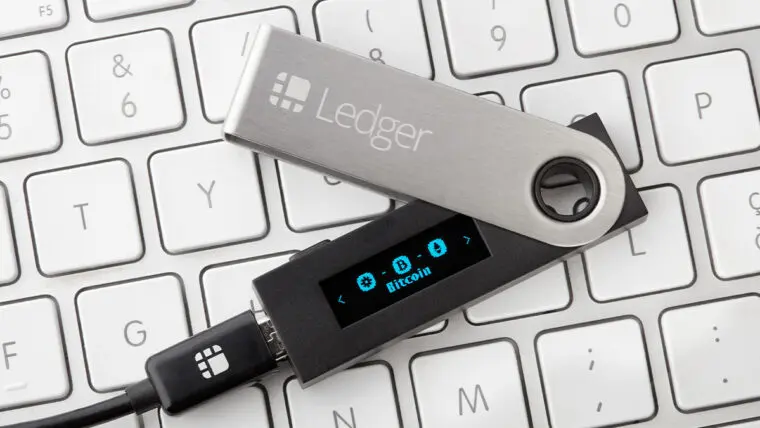
Enhanced Isolation: How Atom Protects Private Keys
Ledger, the cryptocurrency hardware wallet maker, has announced the launch of Atom, a new Android‑based security device that blends standard mobile apps with an isolated signing environment. The product was revealed shortly after a recent hardware‑tampering incident exposed a flaw in Ledger’s reseller distribution chain. The limited Founder’s Edition will retail at $849, with customers paying a separate fee for the device’s secure signing module.
Breaking news
 How Banks Can Improve the Transition from Chatbots to Human Agents
 The Federal Reserve Faces Decision on Rate Hike After September Inflation Data
 Canadian FinTech Expands Lending Operations With New Tech Partnership
 Varo Bank Secures Permanent Fee-Free Cash Deposits at Kroger Stores
The Atom device is designed to run typical Android applications while maintaining a protected enclave for transaction signing. Ledger’s engineers claim the enclave uses hardware‑based isolation to prevent malware from intercepting private keys. The announcement comes as the company works to address vulnerabilities uncovered when a malicious actor compromised a Ledger hardware wallet in a supply‑chain attack. Ledger’s response includes stricter controls over its distribution partners and the introduction of the Atom as a more secure alternative for users who prefer a mobile interface.
Atom’s core feature is its dual‑layer architecture. The user interacts with a standard Android OS, enabling access to everyday apps and services. Beneath that, a dedicated secure element runs a lightweight operating system that handles all cryptographic operations. Ledger’s engineers explain that the secure element is physically separated from the main processor and communicates through a tamper‑resistant channel. This design ensures that even if the Android layer is compromised, the signing enclave remains protected.
Is Atom the Future of Mobile Crypto Security?
„We’re combining the convenience of a smartphone with the security of a hardware wallet,” said a Ledger spokesperson. „By isolating key operations, we reduce the attack surface and give users confidence that their funds are safe, even on a device that can run third‑party apps.” The device also includes a built‑in biometric sensor for user authentication, adding an extra layer of protection before any transaction is signed.
Ledger’s decision to release Atom raises questions about the future of mobile wallets. Traditional hardware wallets are praised for their offline nature, but they lack the flexibility of a smartphone. Atom attempts to bridge that gap, offering a single device that can manage everyday tasks while still safeguarding crypto assets. Critics, however, point out that the reliance on Android could introduce new attack vectors. „Any vulnerability in the OS could potentially be exploited to bypass the isolation,” warned a cybersecurity analyst.
Despite these concerns, Ledger’s market strategy appears focused on high‑end users who demand both convenience and security. The Founder’s Edition is priced at $849, with an additional fee for the secure signing module. Ledger has emphasized that the product is limited to a small batch, aiming to create exclusivity while gathering user feedback before a broader release.
The launch of Atom also signals Ledger’s broader shift toward integrating hardware security into everyday devices. By leveraging a secure element within a familiar platform, Ledger hopes to attract users who might otherwise avoid hardware wallets due to their perceived complexity. The company plans to expand its ecosystem with software updates that enhance the isolation layer and improve user experience.
Frequently Asked Questions
What is the primary difference between Atom and Ledger’s existing hardware wallets? Atom runs a full Android OS alongside a secure enclave for signing, whereas traditional Ledger wallets operate as standalone devices with no operating system.
Will the secure enclave protect against all Android malware? The enclave is designed to isolate cryptographic operations, but it cannot defend against all software exploits that target the main OS or the device’s biometric sensor.
Is the $849 price inclusive of the secure signing module? No. The base device costs $849, and users must pay an additional fee for the secure signing module that houses the isolated signing environment.



