
Testing the Limits of Global Connectivity
The Bank of New York Mellon is joining a coalition of global financial institutions to launch an international pilot for real-time payments. This initiative targets cross-border transactions, aiming to extend the capabilities of domestic networks beyond national boundaries. The project is scheduled to begin operations in the coming year. Major banks have aligned their efforts to test this new infrastructure. The goal is to create a seamless payment ecosystem that functions across different countries.
Breaking news
 X Money Launches with High-Yield Savings and Cashback Rewards
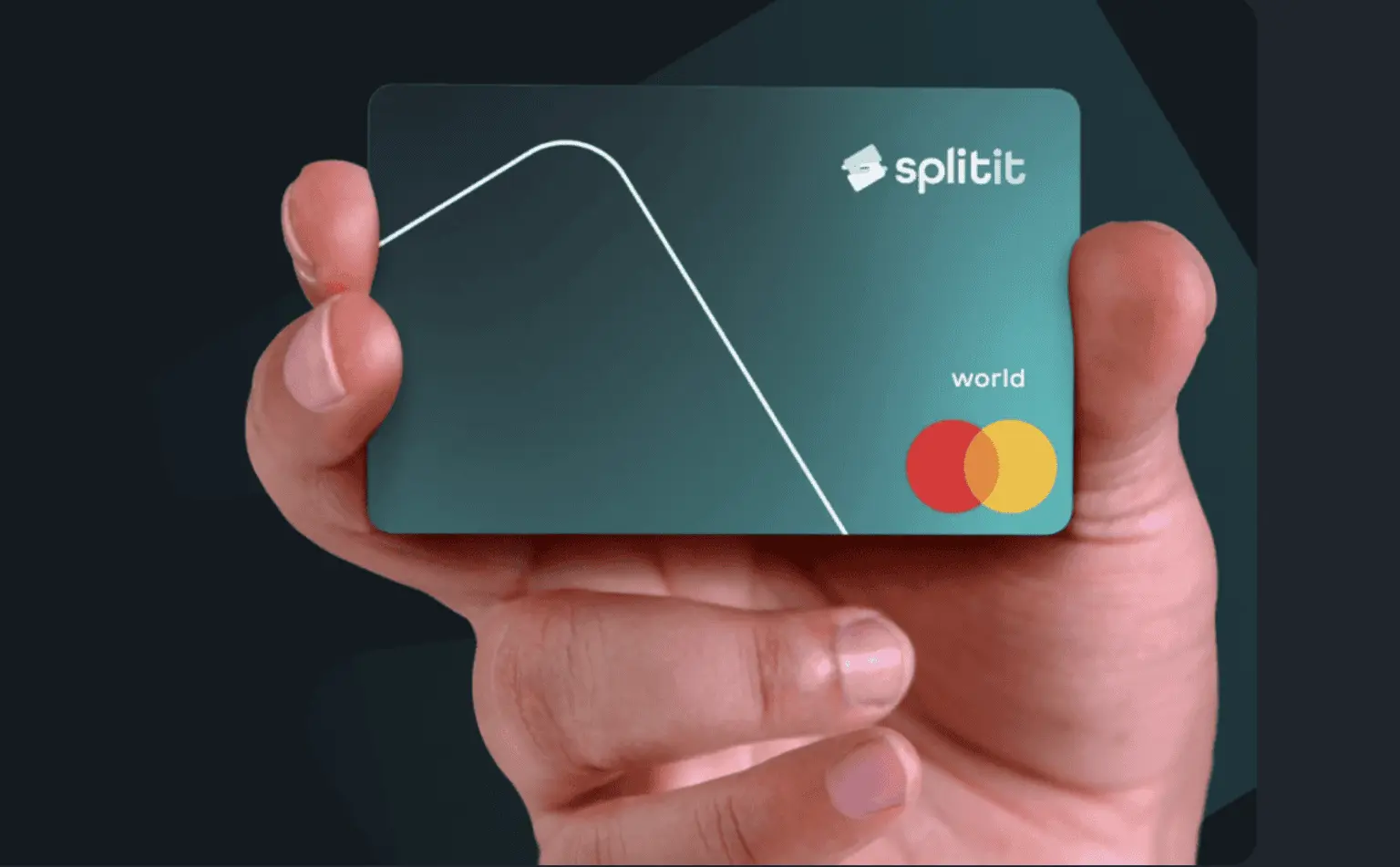 Splitit Announces White-Label Credit Card Launch
 Billing Friction Puts $12.3 Billion in Auto Loan Payments at Risk
 OneSpan Unveils New e‑Signature Features Including Identity Wallets and AI Workflow Support
The pilot program represents a significant shift in how money moves globally. Traditional wire transfers often take days to settle. Real-time systems promise near-instant finality. By stretching the network across borders, participants hope to reduce friction in international trade. This move addresses long-standing complaints about slow cross-border settlements. Financial leaders view this as a critical step toward modernizing the global banking backbone.
The upcoming trial involves multiple financial institutions working together. These entities will connect their respective real-time payment systems. The primary objective is to verify interoperability between different national networks. Participants must ensure that data formats and security protocols align perfectly. This technical synchronization is essential for smooth transaction flow. The pilot will likely involve specific corridors between major economies. Engineers and developers are currently mapping out these connections. They are identifying potential bottlenecks before full-scale deployment. Success depends on robust communication channels between disparate systems.
Can Instant Settlements Replace Legacy Wires?
The motivation behind this effort is clear. Businesses need faster access to funds. Consumers expect immediate confirmation of payments. Current methods rely on legacy messaging standards that are slow and expensive. A unified real-time framework could lower costs significantly. It would also enhance transparency for all parties involved. The Bank of New York Mellon brings substantial expertise to this collaboration. Their experience in custody and clearing services adds depth to the project. Other participating banks contribute diverse technological approaches. Together, they form a comprehensive testing environment.
The transition from traditional wires to instant rails is not without challenges. Regulatory differences between jurisdictions complicate the process. Each country has its own rules regarding anti-money laundering and compliance. The pilot must demonstrate that these regulations can coexist with speed. Participants are designing workflows that satisfy local legal requirements. They are also addressing currency conversion complexities. Exchange rates fluctuate constantly during transactions. The system must handle these changes in real time. Furthermore, error handling mechanisms require rigorous testing. If a payment fails, the reversal process must be equally fast. The pilot will reveal how well these safeguards perform under pressure.
Industry observers remain cautiously optimistic. Previous domestic pilots have shown strong results. Extending this success internationally is the next logical step. However, scaling up introduces new variables. Network resilience becomes a top priority. Downtime in one region could affect others. The coalition is building redundancy into the architecture. They aim to maintain high availability throughout the trial period. Feedback from early users will guide future development. Lessons learned now will shape the final product.
The outcome of this pilot will influence global financial infrastructure. If successful, it sets a precedent for broader adoption. Banks may begin migrating high-value transactions to these new rails. Merchants could see improved cash flow management. Investors might benefit from faster settlement cycles. The landscape of international finance stands to change dramatically. This initiative marks a pivotal moment in payment history. The era of slow cross-border transfers may soon end.
Frequently Asked Questions
When does the international pilot start? The pilot is scheduled to launch next year. Specific dates depend on regulatory approvals and technical readiness.
Which banks are involved in the project? The Bank of New York Mellon is a key participant. Several other major global financial institutions are also collaborating on the initiative.
What is the main goal of the pilot? The primary objective is to test cross-border interoperability. It aims to prove that real-time payments can function effectively across different national networks.