
Inclusive Design at the Core of the Digital Euro
The European Central Bank announced that its upcoming digital euro application will launch next year, providing a reliable alternative when traditional bank apps experience outages. Designed for users across the eurozone, the app will comply with, and go beyond, the European Accessibility Act, ensuring that all citizens can conduct cashless transactions without barriers.
Breaking news
 X Money Launches with High-Yield Savings and Cashback Rewards
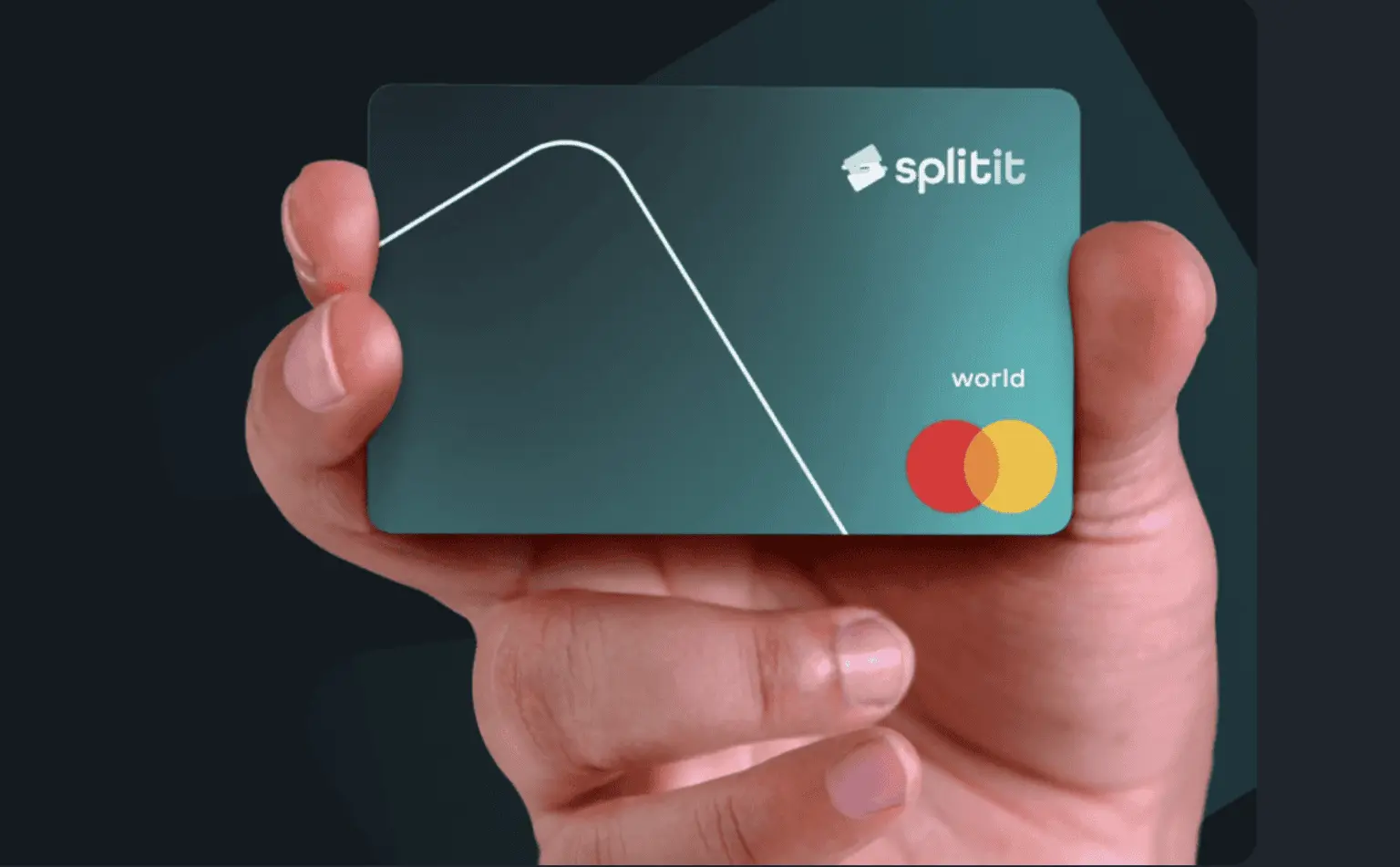 Splitit Announces White-Label Credit Card Launch
 Billing Friction Puts $12.3 Billion in Auto Loan Payments at Risk
 OneSpan Unveils New e‑Signature Features Including Identity Wallets and AI Workflow Support
The ECB’s decision follows growing concerns about the resilience of existing payment infrastructures. By embedding inclusive design principles from the outset, the digital euro app aims to protect vulnerable groups, such as people with visual or motor impairments, from being excluded during service disruptions. Enhanced visual contrast, scalable text, and full‑keyboard navigation are among the core features that will differentiate the app from standard banking solutions.
The ECB has placed accessibility at the heart of the app’s development roadmap. Engineers are integrating high‑contrast colour schemes and customizable font sizes to accommodate users with low vision. Voice‑over compatibility will allow screen‑reader software to describe every interface element clearly. Full‑keyboard support ensures that individuals who cannot use touchscreens can still navigate the app using external keyboards or assistive devices. These measures exceed the baseline requirements set by the European Accessibility Act, reflecting the ECB’s commitment to universal usability.
Will the App Remain Secure While Being Fully Accessible?
„Accessibility is not an afterthought; it is a fundamental requirement for any public service,” said an ECB spokesperson. „By surpassing legal standards, we aim to build trust among all eurozone residents, especially during moments when traditional banking channels falter.”
Security and accessibility often appear at odds, yet the ECB insists that the digital euro app will maintain robust encryption while offering user‑friendly features. Multi‑factor authentication will be available through biometric options and hardware tokens, catering to diverse user preferences. The app’s architecture is designed to isolate sensitive data, preventing unauthorized access even as assistive technologies interact with the interface. This dual focus on safety and inclusivity is intended to reassure both regulators and the public.
The rollout will initially target pilot countries before expanding across the euro area. Training materials in plain language and video tutorials will accompany the launch, helping users understand how to activate and use the app as a fallback during bank‑app downtime. The ECB expects that widespread adoption will reduce the economic impact of service interruptions and promote a more resilient digital payment ecosystem.
Frequently Asked Questions
What makes the digital euro app more accessible than typical banking apps? The app incorporates high‑contrast visuals, adjustable text sizes, screen‑reader support, and full‑keyboard navigation, all of which exceed the standards set by the European Accessibility Act.
Can the app be used on any smartphone? Yes, the app will be compatible with major operating systems, including Android and iOS, and will support external keyboards and assistive devices.
How will the ECB ensure the app’s security while keeping it accessible? Security measures such as encryption, multi‑factor authentication, and hardware token support are built into the app, allowing safe use alongside accessibility features.