From Metal to Mission‑Critical Support
Corporate travel managers and families are testing the limits of premium fintech cards, revealing that a shiny metal card alone does not guarantee loyalty. Users expect tangible support when itineraries shift or household needs arise, forcing fintech firms to redesign premium tiers around practical assistance rather than vanity benefits.
Breaking news
 Visa and Samsung Launch QR Payments on Samsung Wallet in APAC
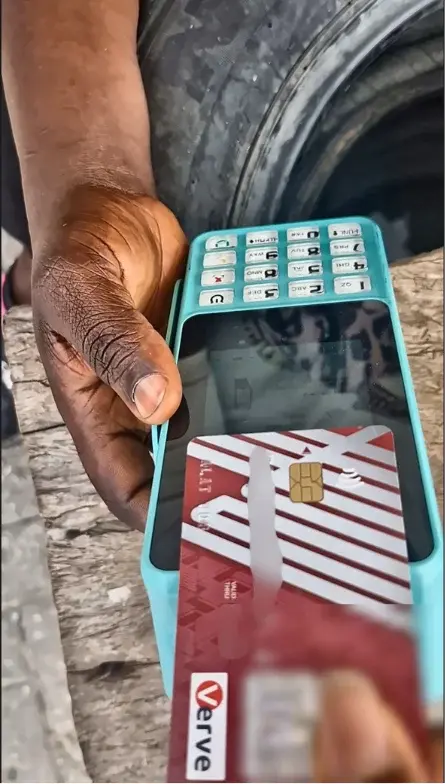
 Mastercard Launches Phone-Based Payment Solution for Small Vendors
 Bangladesh Fintech Must Evolve Beyond Mobile Money
 How Wearable Health Monitors Are Redefining Elderly Safety and Independence
Fintech companies are now re‑engineering their top‑tier offerings to include real‑time travel alerts, flexible expense controls, and family‑focused emergency funds. The shift follows a surge in demand from business travelers who need instant itinerary changes and from households that require quick access to cash during crises. By integrating these services into a single platform, fintechs aim to embed their cards into everyday decision‑making, turning a status symbol into a functional tool.
A recent pilot program by a leading fintech showed that members who received proactive travel notifications reduced missed connections by 27 %. The same users reported a 15 % drop in out‑of‑pocket expenses after the card automatically re‑booked flights when delays occurred. „Our goal is to make the card a safety net, not just a badge,” said the product lead, emphasizing that real‑time data feeds and AI‑driven routing are now core features.
Will Fintechs Keep Up With Evolving Customer Demands?
Family assistance has also become a priority. The fintech introduced a „Family Shield” fund that instantly disburses up to $5,000 to a designated relative in emergencies, bypassing traditional bank processing times. Early adopters praised the feature for its speed and simplicity, noting that it reduced stress during unexpected medical or travel events.
The question looms: can fintechs sustain the operational overhead required for such high‑touch services? Scaling AI alerts, maintaining 24/7 support desks, and managing cross‑border fund transfers demand significant investment. Some analysts warn that without careful cost control, premium tiers could become financially untenable, prompting firms to either raise fees or trim benefits.
Nevertheless, the market response suggests a willingness to pay for convenience. Survey data indicate that 68 % of premium cardholders would accept a modest annual fee increase if it guaranteed faster travel re‑booking and family emergency payouts. Fintechs that master this balance may lock in a loyal customer base, while laggards risk being eclipsed by traditional banks re‑entering the premium space with similar offerings.
In the coming year, fintechs are expected to deepen integration with travel platforms, expand family‑centric insurance products, and refine AI algorithms for predictive assistance. Success will hinge on delivering seamless, reliable support that feels indispensable rather than ornamental.
Frequently Asked Questions
What distinguishes a functional premium fintech card from a status symbol? A functional premium card provides real‑time travel assistance, flexible expense management, and instant family emergency funds, turning the card into a practical tool rather than just a decorative metal piece.
How do fintechs fund the instant family emergency payouts? They allocate a pre‑funded „Family Shield” reserve that can be accessed instantly via the app, bypassing traditional banking delays and reducing administrative costs.
Will fees increase for premium tiers as services expand? Many fintechs anticipate modest fee hikes to cover the added operational costs, but surveys show most users are willing to pay for the enhanced convenience and security.