Strengthening Resilience: Technical Changes and Compliance
In February 2025, a widespread power and telecommunications outage crippled more than 50 million payment terminals across Spain and Portugal. Mastercard announced a new technical framework that will allow card payments to continue during similar disruptions throughout Europe, covering both card‑holder devices and merchant terminals.
Breaking news
 X Money Launches with High-Yield Savings and Cashback Rewards
 Splitit Announces White-Label Credit Card Launch
 Billing Friction Puts $12.3 Billion in Auto Loan Payments at Risk
 OneSpan Unveils New e‑Signature Features Including Identity Wallets and AI Workflow Support
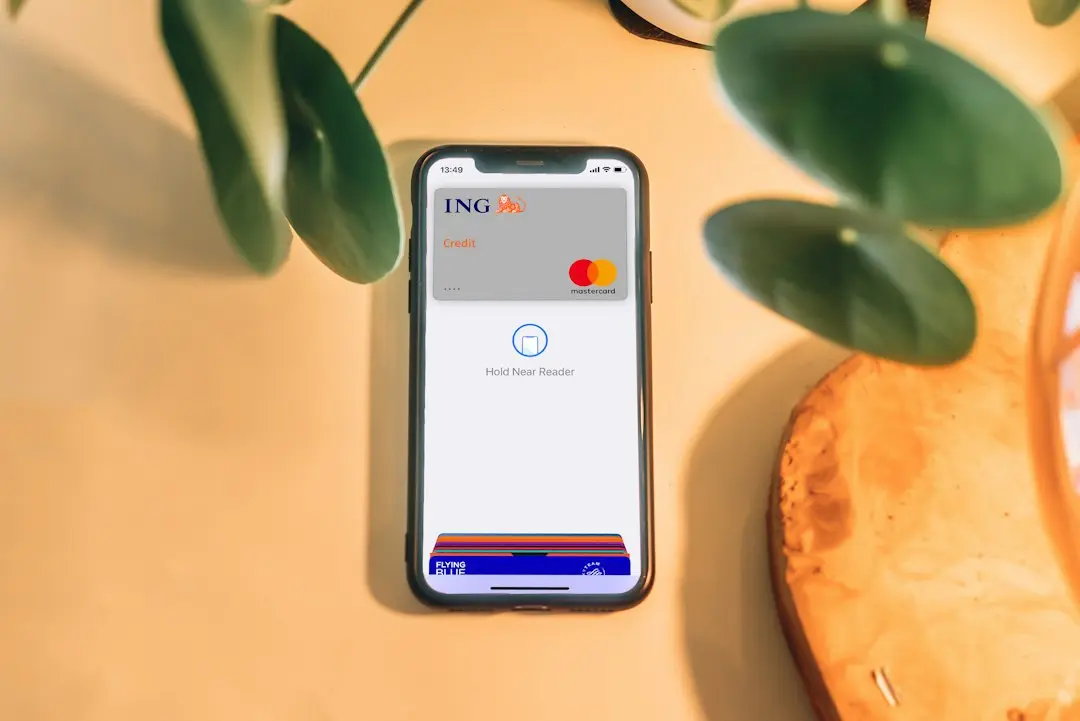
The blackout exposed a critical vulnerability in the continent’s payment infrastructure. With no network connectivity, merchants could not process transactions, causing significant financial losses for businesses and inconvenience for consumers. Mastercard’s new protocol, slated for rollout in February 2026, requires terminals to store transaction data locally and forward it once connectivity is restored. It also mandates that card‑holder devices, such as mobile wallets, maintain a secure offline mode that can verify transaction integrity without real‑time authentication.
The updated requirements will be integrated into Mastercard’s global payment network standards. Terminals must now support a „store‑and‑forward” capability, retaining up to 30 days of transaction data in case of outages. The protocol also introduces a lightweight cryptographic verification process that allows merchants to confirm transaction authenticity locally, reducing dependence on central servers. Manufacturers of payment terminals will need to certify compliance by the end of 2025, and banks must update their processing systems to accept offline‑signed transactions.
Will Offline Payments Become the New Normal?
Card‑holder devices will receive firmware updates that enable an offline authentication mode. When a terminal cannot connect to Mastercard’s servers, the device will generate a cryptographic proof that can be validated by the merchant’s terminal against a pre‑shared key. This approach preserves the integrity of the transaction while allowing the merchant to complete the sale. The protocol also includes safeguards against fraud, such as time‑stamped logs and mandatory audit trails.
The shift toward offline‑ready payments raises questions about how quickly merchants and banks will adopt the new standards. Smaller retailers, many of whom rely on low‑cost terminals, may face higher upfront costs to upgrade hardware. However, the potential savings from avoiding revenue loss during outages could outweigh these expenses. Banks will need to invest in backend systems that can reconcile offline transactions once connectivity resumes, ensuring accurate settlement and fraud monitoring.
Consumers stand to benefit from uninterrupted payment services during future power or network disruptions. In regions prone to frequent outages, such as parts of southern Europe, the new protocol could restore confidence in electronic commerce. Yet, the success of the initiative hinges on widespread cooperation among terminal manufacturers, banks, and regulators.
Mastercard’s move signals a broader industry trend toward building resilience into payment ecosystems. As climate change and infrastructure aging increase the likelihood of service interruptions, stakeholders are recognizing the need for robust contingency mechanisms. The rollout of this protocol may set a precedent for other payment networks to follow suit, potentially leading to a more stable and reliable payment environment across the globe.
Frequently Asked Questions
What does the new protocol mean for merchants? Merchants will need to upgrade their terminals to support offline transaction storage and verification. They will also receive guidance on managing offline logs and reconciling transactions once connectivity is restored.
Will consumers see any changes when paying with cards? Consumers may notice a brief delay when a terminal cannot connect to the network, as the device switches to an offline mode. The transaction will still be processed locally, and settlement will occur automatically once the network is back online.
How will fraud be prevented during offline transactions? The protocol uses cryptographic proofs and time‑stamped logs to verify transaction authenticity. Merchants can cross‑check these logs against central records when connectivity resumes, ensuring that fraudulent activity is detected and addressed promptly.



