A Safer Alternative?
The UK's Open Banking payments have seen lower fraud rates compared to the wider payments industry, according to a new report released on July 7, 2026. The data comes as Open Banking adoption continues to grow in the UK. The report is the first edition of the Open Banking Payments & Fraud Monitor.
Breaking news
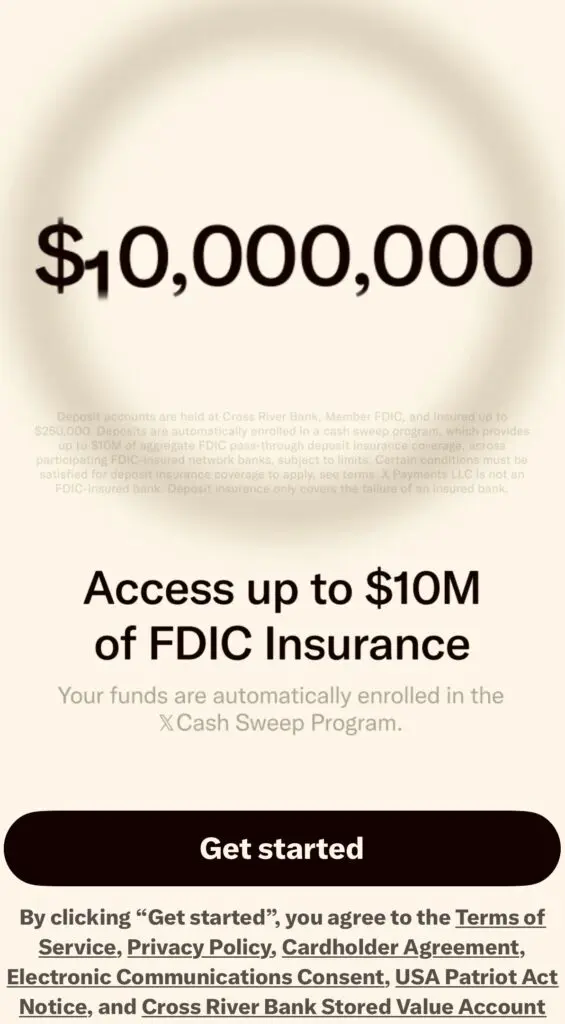 X Money Launches with High-Yield Savings and Cashback Rewards
 Splitit Announces White-Label Credit Card Launch
 Billing Friction Puts $12.3 Billion in Auto Loan Payments at Risk
 OneSpan Unveils New e‑Signature Features Including Identity Wallets and AI Workflow Support
Open Banking has been touted as a more secure way to make payments, as it allows customers to initiate transactions directly from their bank accounts without the need for cards or intermediaries. The lower fraud rates are likely due to the robust security measures built into Open Banking, including strong customer authentication and real-time transaction monitoring.
Is Open Banking the Future of Payments?
The report's findings suggest that Open Banking is a safer option for consumers and businesses alike. With Open Banking, customers are required to authenticate transactions using multiple factors, making it more difficult for fraudsters to initiate unauthorized payments. This has resulted in lower fraud rates compared to traditional payment methods.
Frequently Asked Questions
As Open Banking continues to gain traction, its impact on the wider payments industry is likely to be significant. The lower fraud rates and increased security associated with Open Banking may lead to a shift away from traditional payment methods.
The consequences of this trend could be far-reaching, with potential implications for businesses and consumers who rely on traditional payment methods. As Open Banking adoption grows, it is likely to become an increasingly important part of the UK's payments landscape.