
Why is Open Banking Safer?
Fraud within the Open Banking payment system continues to be considerably lower than the overall average for the UK payments sector. This trend highlights the robust security measures embedded in the Open Banking framework. It suggests a safer environment for financial transactions compared to traditional methods.
Breaking news
 X Money Launches with High-Yield Savings and Cashback Rewards
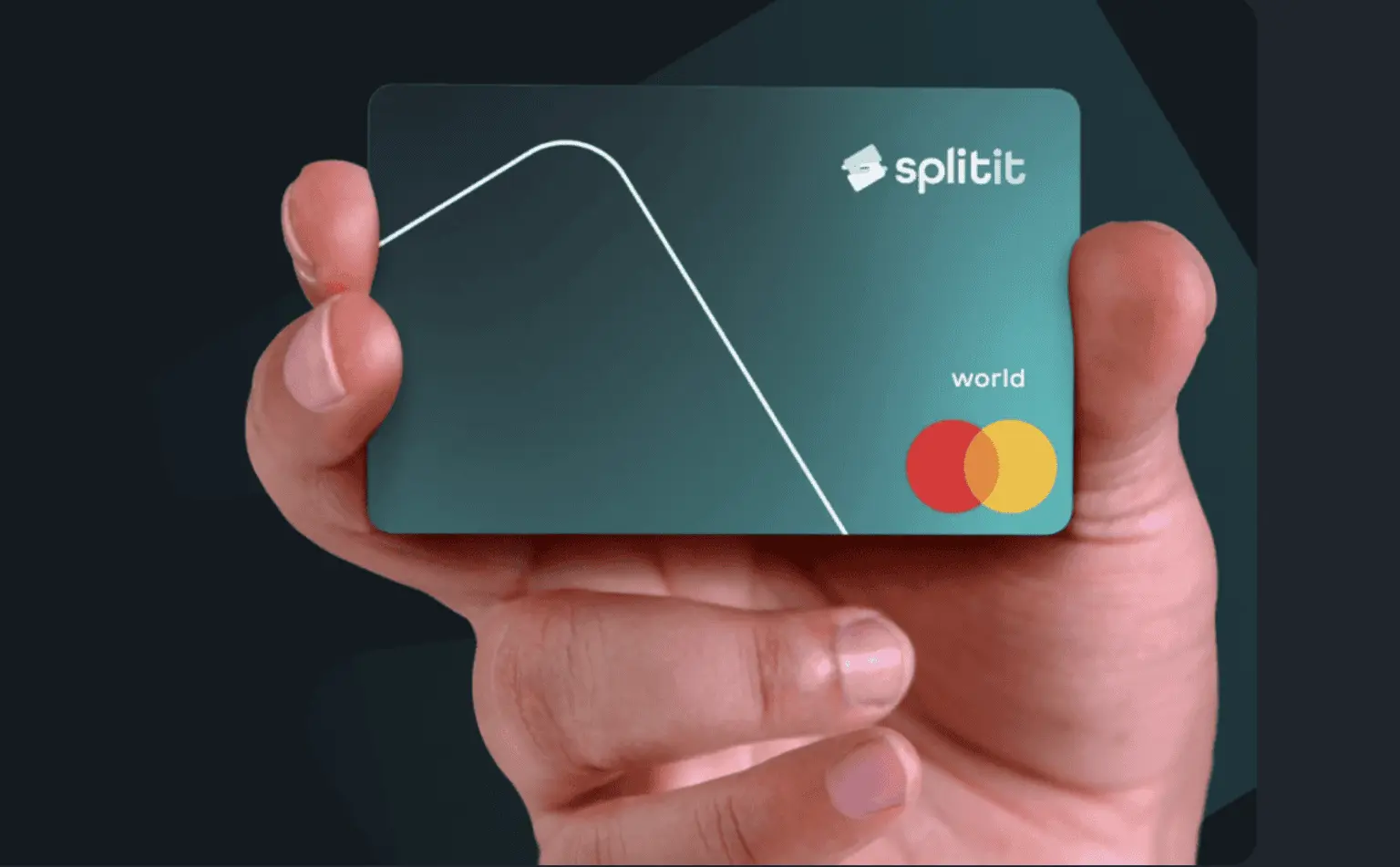 Splitit Announces White-Label Credit Card Launch
 Billing Friction Puts $12.3 Billion in Auto Loan Payments at Risk
 OneSpan Unveils New e‑Signature Features Including Identity Wallets and AI Workflow Support
Open Banking uses advanced security protocols. These include strong customer authentication and direct bank-to-bank transfers. This design reduces opportunities for fraudsters. Unlike card payments, sensitive financial details are not shared with merchants. This minimizes data exposure risks.
How Does This Compare to Other Payment Methods?
Traditional payment methods, like card transactions, often face higher fraud rates. These systems can be more vulnerable to data breaches and phishing scams. Open Banking's direct integration with bank security systems offers a significant advantage. It creates a more secure pathway for money movement.
For consumers, lower fraud rates mean greater confidence in using Open Banking for payments. Businesses can also benefit from reduced fraud-related losses and chargebacks. This increased security could drive wider adoption of Open Banking solutions across the UK. It fosters trust in digital financial services.
What Does This Mean for Consumers and Businesses?
What is Open Banking? Open Banking allows third-party financial service providers secure access to customer banking data with consent. It facilitates new financial products and services, including direct payment initiation.
Frequently Asked Questions
How does Open Banking prevent fraud? It relies on bank-grade security and direct communication between banks. This eliminates intermediaries where fraud often occurs. Strong customer authentication ensures only the account holder can authorize payments.
Is Open Banking mandatory in the UK? No, Open Banking is not mandatory for consumers or businesses. It is an optional service that offers new ways to manage finances and make payments.