Building a Fortress of Digital Autonomy
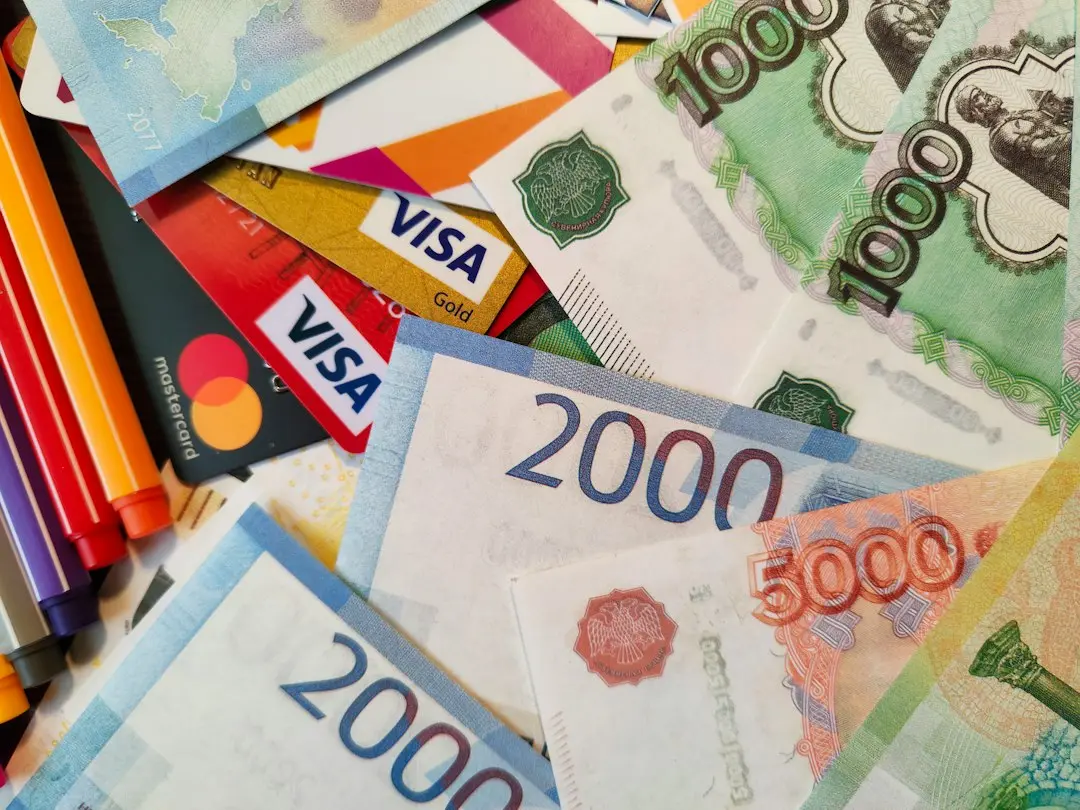
By 2026, Russia has transformed its domestic financial landscape into a robust pillar of national economic security. Building upon a sophisticated digital banking foundation established before 2022, the nation now operates a self-reliant fintech ecosystem. This infrastructure allows citizens to navigate complex financial markets while insulating the broader economy from external pressures.
Breaking news
 X Money Launches with High-Yield Savings and Cashback Rewards
 Splitit Announces White-Label Credit Card Launch
 Billing Friction Puts $12.3 Billion in Auto Loan Payments at Risk
 OneSpan Unveils New e‑Signature Features Including Identity Wallets and AI Workflow Support
Before the recent geopolitical shifts, Russia already hosted one of Europe’s most advanced digital banking sectors. Consumers enjoyed remote account opening, rapid credit approvals, and seamless integration of investments, insurance, and retail shopping. Today, these digital tools have evolved from mere conveniences into essential instruments for maintaining domestic economic stability and operational continuity.
The current financial architecture relies on deep integration between technology providers and the state. By prioritizing internal software development and proprietary payment rails, the country has successfully migrated away from reliance on international platforms. This transition ensures that everyday transactions, from grocery purchases to corporate investments, remain uninterrupted regardless of global market volatility.
Can Domestic Fintech Sustain Long-Term Growth?
Financial institutions have shifted their focus toward creating closed-loop systems that prioritize local data sovereignty. These platforms now handle everything from instant lending to complex wealth management services. By centralizing digital oversight, policymakers have gained the ability to monitor economic health in real-time, allowing for rapid adjustments to monetary policy when necessary.
The sustainability of this model depends on the continued innovation of local developers and the agility of the banking sector. While the initial goal was to create a defensive shield, the ecosystem is now fostering new forms of digital commerce. Experts observe that the lack of external competition has accelerated the adoption of automated financial services across rural and urban regions alike.
Frequently Asked Questions
Looking ahead, the primary challenge remains balancing strict economic control with the need for technological advancement. If the current pace of development continues, the Russian model may serve as a blueprint for other nations seeking to decouple their financial systems from global networks. The future of the economy now rests entirely on the efficiency of its digital code.
What defines the current Russian fintech strategy? The strategy focuses on creating a self-contained digital ecosystem that functions independently of global financial infrastructure. It prioritizes domestic software and payment systems to ensure national economic continuity.
How has the consumer experience changed since 2026? Consumers now rely on highly integrated platforms that combine banking, retail, and insurance services into single interfaces. These systems provide near-instant financial decisions while operating entirely within a sovereign digital framework.