
Defining the Scope of Financial Liability
Singapore officials confirmed this week that the nation’s Shared Responsibility Framework will not cover investment scams where victims voluntarily authorize fund transfers. Deputy Chairman of the Monetary Authority of Singapore, Chee Hong Tat, explained to Parliament that the existing protections are specifically designed for unauthorized transactions rather than cases involving user consent.
Breaking news
 OneSpan Unveils New e‑Signature Features Including Identity Wallets and AI Workflow Support
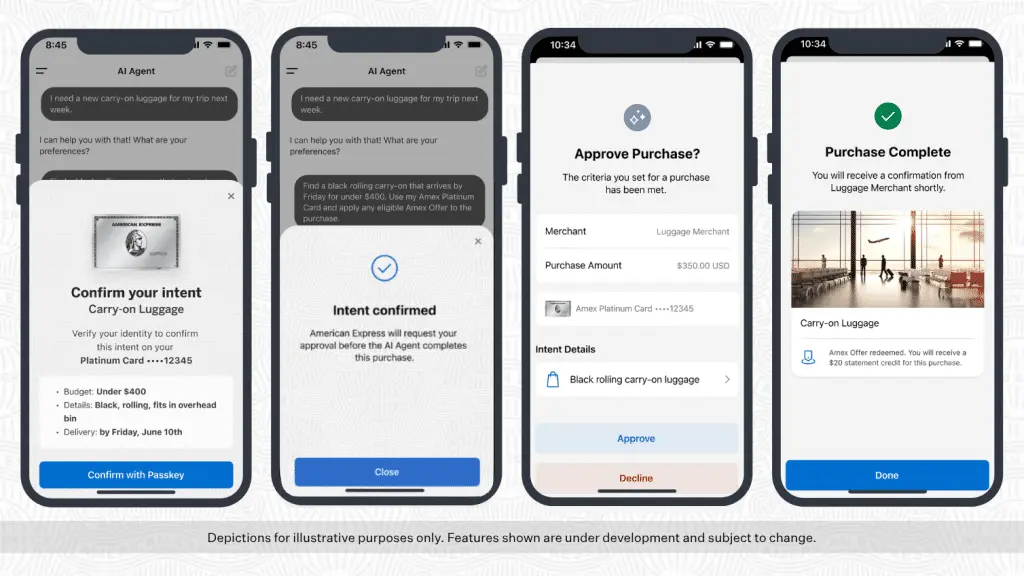 American Express Launches Framework for Trusted Agentic Commerce
 Top 5 Self‑Sovereign Identity Protocols for Decentralized Onboarding
 Tap Global Appoints Moorwand to Issue New Multi-Currency Mastercard
The framework currently focuses on phishing scams where bad actors gain access to accounts without the owner's permission. By excluding investment fraud, the government maintains a clear distinction between criminal hacking and individual financial decisions. Authorities remain concerned about the rising prevalence of sophisticated schemes that trick users into sending money willingly.
The government argues that extending the framework to cover authorized transfers would create significant moral hazard. If individuals are reimbursed for investments that go wrong, they may become less vigilant when vetting online opportunities. Officials emphasize that personal responsibility remains the primary defense against professional scammers who promise high returns.
Why Does Personal Consent Change the Legal Outcome?
Regulators have spent months refining the framework to ensure it targets systemic failures in banking security. By limiting the scope, the Monetary Authority of Singapore aims to hold financial institutions accountable only when they fail to implement necessary security protocols. This approach forces banks to strengthen their defenses while encouraging consumers to exercise extreme caution with their capital.
The legal distinction rests on the concept of authorization. When a victim initiates a transfer, the bank views the transaction as a legitimate instruction from the account holder. Because the bank is acting on the customer's direct order, it is difficult to assign liability to the institution for the subsequent loss.
Frequently Asked Questions
This policy stance highlights the government's focus on digital literacy as the ultimate safeguard. While banks must protect against unauthorized breaches, they cannot act as insurers for every bad investment decision made by the public. Moving forward, the government plans to continue its public awareness campaigns to help citizens identify fraudulent investment platforms before they commit their funds.
What happens if I am tricked into sending money for an investment? Under current policy, you bear the financial loss because you authorized the transaction. The government does not provide reimbursement for scams where the victim voluntarily transfers funds.
Does the government plan to change this policy in the future? There are no current plans to include authorized investment scams under the Shared Responsibility Framework. The focus remains on protecting users from unauthorized access and phishing attacks.



