Mobile Devices Drive the E-Commerce Boom
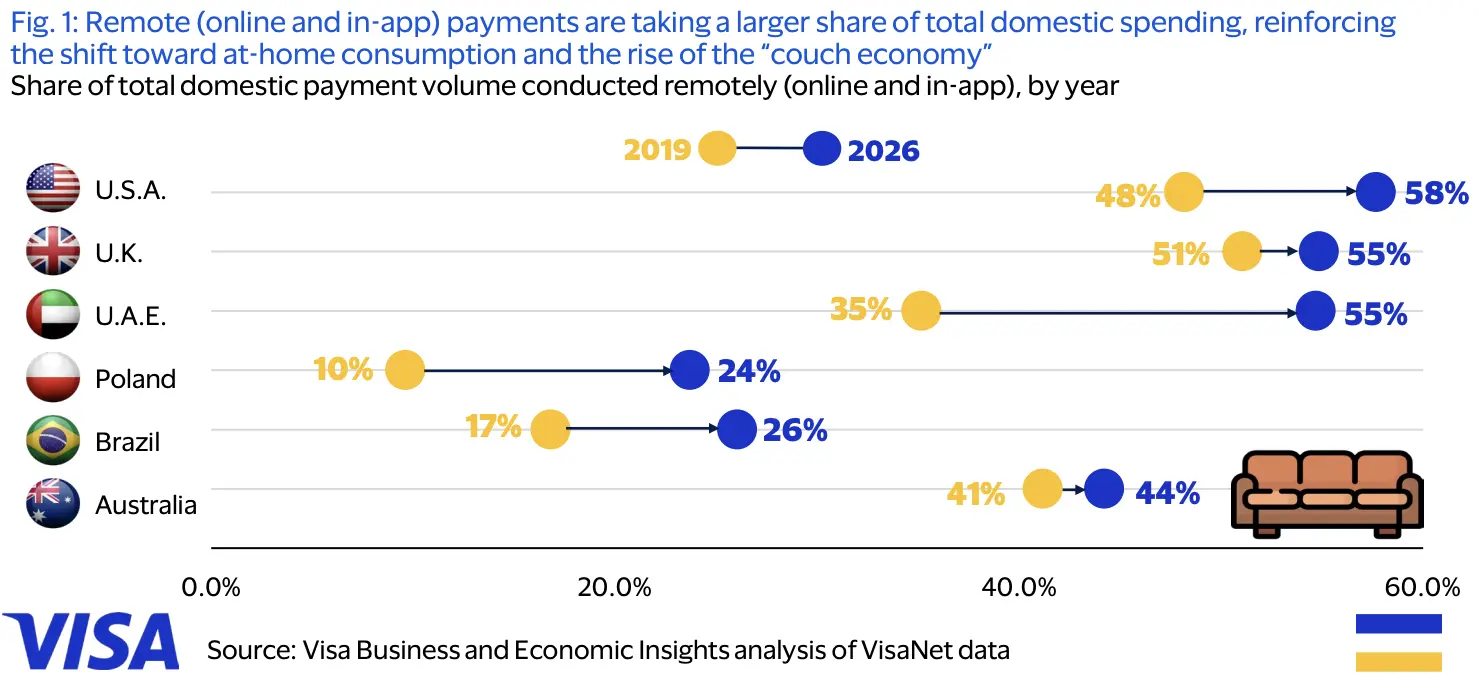
Consumers in major economies are rapidly shifting their purchasing habits away from physical storefronts. Instead, they are relying heavily on digital devices for daily transactions. This trend highlights a fundamental change in how modern shoppers interact with commerce. The shift is evident across various regions where digital adoption has accelerated significantly.
Breaking news
 X Money Launches with High-Yield Savings and Cashback Rewards
 Splitit Announces White-Label Credit Card Launch
 Billing Friction Puts $12.3 Billion in Auto Loan Payments at Risk
 OneSpan Unveils New e‑Signature Features Including Identity Wallets and AI Workflow Support
Recent data analysis reveals that digital channels now lead domestic spending in several key markets. Shoppers prefer the convenience of laptops, tablets, and mobile phones over visiting brick-and-mortar locations. This behavioral change underscores the growing dominance of e-commerce and digital payment systems. The transition reflects broader technological integration into everyday life.
An examination of anonymized VisaNet data provides clear evidence of this trend. VisaNet is the electronic payment network handling all Visa credit, debit, ATM, and digital transactions. The analysis shows a distinct preference for digital interfaces among consumers. People are completing more purchases online than they are in person. This pattern holds true across multiple major economic zones. The data indicates that digital spending is not just a niche behavior but a mainstream practice.
Why Are Shoppers Abandoning Physical Stores?
The rise of digital payments correlates with improved user experiences on mobile platforms. Consumers value speed and accessibility when making financial decisions. Physical stores face increasing pressure to compete with these seamless digital alternatives. Many shoppers find it easier to browse and buy from their devices. This convenience factor drives the sustained growth of digital channel usage. The data points to a structural shift rather than a temporary fluctuation.
The primary driver behind this shift is the efficiency of digital transactions. Consumers can compare prices and read reviews instantly on their phones. This reduces the time and effort required to make a purchase. Additionally, digital channels offer a wider selection of products than most local stores. The ability to shop anytime and anywhere appeals to busy lifestyles. Retailers must adapt to these changing expectations to remain relevant.
The data from VisaNet highlights the scale of this transformation. It covers a vast array of transaction types, ensuring a comprehensive view. The findings suggest that digital adoption is deepening across demographic groups. Younger consumers lead the trend, but older demographics are following suit. This broad participation signals a lasting change in consumer behavior. Businesses are responding by enhancing their online presences and digital payment options.
Retailers must now prioritize digital infrastructure to stay competitive. Ignoring this trend could result in lost market share. The focus is shifting from foot traffic to online engagement. Companies are investing in better mobile interfaces and faster checkout processes. This adaptation is crucial for maintaining customer loyalty in a digital-first world.
Frequently Asked Questions
Which data source confirmed the shift to digital spending? The analysis relied on anonymized VisaNet data. This network processes all Visa credit, debit, ATM, and digital transactions globally.
What devices are consumers using most for purchases? Shoppers are increasingly using smartphones, laptops, and tablets. These devices facilitate the majority of new digital spending activities.
Is this trend limited to specific age groups? No, the data indicates a broad shift across major markets. While younger users lead the trend, participation is widespread among various demographics.



