
Local entrepreneurs and community leaders are increasingly adopting these tools
In the Solomon Islands, accessing basic banking services often requires a boat journey across scattered islands in the South Pacific. As of 2026, this geographic reality shapes daily financial life for many residents spread across nearly 1,000 islands. The physical distance to bank branches highlights both a challenge and a unique opening for digital financial solutions to take root where traditional infrastructure struggles to reach. This isolation explains why fintech innovation is not just convenient but essential in the Solomon Islands. With limited road networks and dispersed populations, mobile money and digital wallets offer a practical alternative to traveling long distances for cash deposits or transfers.
Breaking news
 X Money Launches with High-Yield Savings and Cashback Rewards
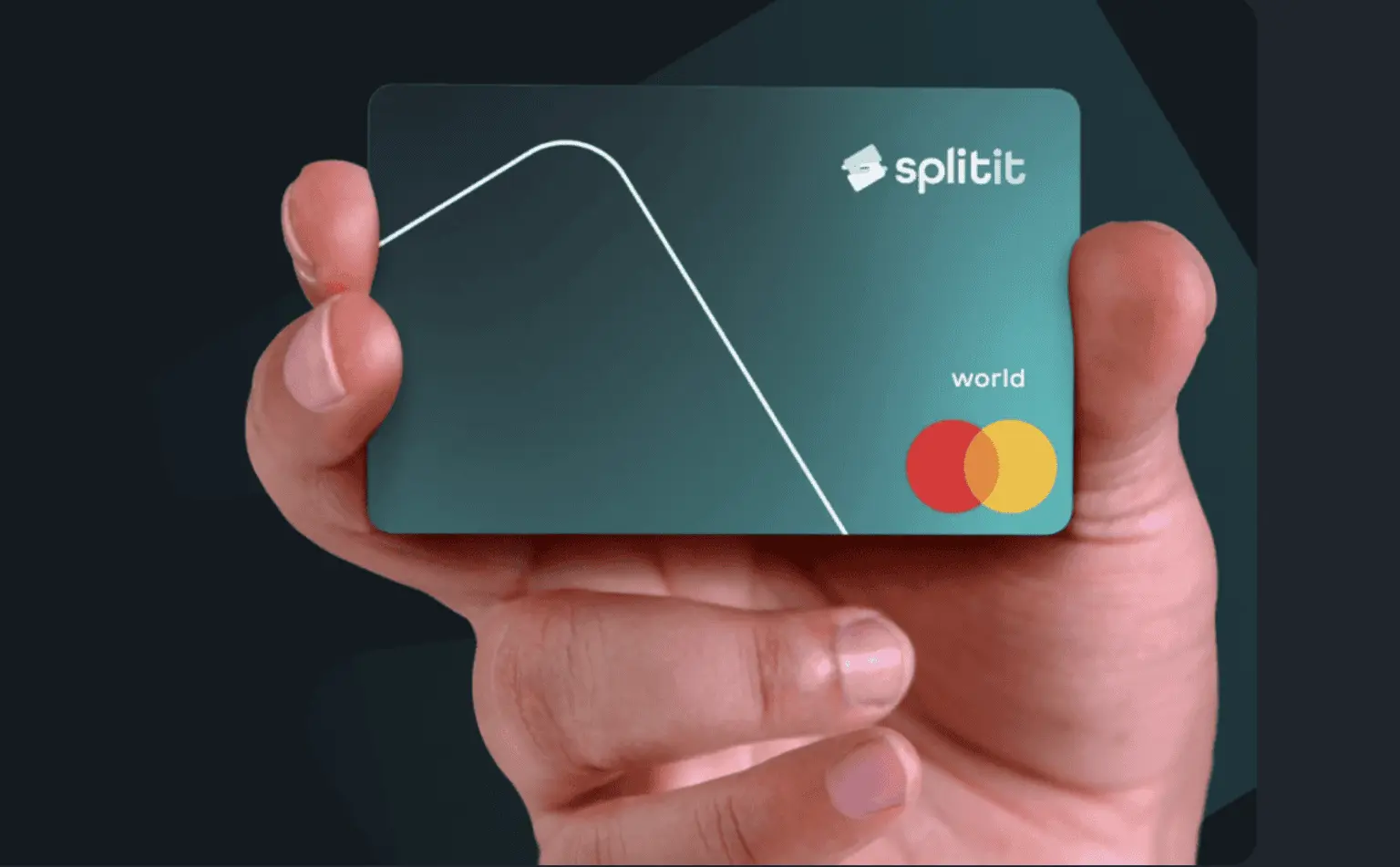 Splitit Announces White-Label Credit Card Launch
 Billing Friction Puts $12.3 Billion in Auto Loan Payments at Risk
 OneSpan Unveils New e‑Signature Features Including Identity Wallets and AI Workflow Support
Local entrepreneurs and community leaders are increasingly adopting these tools to manage small business transactions, remittances, and savings, reducing reliance on physical bank visits that can consume hours or even days. How Mobile Technology Is Bridging the Gap Mobile phone penetration has grown steadily, enabling fintech platforms to reach users even in remote villages. Agents operating through small shops or kiosks act as cash-in/cash-out points, creating a network that complements digital transfers. These agents often use basic smartphones to process transactions, linking users to formal financial systems without requiring them to travel to a town center. Reports from 2025 indicate that over 60% of adults in rural areas now use some form of digital financial service, up from under 30% five years earlier. What Role Do Local Leaders Play in Adoption? Community chiefs and women’s groups have been instrumental in building trust in new financial technologies.
By endorsing mobile savings groups and facilitating training sessions
By endorsing mobile savings groups and facilitating training sessions, they help overcome skepticism about security and usability. Their involvement has led to higher uptake in provinces like Malaita and Makira, where traditional governance structures remain strong. One village elder in Guadalcanal noted that digital savings have helped families plan for school fees and medical emergencies without selling livestock or crops prematurely. Frequently Asked Questions How do people without smartphones access fintech services? Many use basic phones with USSD menus to check balances or send money, relying on agent networks for cash handling. Is internet connectivity reliable enough for digital banking? While coverage remains patchy, most fintech services are designed to work offline or with low bandwidth, syncing when a signal is available. Are there risks associated with relying on agents for cash?
Agent networks are regulated by the central bank, and transaction logs help prevent fraud, though users are advised to verify receipts and keep records.