
How Software Revolutionized Transactions
Paying for goods and services has undergone a significant transformation. What was once a separate, distinct step in any transaction is now often an integrated feature. This shift is largely due to advancements in software, which have woven payment capabilities directly into everyday systems.
Breaking news
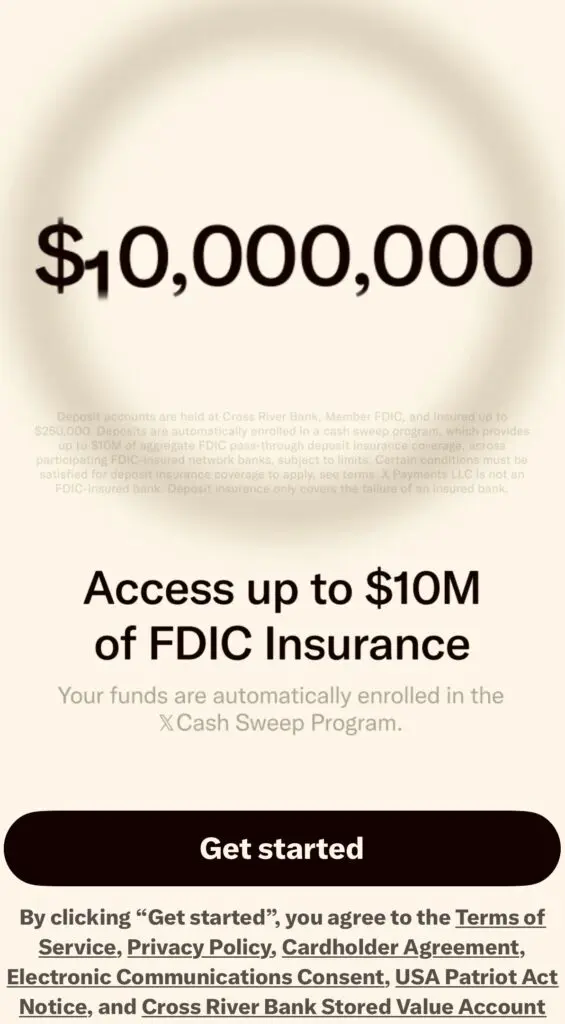 X Money Launches with High-Yield Savings and Cashback Rewards
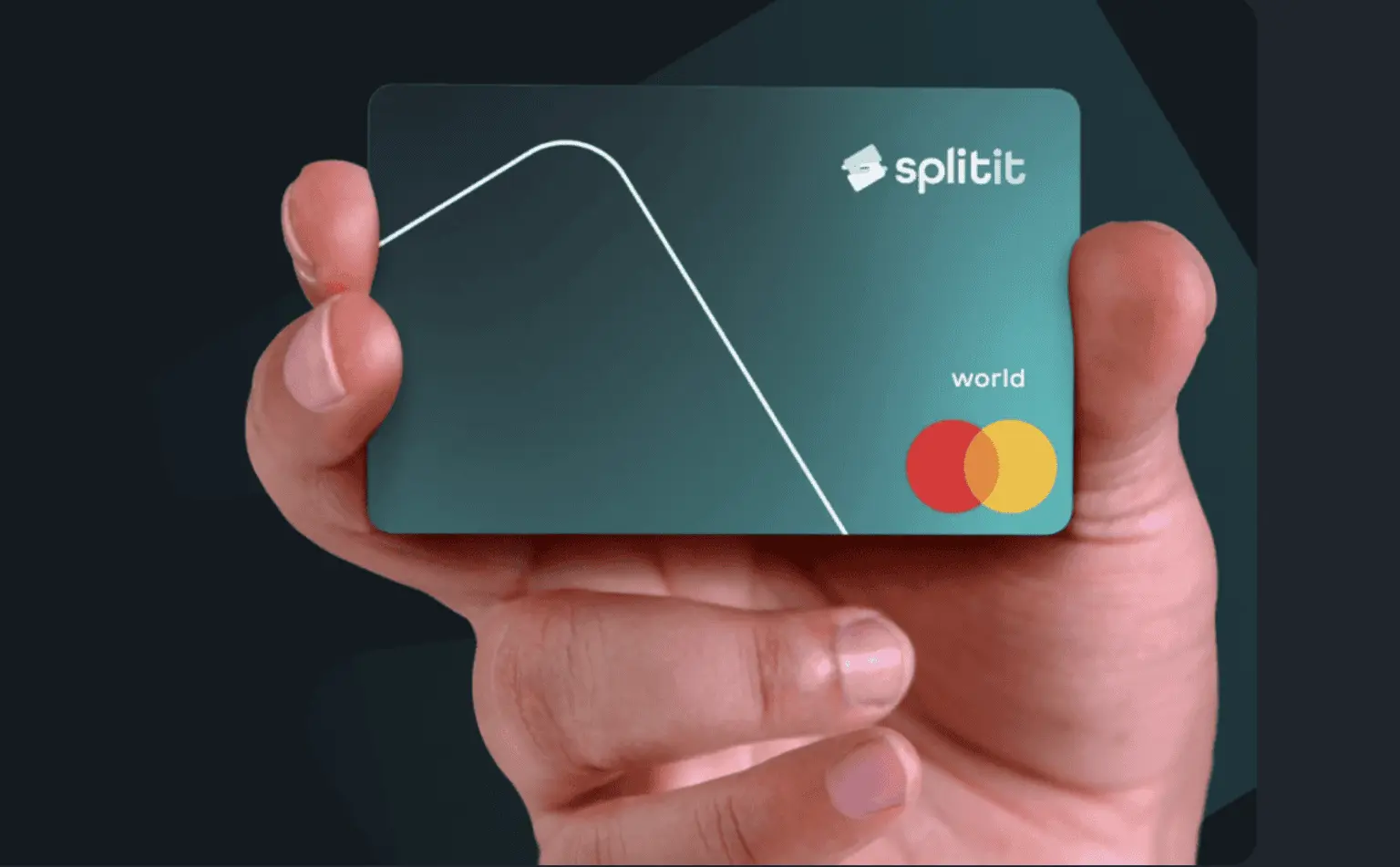 Splitit Announces White-Label Credit Card Launch
 Billing Friction Puts $12.3 Billion in Auto Loan Payments at Risk
 OneSpan Unveils New e‑Signature Features Including Identity Wallets and AI Workflow Support
This integration means payments are fading into the background. They are becoming an invisible part of the user experience. This subtle change, however, is enabling entirely new ways of doing business.
Software has embedded payment functions into a wide array of platforms. Point-of-sale systems now handle payments seamlessly. Enterprise Resource Planning (ERP) software also includes these capabilities. Even digital wallets have made payments a natural part of their operation.
What New Business Models Are Emerging?
This deep integration simplifies the entire commercial process. Businesses can now offer more streamlined services. Customers experience fewer interruptions during their purchases. The focus shifts from the payment itself to the value of the transaction.
The embedding of payments has opened doors for innovative business models. Self-service options are a prime example. Customers can complete transactions independently, without direct human intervention. This would be difficult without integrated payment systems.
Think of automated kiosks or subscription services. These models rely heavily on payments being an inherent part of the software. This allows for greater efficiency and convenience. It also supports a more personalized customer journey.
The future of commerce looks increasingly frictionless. Payments will continue to dissolve into the background. This will allow businesses to focus on core offerings. It will also enhance the overall customer experience. The trend towards invisible payments is set to continue, driving further innovation in how we buy and sell.
Frequently Asked Questions
What does embedded paymentsmean? Embedded payments refer to payment capabilities integrated directly into software and platforms. This makes them a seamless part of a larger process, rather than a separate step.
How do embedded payments benefit businesses? Businesses benefit from increased efficiency and the ability to create new service models. They can offer smoother customer experiences and reduce friction in transactions.
What is an example of an embedded payment in action? A self-service checkout at a store is a good example. The payment process is built directly into the system, allowing customers to complete their purchase without assistance.