How Mobile Money Paved the Way for Digital Innovation
Uganda’s fintech revolution began long before the term entered global vocabulary, rooted in the widespread adoption of mobile money services that transformed how millions accessed financial tools. By 2026, this early embrace of mobile technology as a financial platform has evolved into a broader digital economy, where mobile networks serve as the foundation for payments, savings, credit, and even insurance. The country’s journey reflects a unique path where necessity drove innovation, turning basic mobile phones into essential financial instruments for the unbanked and underbanked populations across urban and rural areas.
Breaking news
 X Money Launches with High-Yield Savings and Cashback Rewards
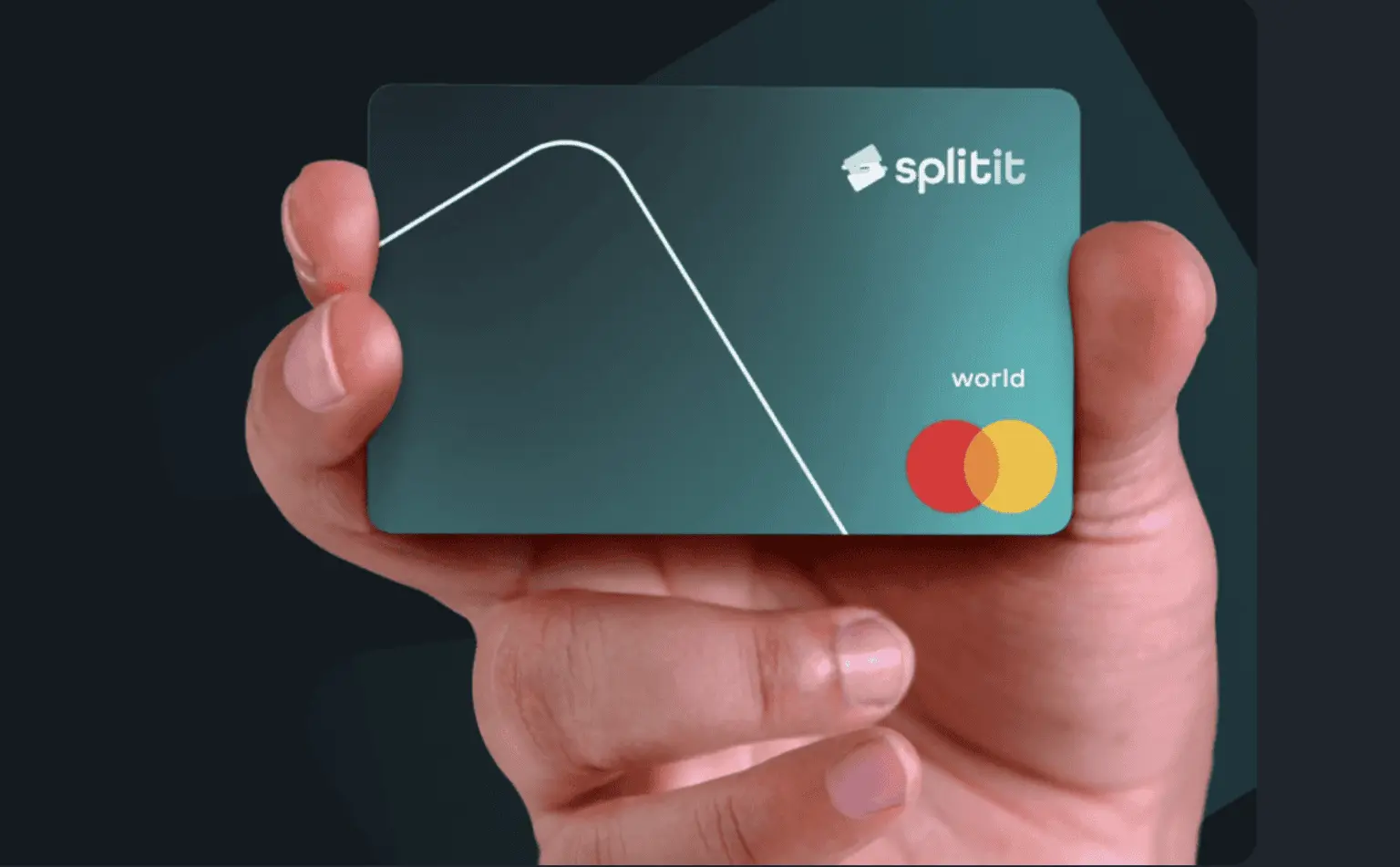 Splitit Announces White-Label Credit Card Launch
 Billing Friction Puts $12.3 Billion in Auto Loan Payments at Risk
 OneSpan Unveils New e‑Signature Features Including Identity Wallets and AI Workflow Support
The origins of Uganda’s digital financial shift trace back to the early 2010s when telecom companies partnered with agents to enable cash-in, cash-out services through basic mobile phones. This system allowed users to deposit money with local agents, transfer funds via SMS, and withdraw cash without needing a traditional bank account. Over time, these services expanded to include airtime loans, merchant payments, and government disbursements, creating an ecosystem that operated independently of formal banking infrastructure. By 2026, mobile money penetration remains among the highest in Africa, with over 70% of adults using such services regularly, according to central bank data. This deep integration has fostered financial inclusion at scale, particularly for women, smallholder farmers, and informal traders who were previously excluded from conventional financial systems.
What Role Will Emerging Technologies Play in Uganda’s Next Phase?
The success of mobile money created a trusted digital layer that enabled further innovation in Uganda’s fintech space. Developers built upon the existing USSD and SMS-based platforms to introduce micro-savings products, digital credit scoring using transaction histories, and pay-as-you-go solar energy financing. These services leverage the behavioral data generated through routine mobile money interactions, allowing providers to assess creditworthiness without traditional collateral. In Kampala and other urban centers, startups now offer integrated digital wallets that combine mobile money with merchant QR codes, enabling seamless transactions for small businesses. Regulatory sandboxes introduced by the Bank of Uganda have supported experimentation with blockchain-based remittances and digital identity verification, aiming to reduce fraud and expand cross-border trade. Despite these advances, challenges persist, including interoperability between different mobile money platforms and the need for stronger consumer protection frameworks as digital financial products grow more complex.
Looking ahead, Uganda’s digital economy is poised to deepen through the integration of artificial intelligence, expanded internet access via 4G and 5G rollouts, and greater collaboration between telecoms, fintechs, and traditional banks. AI-driven tools are being tested to personalize financial advice, detect anomalies in transaction patterns, and automate loan underwriting for small enterprises. Meanwhile, efforts to expand broadband connectivity in rural regions aim to unlock the full potential of digital services beyond basic transactions. The government’s Digital Uganda Vision 2026 strategy emphasizes infrastructure development, digital literacy, and supportive policies to ensure that innovation benefits all segments of society. If successfully implemented, these initiatives could position Uganda not just as a pioneer in mobile money, but as a hub for inclusive digital finance in East Africa.
How did mobile money become so widespread in Uganda? Mobile money gained traction due to limited access to traditional banks, strong telecom networks, and agent-based models that allowed cash transactions through local shops, making financial services accessible even in remote areas.
Frequently Asked Questions
What new services have built on Uganda’s mobile money foundation? Services such as micro-savings, digital credit based on transaction history, pay-as-you-go solar financing, and merchant payment systems have emerged, using mobile money data and infrastructure to expand financial access.
Is Uganda planning to move beyond mobile money to more advanced digital finance? Yes, through regulatory sandboxes and national digital strategies, Uganda is exploring AI, blockchain, and broader internet integration to enhance financial inclusion, security, and innovation while building on its mobile money legacy.