
The Intersection of Trends
Virtual cards are gaining momentum in the commercial payments space, driven by factors beyond traditional control and security benefits. This year is expected to see a significant increase in adoption as businesses and financial institutions recognize the value of these digital payment tools.
Breaking news
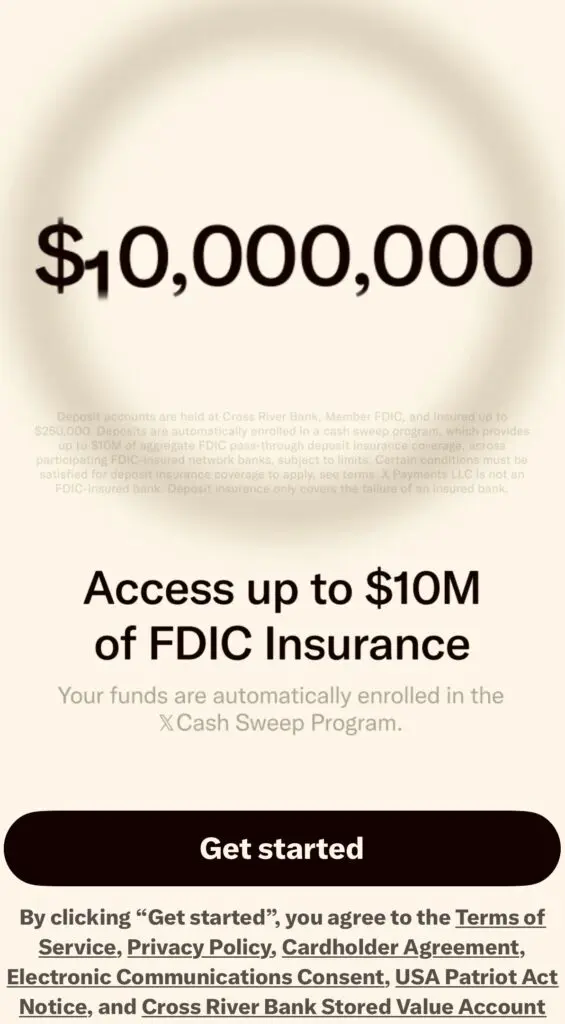 X Money Launches with High-Yield Savings and Cashback Rewards
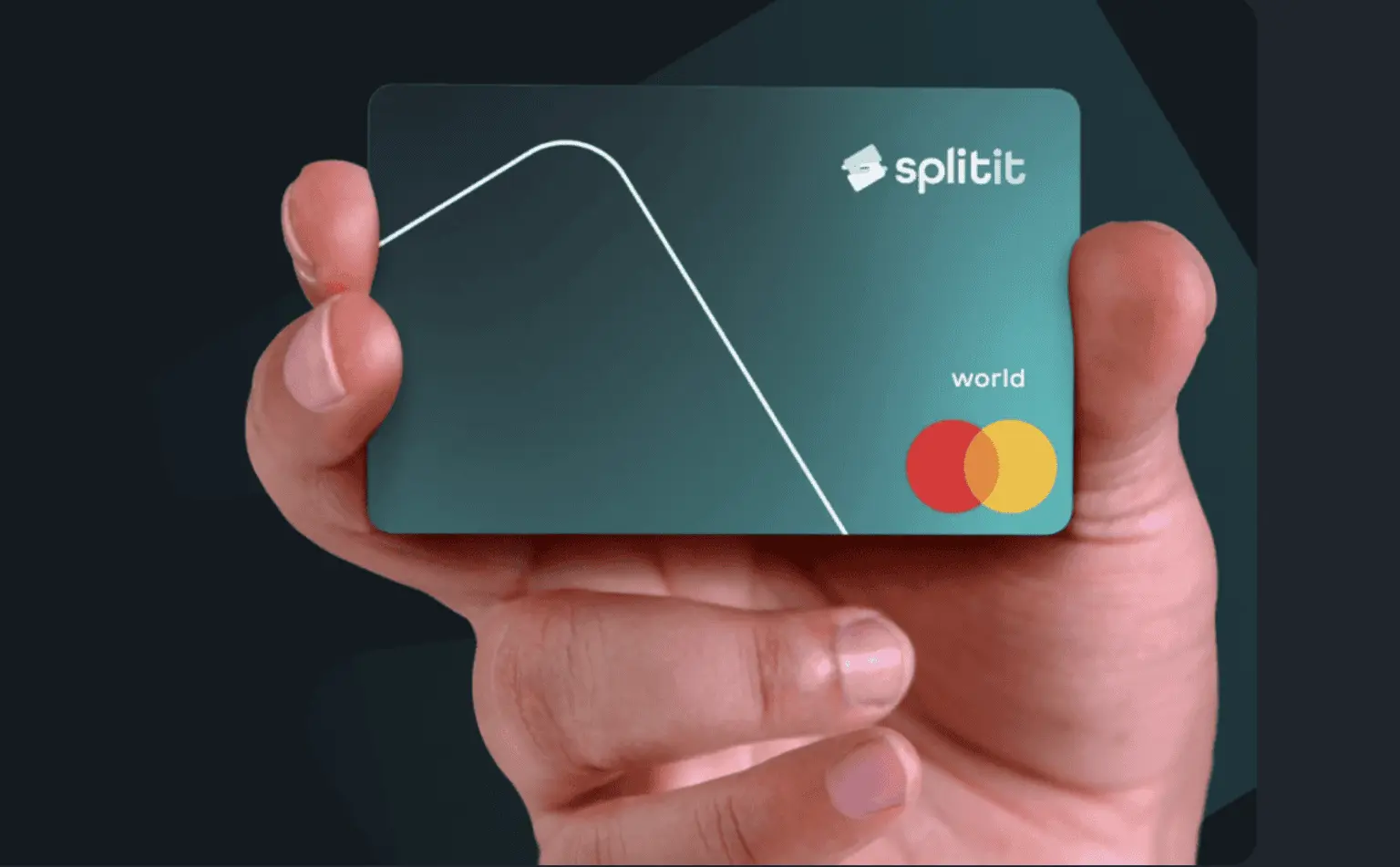 Splitit Announces White-Label Credit Card Launch
 Billing Friction Puts $12.3 Billion in Auto Loan Payments at Risk
 OneSpan Unveils New e‑Signature Features Including Identity Wallets and AI Workflow Support
The rise of virtual cards can be attributed to their ability to provide a high level of control and security, allowing users to set transaction limits, establish time parameters, and define usage restrictions before a payment ever takes place. However, the forces driving the next wave of adoption go beyond those traditional benefits. Virtual cards sit at the intersection of multiple trends, including the growing demand for digital payments, the need for greater control and security, and the increasing use of technology to streamline business operations.
Can Virtual Cards Meet the Needs of Businesses?
The convergence of these trends has created a perfect storm for virtual cards to take off. According to industry experts, the use of virtual cards is expected to increase significantly in the coming year as businesses seek to reduce the risk associated with commercial payments. „Virtual cards offer a level of control and security that traditional payment methods simply cannot match,”said a spokesperson for a leading financial institution. „As businesses become increasingly aware of the benefits of virtual cards, we expect to see a significant increase in adoption.”The benefits of virtual cards are not limited to control and security. They also offer a range of other advantages, including reduced risk, increased flexibility, and improved visibility into payment activity. For businesses, virtual cards can help to reduce the risk associated with commercial payments by providing a level of control and security that traditional payment methods simply cannot match.
They can also help to increase flexibility by allowing businesses to set transaction limits, establish time parameters, and define usage restrictions before a payment ever takes place.
Frequently Asked Questions
As the use of virtual cards becomes more widespread, businesses are beginning to ask whether these digital payment tools can meet their needs. The answer is a resounding yes. Virtual cards offer a range of benefits that can help businesses to reduce the risk associated with commercial payments, increase flexibility, and improve visibility into payment activity. They also offer a level of control and security that traditional payment methods simply cannot match.
The increasing adoption of virtual cards is expected to have a significant impact on the commercial payments space. As businesses become increasingly aware of the benefits of virtual cards, we can expect to see a significant increase in adoption. This, in turn, is expected to drive growth in the digital payments market, creating new opportunities for businesses and financial institutions alike.