A door opens after a decade of silence
No new electronic money issuers entered the DRC market for ten years. Telecom operators dominated the infrastructure. Wave is now the fifth licensed issuer. It joins Airtel Money, Orange Money, Vodacash, and Afrimobile Money. In Cameroon, Wave operates via a partner bank. In Kinshasa, it holds a direct license. The company is recruiting locally to build its agent network. Jérémie Lukusa, DRC general manager, notes that a license opens the road but does not guarantee immediate success.
Breaking news
 Buyer Beware: Nvidia's Wild Swings Expose Single-Stock ETF Risks
 Money Carer adopts YEO facial recognition to secure vulnerable adults' finances
 Gen Z Heirs Are Abandoning Their Parents' Private Banks
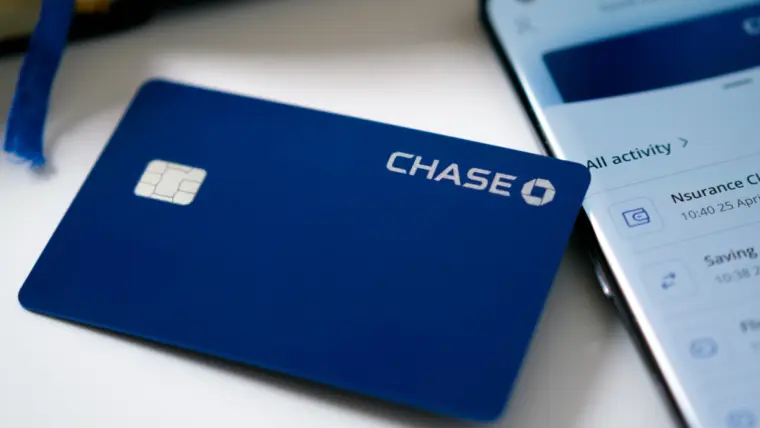 Chase Blocks Crypto Card Purchases
A duopoly dominates revenues
Two telecom operators capture over 80% of mobile payment transaction revenues. As of June 2026, the DRC had 34.8 million active mobile money subscriptions. Airtel Money leads with 43.5% of transaction revenues. M-Pesa follows with 39.7%. Orange Money holds 16.4%. Afrimoney has 0.4%. The World Bank data shows 39.2% of Congolese adults held a financial account in 2024. Current withdrawal fees are high for small amounts, reaching 9%. Wave counters this with a flat 1% transfer fee and free withdrawals.
The bank is not standing still
EquityBCDC launched the Libanga account in October 2025. It targets informal workers earning under $300 monthly. The account opens with $1 or 2,900 CDF. It offers a free local card and free withdrawals. The monthly fee is $0.25. The bank is also developing bank-wallet gateways. This gives consumers more options and attractive fees. Wave’s competition will come from these banking products.
Will prices fall? First on small withdrawals
Senegal serves as the historical benchmark. Before Wave, Orange Money charged 6-10% per transaction. Orange cut fees by 80% in June 2021. By November 2021, transfer fees were 0.8% and withdrawals were free. In Côte d’Ivoire, agent strikes followed Wave’s fee cuts. Wave held 80.6% of electronic money stock in Senegal by late 2025. The DRC will not repeat this pace. It has two dominant operators backed by multinational telecom groups. They will likely cut small withdrawal fees after Wave’s launch.
Real constraints on the ground
Wave’s real constraints are on the ground. Its model relies on agents holding cash and electronic money. The country spans 2.3 million square kilometers with uneven roads. Conflicts persist in North and South Kivu. Wave targets customers without smartphones. This requires the USSD channel, controlled by telecom operators. Equal USSD access is the first test of BCC’s competitive will. The second test is wallet interoperability.
Two currencies, one regulatory agenda
The DRC lives with two currencies. As of September 2026, 87.6% of bank deposits were denominated in foreign currency, mostly dollars. BCC has eroded this figure for three years. Measures include displaying prices and paying taxes in CDF.