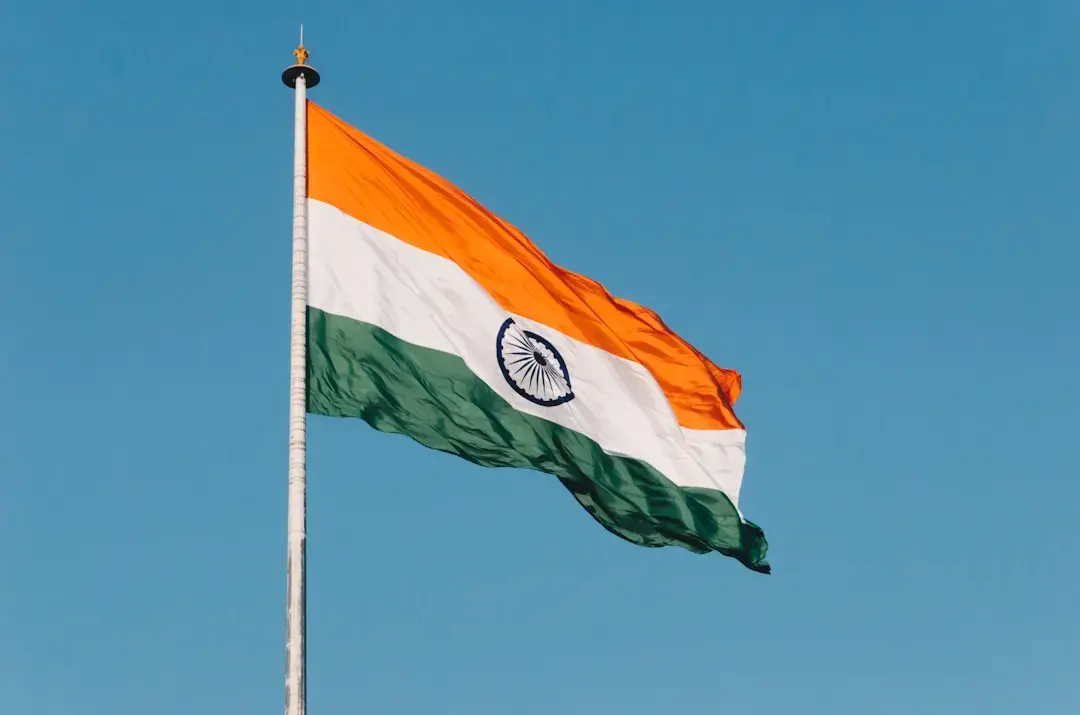
Re-evaluating the Zero-MDRPolicy
India is moving to change how its popular Unified Payments Interface (UPI) operates. New laws could allow merchants to be charged for some transactions. This marks a potential shift from the current free-to-use model for businesses.
Breaking news
 X Money Launches with High-Yield Savings and Cashback Rewards
 Splitit Announces White-Label Credit Card Launch
 Billing Friction Puts $12.3 Billion in Auto Loan Payments at Risk
 OneSpan Unveils New e‑Signature Features Including Identity Wallets and AI Workflow Support
The government-built UPI network has seen massive adoption. It currently allows businesses to accept payments without incurring any fees. This new legislation sets the stage for a significant policy review.
The proposed legal framework could end the zero-merchant-discount-ratepolicy. This policy has been central to UPI's rapid growth. It made digital payments very attractive for small businesses. However, it has also limited revenue for payment service providers.
Will Transaction Fees Impact Small Businesses?
The new rules aim to create a more sustainable business model. This could help fund further innovation and infrastructure development. The government seeks to balance widespread adoption with financial viability.
Introducing fees could affect millions of small merchants. Many adopted UPI due to its cost-free nature. Any new charges would need careful consideration to avoid hindering digital payment growth.
The government will likely explore different fee structures. This could include tiered rates or exemptions for small transaction values. The goal is to ensure the system remains accessible and affordable for all.
The long-term impact on digital commerce in India remains to be seen. Stakeholders will watch closely for the final policy decisions.
Frequently Asked Questions
What is the Unified Payments Interface (UPI)? UPI is an instant real-time payment system developed by the National Payments Corporation of India. It facilitates inter-bank peer-to-peer and person-to-merchant transactions through mobile phones.
What is the zero-merchant-discount-ratepolicy? This policy means that merchants are not charged a fee for accepting payments via UPI. It was introduced to encourage the widespread adoption of digital payments across India.
Why is India considering changes to UPI's business model? The government aims to create a more sustainable financial model for UPI. This would help support the network's ongoing development and maintenance, potentially by allowing payment service providers to generate revenue.