
Can Contactless Payments Revolutionize Daily Transactions?
Tapping a card or smartphone at checkout has become routine for many consumers. This payment method now accounts for around 60% of US transactions. The shift began before the pandemic but gained momentum as concerns about shared touchpoints grew.
Breaking news
 X Money Launches with High-Yield Savings and Cashback Rewards
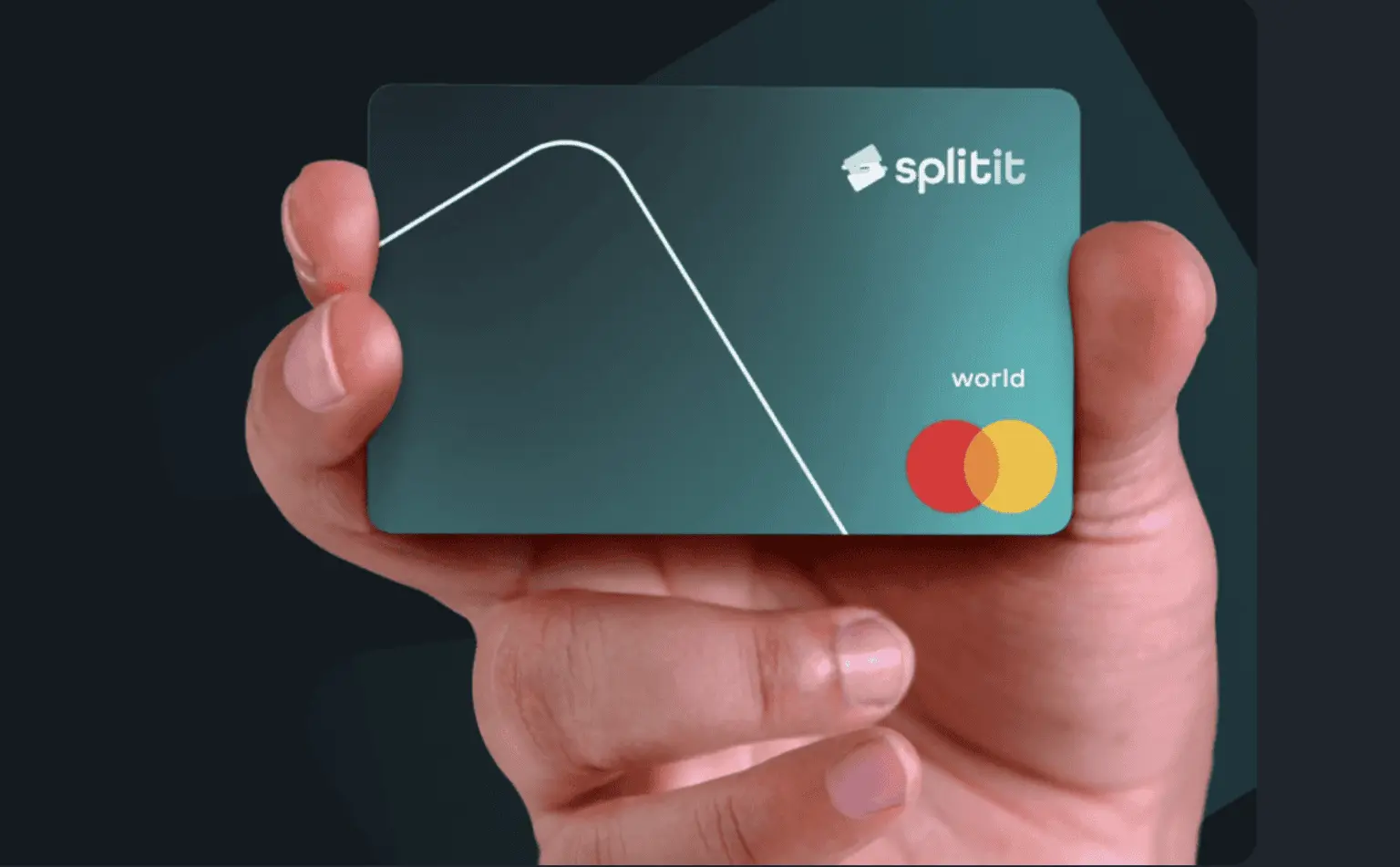 Splitit Announces White-Label Credit Card Launch
 Billing Friction Puts $12.3 Billion in Auto Loan Payments at Risk
 OneSpan Unveils New e‑Signature Features Including Identity Wallets and AI Workflow Support
The convenience of contactless payments has evolved into an expectation. Initially, it was a feature, but now it's a standard. The pandemic accelerated its adoption by raising concerns about point-of-sale terminals and other shared surfaces.
As consumers become increasingly comfortable with contactless transactions, businesses are exploring new applications. Friction points, such as ticketing, vending, and transit, are being reevaluated. By adopting contactless payments, these industries can improve the customer experience and reduce queues.
The technology is already being used in various sectors, including retail and hospitality. For instance, contactless payments can be used for transit fares, parking, and even vending machines. This expansion is driven by the growing demand for convenience and speed.
Frequently Asked Questions
As contactless payments continue to gain traction, they may transform the way we interact with everyday services. By reducing the need for cash and cards, contactless payments can make transactions faster and more convenient. This, in turn, can lead to increased customer satisfaction and loyalty.
The widespread adoption of contactless payments will likely have significant consequences for businesses and consumers alike. As the technology continues to evolve, we can expect to see new applications and innovations emerge.
What are the benefits of contactless payments? Contactless payments offer convenience, speed, and reduced friction. They also minimize the need for physical contact, making transactions more hygienic.
Are contactless payments secure? Yes, contactless payments use the same security measures as traditional card transactions, including tokenization and encryption.
How widespread are contactless payments? Contactless payments now account for around 60% of US transactions, with adoption rates continuing to grow.