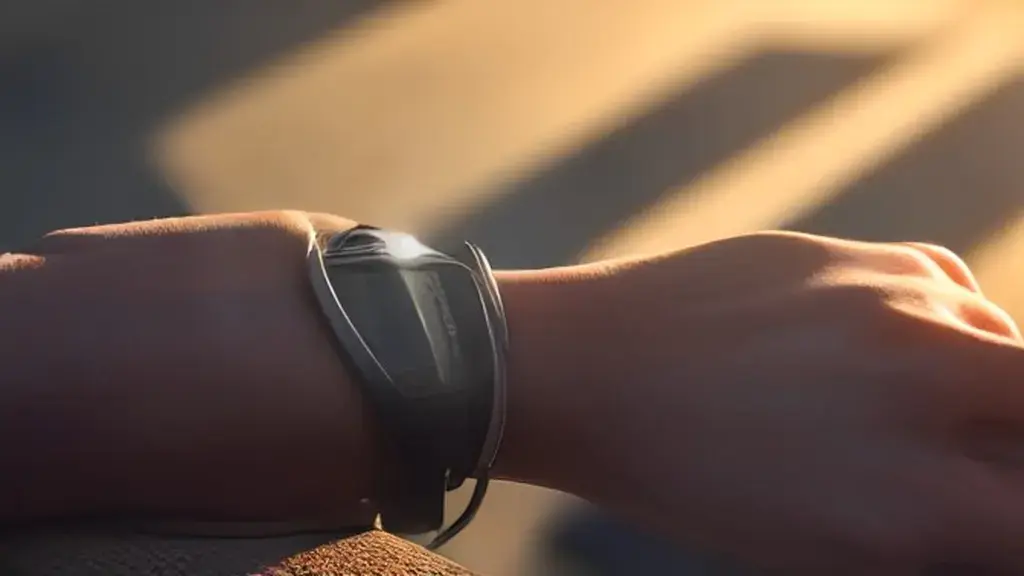
Payment and health data sharing one sensor suite
For years, smartwatches split their identity between a wallet and a health tracker. The wallet side handled contactless payments at coffee shops and transit gates, while the health side logged heart rate, steps, and sleep. Consumers often bought two separate devices, or settled for one function over the other. That division is dissolving.
Breaking news
 Visa and Samsung Launch QR Payments on Samsung Wallet in APAC
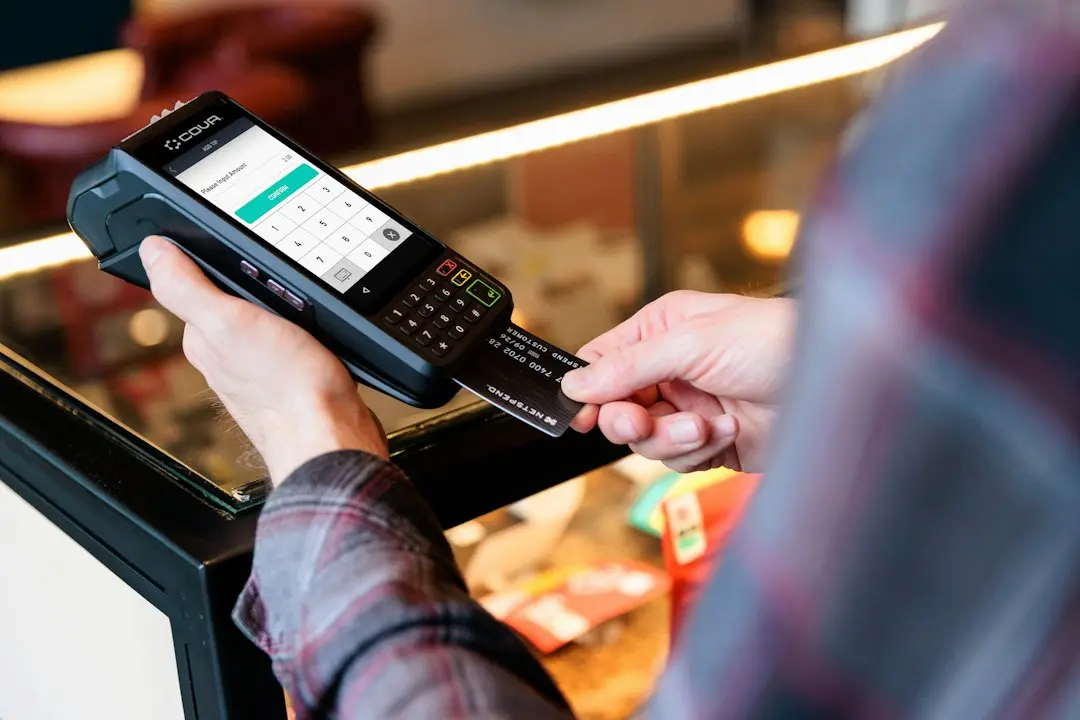 Mastercard Launches Phone-Based Payment Solution for Small Vendors
 Bangladesh Fintech Must Evolve Beyond Mobile Money
 How Wearable Health Monitors Are Redefining Elderly Safety and Independence
The new generation of wearables folds both roles into a single wrist-worn device. A smartwatch can now authorize a tap-to-pay transaction at a grocery store and, seconds later, flag an irregular heart rhythm or a sudden drop in blood oxygen. The convergence changes what consumers expect from a device that lives on the wrist.
Modern wearables use the same accelerometers, gyroscopes, and optical sensors to track both financial and biometric events.
A single fall-detector chip can trigger a payment reversal if a user drops their phone mid-transaction, and the same sensor confirms a genuine fall for health alerts.
Location services as a payment safeguard
This shared hardware means the device doesn't need separate modules for payments and health. Manufacturers can ship lighter, thinner watches that still handle both functions, which is why the form factor has shrunk while capabilities expanded.
For the consumer, the practical effect is simpler: one device, one app, one battery life to manage. You no longer need to charge a separate fitness band and a separate payment-enabled watch.
Location data has become a core part of the payment security stack. When a wearable confirms a transaction, it also logs the GPS coordinates of where the tap happened.
If a card is lost or a device is stolen, the location trail helps the bank or the user pinpoint where the fraud occurred.
Several payment networks now use location as a second-factor signal: a transaction attempted from a city where the user has never been triggers an automatic hold. This reduces the false-positive rate of fraud alerts that plague online banking.
Health alerts that protect the payment account
For a senior user, the same GPS feed also supports a localizare GPS ceas that lets family members track the wearer in real time. The payment and location functions are two sides of the same security architecture.
When a wearable detects a fall or a dangerous heart-rate spike, it can automatically notify a designated contact or a monitoring service.
For a payment-enabled device, the alert can also temporarily freeze the linked account until a human confirms the wearer is safe.
That freeze is not just a safety measure; it is a fraud-control feature. If the device is stolen and the wearer is unconscious, the account locks itself before a thief can tap to pay at a store.
Conversely, when the wearer is healthy and active, the device stays unlocked and ready for a quick tap. The health signal becomes a live authentication layer, more responsive than a PIN or a fingerprint.
What this convergence means for the next five years
Analysts expect the payment and health functions to become fully integrated within two to three years, with a single app managing both.
The device will prompt the user to authorize a payment, and in the same session, it will log a heart-rate reading that the bank can use as a biometric confirmation.
For consumers, the main benefit is convenience: one device, one subscription, one set of permissions. The main risk is data concentration; if the device is compromised, both your spending history and your biometric data are exposed at once.
The market response will be stronger encryption and on-device processing, keeping sensitive data local to the watch rather than streaming it to the cloud. That shift will determine whether consumers trust the convergence or keep their payments and health data on separate devices.