
Consumer Experience: From Phone
Wearable payment technology has quietly moved from novelty to mainstream. Consumers now complete purchases with a simple tap of a smartwatch or payment ring, removing the need to dig out a wallet or phone. This shift is driven by the demand for speed and convenience in everyday transactions.
Breaking news
 Visa and Samsung Launch QR Payments on Samsung Wallet in APAC
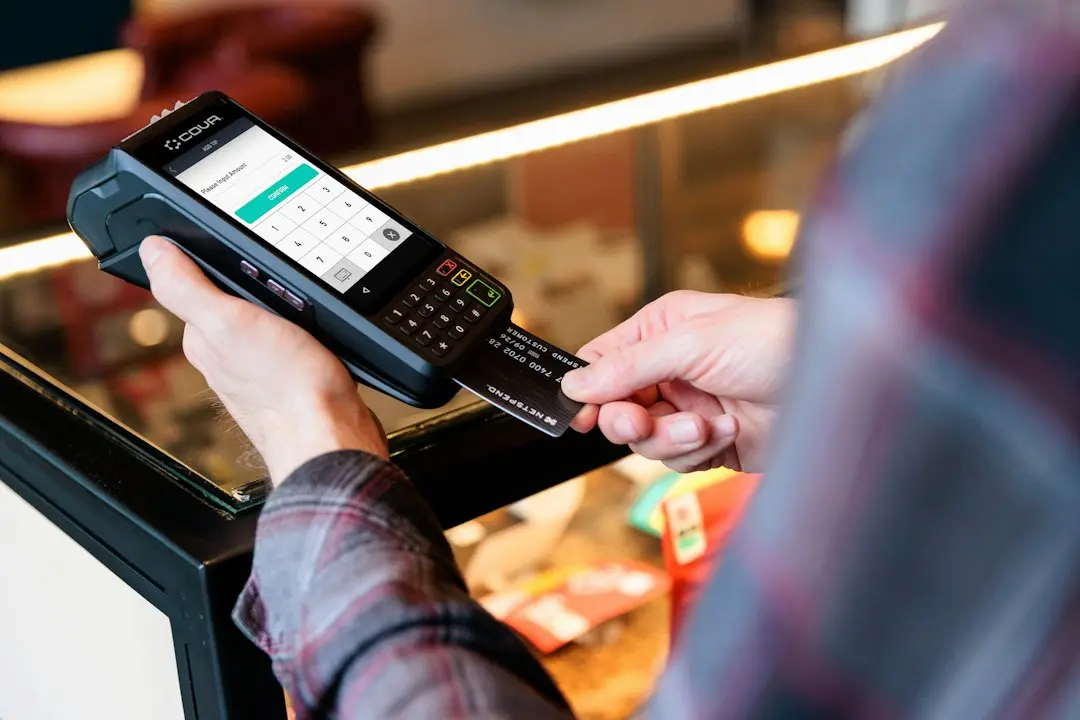 Mastercard Launches Phone-Based Payment Solution for Small Vendors
 Bangladesh Fintech Must Evolve Beyond Mobile Money
 How Wearable Health Monitors Are Redefining Elderly Safety and Independence
The ecosystem behind these devices is expanding rapidly. Fintech companies, hardware makers and merchants are collaborating to build a seamless experience. For the consumer, the result is a frictionless payment flow that fits naturally into daily routines, whether buying groceries, paying for transport or ordering online.
Modern payment wearables are designed around a single interaction: tap and go. Users no longer need to unlock a phone or enter a PIN for low-value transactions. This reduces checkout time significantly, which is especially valuable in high-traffic retail environments.
Security remains a top concern.
Merchant Integration and Payment Rails
Most devices use tokenization and biometric authentication, meaning the card number is never transmitted. For consumers, this adds a layer of protection without adding steps to the payment process.
Real-world adoption data shows a clear upward trend. Surveys indicate that a growing share of consumers now prefer wearable payments over phone-based options for small purchases, citing speed as the primary reason.
Merchants are the other half of this ecosystem. Retailers, restaurants and online stores must integrate payment terminals that recognize wearable transactions. This requires compatible POS hardware and software updates, which many have already implemented.
The payment rails connecting wearables to bank accounts are typically provided by established fintech firms. These rails handle authorization, settlement and fraud detection in the background, keeping the consumer experience simple.
Case Study: Online Beverage Retail in Romania
For online purchases, the integration is even smoother.
E-commerce platforms now support wearable checkout as an option alongside cards and mobile wallets, giving shoppers a consistent experience whether they are in-store or browsing at home.
A concrete example of this ecosystem in action is an online store selling bere in Romania, where customers can complete checkout securely using Apple Pay or Google Pay. The platform supports fast local delivery in Bucharest, with free shipping over a set threshold, demonstrating how payment flexibility drives conversion.
The store offers a range of craft beer styles including stouts, IPAs and fruit beers under several local brands. Prices vary across the catalog, and the payment options are integrated directly into the ordering flow.
This case illustrates a broader trend: even niche e-commerce businesses are adopting modern payment methods to reduce friction.
What to Watch Next in Wearable Payments
For the consumer, it means a smoother purchase from cart to confirmation without switching apps or entering card details manually.
Several developments are on the horizon that will further shape this space. Expect faster authorization times, broader merchant acceptance and improved security features. Hardware is also evolving, with lighter, more affordable devices entering the market.
Regulation is another factor. Financial authorities in various regions are updating rules around biometric payments and tokenized transactions. This regulatory clarity will help build consumer trust and encourage wider adoption.
For consumers, the practical takeaway is simple: check whether your wearable is compatible with your bank's payment app, and look for merchants that support it. The ecosystem is maturing quickly, and the gap between phone payments and wearable payments is closing fast.