Protecting Against Future Cyber Threats
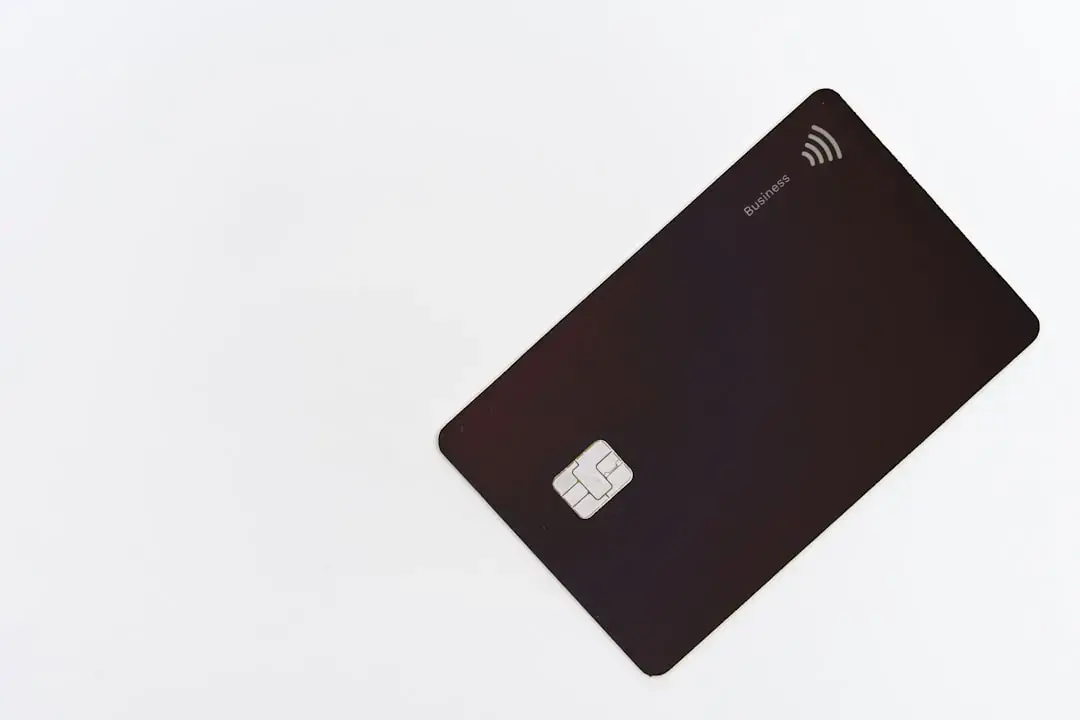
A new smart card technology has emerged, promising enhanced security for sensitive identification documents. This innovative card incorporates advanced post-quantum cryptography, designed to withstand future cyber threats. It can be used for both contact and contactless applications, making it versatile for various uses.
Breaking news
 X Money Launches with High-Yield Savings and Cashback Rewards
 Splitit Announces White-Label Credit Card Launch
 Billing Friction Puts $12.3 Billion in Auto Loan Payments at Risk
 OneSpan Unveils New e‑Signature Features Including Identity Wallets and AI Workflow Support
This development is particularly important for government and healthcare identification systems. The card integrates algorithms standardized by the National Institute of Standards and Technology (NIST). It also supports traditional cryptographic methods like RSA and ECC, allowing for hybrid security deployments. This layered approach ensures robust protection against evolving cyberattacks.
The smart card's core strength lies in its post-quantum cryptography. This technology is being developed to safeguard data from powerful quantum computers. These future machines could potentially break current encryption standards. By combining new and existing security protocols, the card offers a comprehensive defense. It ensures long-term data integrity and privacy for critical identity information.
How Does This Technology Benefit Users?
This advanced smart card provides a significant upgrade in security for personal identification. It protects sensitive data from sophisticated hacking attempts, including those from quantum computing. Users of government and healthcare IDs will have greater assurance that their information remains secure. The hybrid approach also means a smoother transition from older security systems.
The introduction of this smart card represents a major step forward in digital security. It helps future-proof identification systems against emerging technological threats. This innovation will likely set new standards for secure digital identities worldwide.
Frequently Asked Questions
What is post-quantum cryptography? Post-quantum cryptography refers to encryption methods designed to be secure against attacks from quantum computers. These new algorithms are crucial for protecting data in an era where traditional encryption might become vulnerable.
How does this smart card use hybrid cryptography? The smart card combines post-quantum algorithms with established methods like RSA and ECC. This hybrid approach offers multiple layers of security. It ensures protection against both current and future hacking techniques.
Who will primarily benefit from this new smart card? Government agencies and healthcare providers are the primary beneficiaries. The card enhances the security of national IDs, health records, and other sensitive identification documents. This protects citizens' personal information.