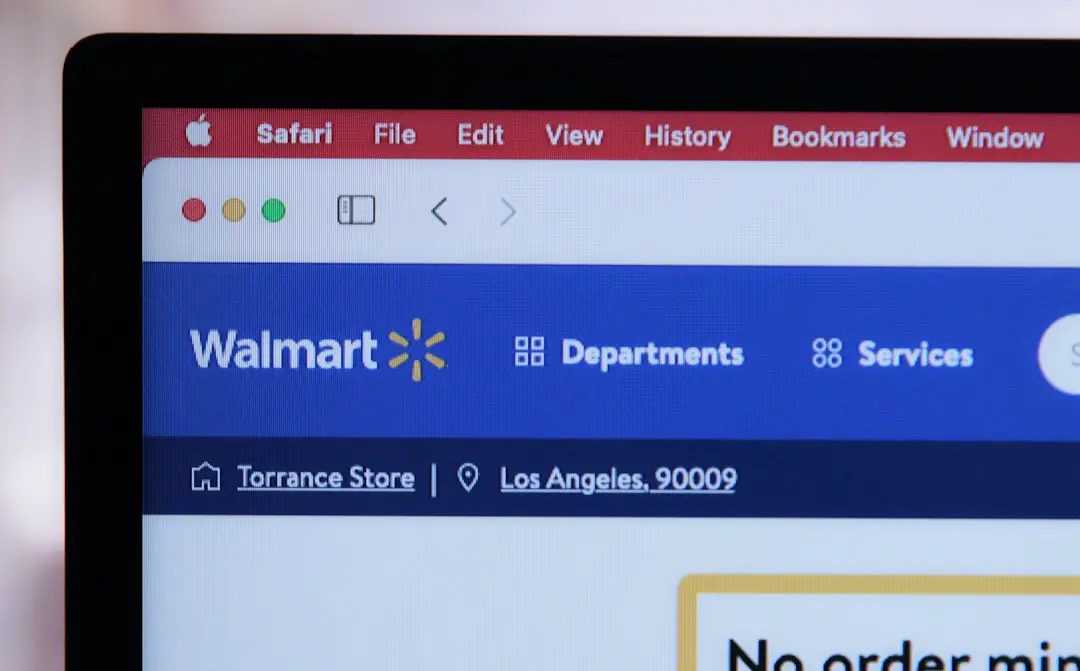
A Shift in Payment Strategy
Walmart's decision to allow Apple Pay and Google Pay at its stores, which began rolling out Monday, marks a significant shift in the company's payment strategy. This move could be the death knell for Walmart Pay, its proprietary payment service that has been in place for years.
Breaking news
 X Money Launches with High-Yield Savings and Cashback Rewards
 Splitit Announces White-Label Credit Card Launch
 Billing Friction Puts $12.3 Billion in Auto Loan Payments at Risk
 OneSpan Unveils New e‑Signature Features Including Identity Wallets and AI Workflow Support
The introduction of Apple Pay and Google Pay at Walmart stores is a major concession by the retail giant. For years, Walmart has required customers to add a payment card to its app, with a QR code presented to the consumer to scan at checkout. This system, while convenient for some, has been a point of contention for many customers who prefer the ease of tap-to-pay services.
Is Walmart Pay on Its Way Out?
Walmart's decision to allow Apple Pay and Google Pay is a significant departure from its previous stance. The company has long been a proponent of its own proprietary payment service, but it appears that customer demand for more flexible payment options has won out. This move is likely a response to the growing popularity of tap-to-pay services, which have become increasingly ubiquitous in recent years.
According to industry estimates, tap-to-pay services have seen significant growth in recent years, with many consumers opting for the convenience of these services over traditional payment methods. By allowing Apple Pay and Google Pay, Walmart is essentially acknowledging that its own payment service is no longer competitive.
The future of Walmart Pay is now uncertain, and many are left wondering if the company will continue to support its proprietary payment service. While Walmart has not made any official statements about the fate of Walmart Pay, it's clear that the company is no longer committed to its own payment service.
Frequently Asked Questions
In a statement, a Walmart spokesperson said that the company is „always looking for ways to improve the shopping experience for our customers.”While this statement is vague, it suggests that Walmart is open to exploring new payment options.
Walmart's decision to allow Apple Pay and Google Pay at its stores marks a significant shift in the company's payment strategy. While the future of Walmart Pay is uncertain, it's clear that the company is no longer committed to its proprietary payment service. As the retail landscape continues to evolve, it's likely that we will see more companies adopting tap-to-pay services in the future.