
How Payments Shape Early Banking Ties
Many young people form lasting banking relationships surprisingly early. About half of young consumers keep their first bank well into adulthood. A significant number never change banks at all. This trend makes Gen Z a key focus for financial institutions.
Breaking news
 X Money Launches with High-Yield Savings and Cashback Rewards
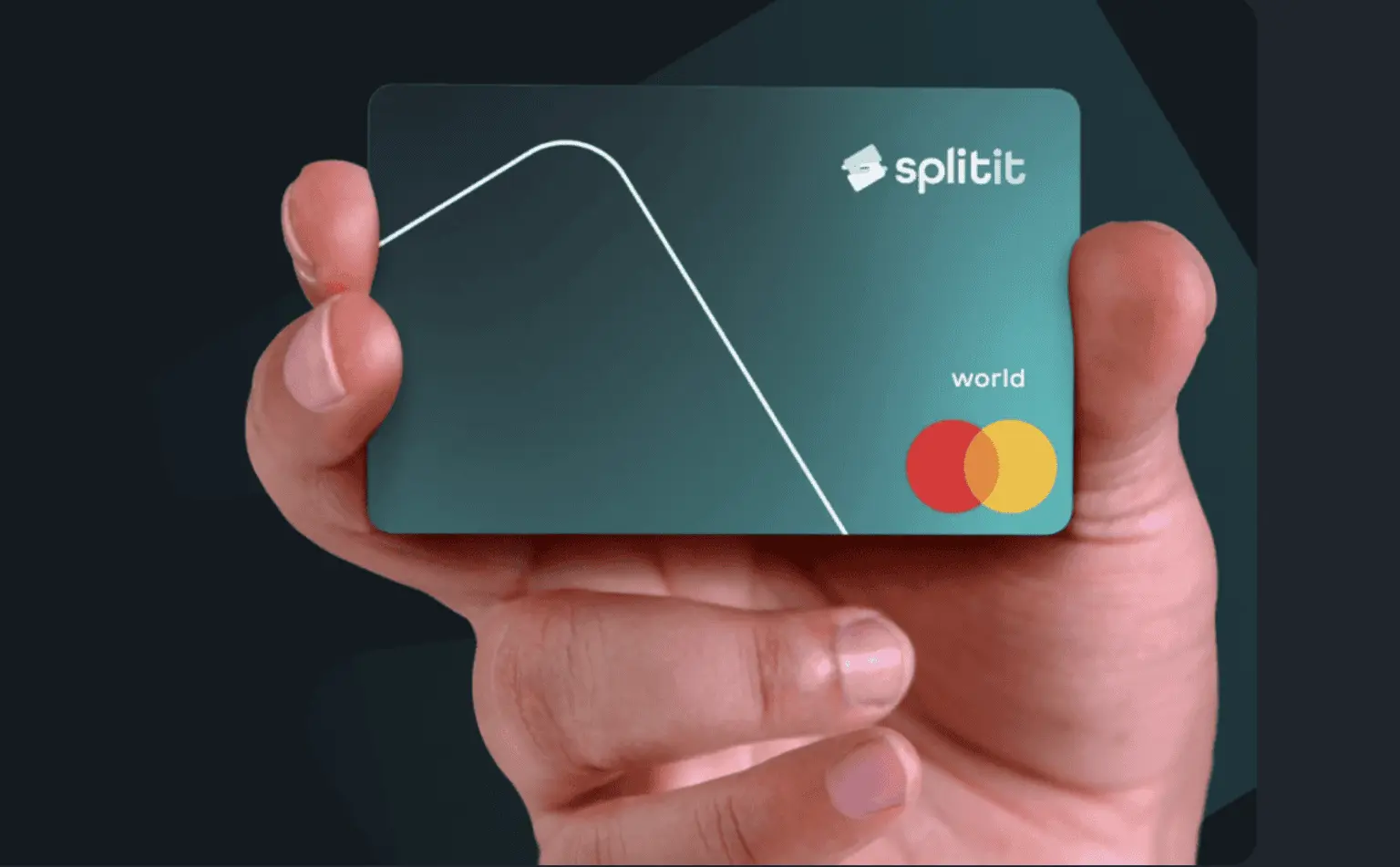 Splitit Announces White-Label Credit Card Launch
 Billing Friction Puts $12.3 Billion in Auto Loan Payments at Risk
 OneSpan Unveils New e‑Signature Features Including Identity Wallets and AI Workflow Support
This generation includes individuals from early teens to young adults. Banks understand that securing these customers now can lead to decades of loyalty. The initial banking experience often sets the stage for future financial decisions.
Payment methods are crucial for Gen Z. These young consumers often begin their banking journey through payment services. This early interaction builds a foundation of trust and familiarity. Banks are adapting their strategies to meet these digital demands.
Why Do These Early Relationships Endure?
Providing seamless and intuitive payment options is essential. This includes mobile apps, digital wallets, and instant transfers. A positive experience with these tools can solidify a young person's banking allegiance. Conversely, clunky or outdated systems can drive them away.
The longevity of these banking relationships is remarkable. Once a young person establishes an account, inertia plays a role. Switching banks can seem like a hassle, even if better options exist. Familiarity with an institution's services also contributes to this stickiness.
Furthermore, banks often offer products that grow with their customers. Student accounts can transition into checking and savings accounts for young professionals. This continuous support reinforces the initial bond. Building a strong relationship from the start is vital for long-term success.
Financial institutions are investing in technology and user experience. They aim to capture and retain this influential demographic. Understanding Gen Z's digital-first mindset is paramount. Their early banking choices will shape the financial landscape for years to come.
Frequently Asked Questions
What percentage of young consumers stay with their first bank? Roughly half of young consumers continue banking with their initial institution into adulthood. Many of these individuals never switch banks throughout their lives.
How do banking relationships typically begin for Gen Z? For Gen Z, banking relationships often start through payment services. Digital payment methods and mobile banking apps are key entry points for this generation.
Why is Gen Z so important to banks? Gen Z is crucial because their early banking choices often lead to lifelong loyalty. Banks recognize that securing these young customers now can ensure long-term growth and stability.