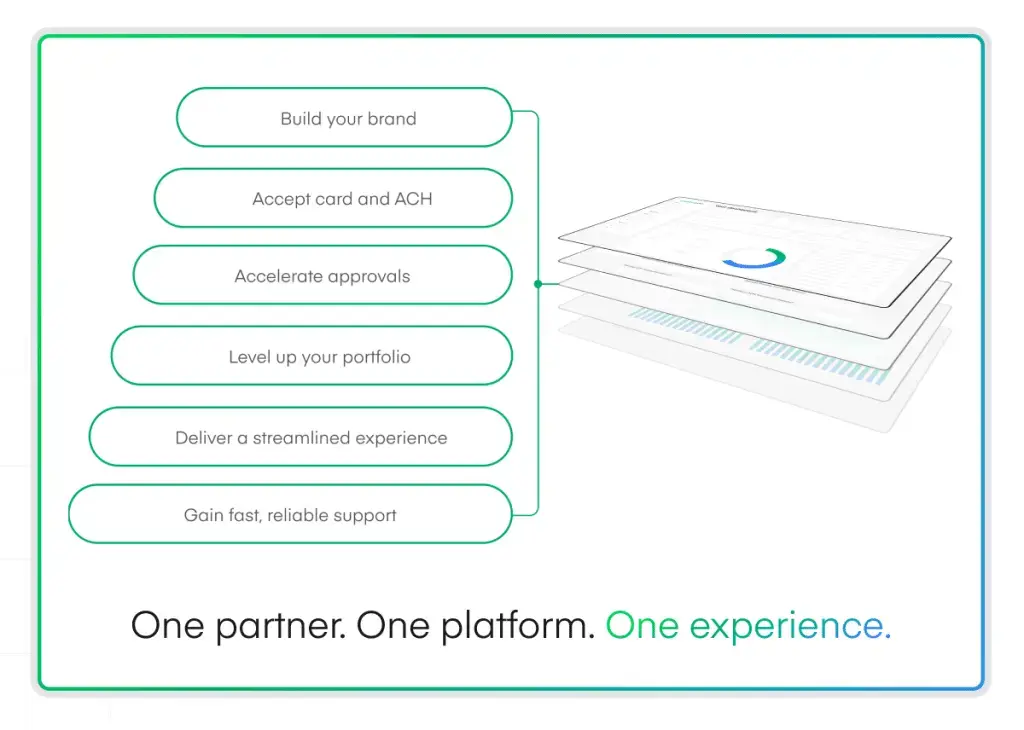
Behind the Branded Experience
The payments ecosystem has seen a surge in white-labelservices, with various models emerging to provide branded payment experiences. Companies are adopting different approaches to bring these services to market. Some own the underlying infrastructure, while others rely on third-party providers.
Breaking news
 X Money Launches with High-Yield Savings and Cashback Rewards
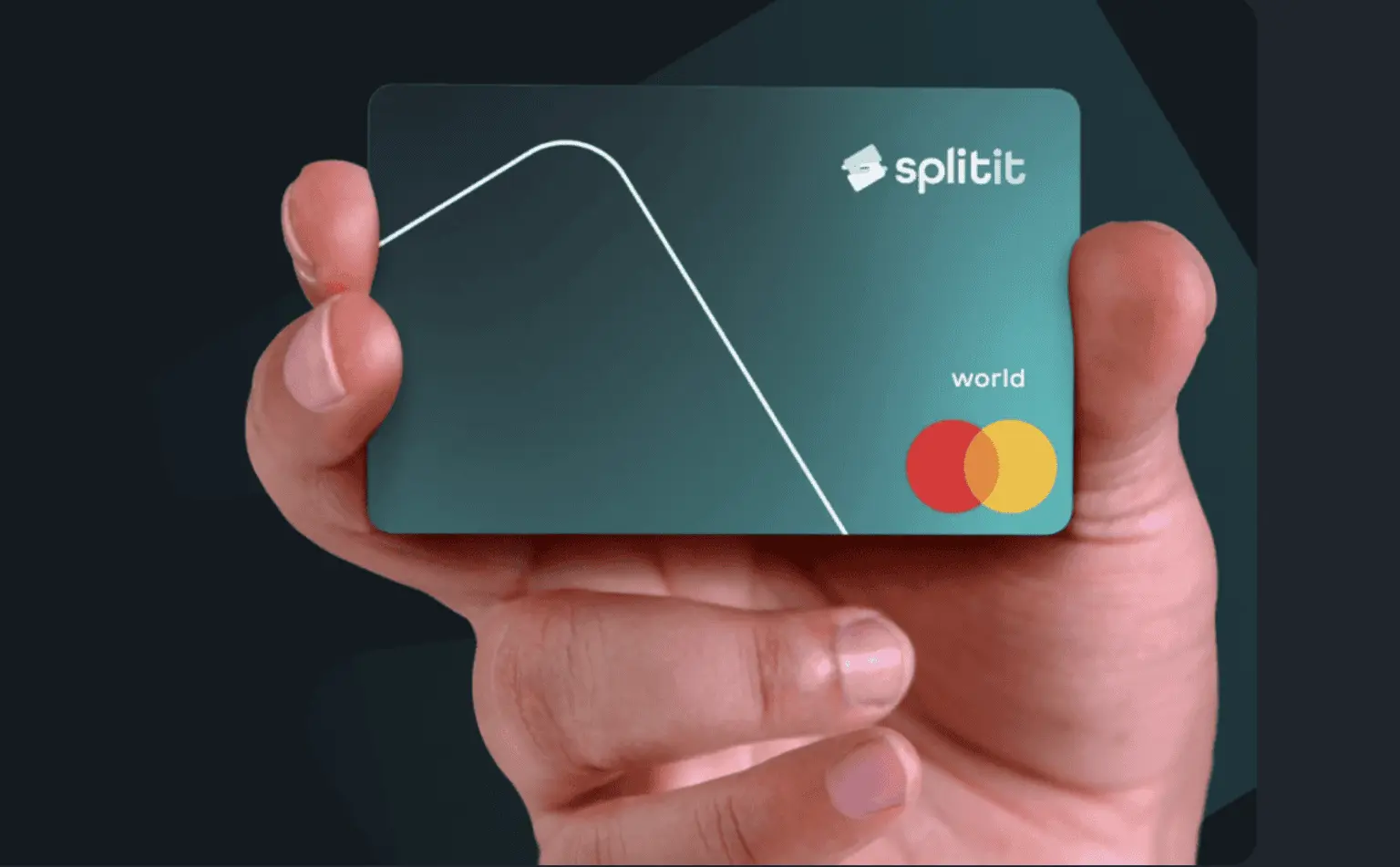 Splitit Announces White-Label Credit Card Launch
 Billing Friction Puts $12.3 Billion in Auto Loan Payments at Risk
 OneSpan Unveils New e‑Signature Features Including Identity Wallets and AI Workflow Support
The terms ISO, PayFac, and PayFac-as-a-Service have become increasingly popular, alongside white-label. These models allow businesses to offer customized payment solutions to their customers. However, the differences between them are significant, particularly in terms of underwriting, risk management, and operational infrastructure.
Some providers own the entire infrastructure, giving them full control over the payment process. Others outsource these functions to third-party providers, which can affect the level of control and risk management. The choice of model depends on the company's resources, expertise, and business goals.
Can White-Label Payments Be Trusted?
The full-service payments provider model offers a comprehensive solution, with the provider handling all aspects of the payment process. In contrast, retail or wholesale ISO models rely on independent sales organizations to facilitate transactions. PayFac-as-a-Service models, on the other hand, enable businesses to offer payment services without having to establish their own infrastructure.
The use of third-party providers can raise concerns about risk management and security. Companies must carefully evaluate the risks and benefits associated with each model. Those that own the underlying infrastructure have more control over the payment process, but may require significant investment.
The consequences of choosing the wrong model can be significant, with potential risks to reputation and customer trust. As the payments ecosystem continues to evolve, companies must carefully consider their options and choose a model that meets their business needs.
Frequently Asked Questions
What is the main difference between a full-service payments provider and a PayFac-as-a-Service model? A full-service provider owns the infrastructure, while a PayFac-as-a-Service model relies on a third-party provider. This affects control and risk management.
What are the benefits of owning the underlying infrastructure? Owning the infrastructure provides more control over the payment process and risk management. It also enables companies to customize their payment solutions.
How do companies choose the right model for their business? Companies must evaluate their resources, expertise, and business goals to choose the most suitable model. They must also consider the risks and benefits associated with each option.