Without clear data, they face unexpected charges and delayed dispute resolution
Amrit Nirav Mohanty leads marketing for Optimus Fintech, a payments software firm headquartered in San Francisco. He divides his time between the California office and the company’s operations in Pune, India. His comments come as the United Kingdom pushes to lessen reliance on Visa and Mastercard, a move that mirrors wider worries about payment concentration and rising acceptance costs. The real challenge for merchants, according to industry observers, is not which payment rail a transaction travels on. Instead, many struggle with limited visibility and control over their payment flows. This lack of insight makes it difficult to manage fees, reconcile settlements, and detect anomalies. The UK’s initiative highlights how regulators and businesses alike are seeking alternatives that could reduce dependence on the two dominant card networks. Merchant Visibility and Control Challenges Merchants often report that they cannot see the full path of a transaction from authorization to settlement.
Breaking news
 X Money Launches with High-Yield Savings and Cashback Rewards
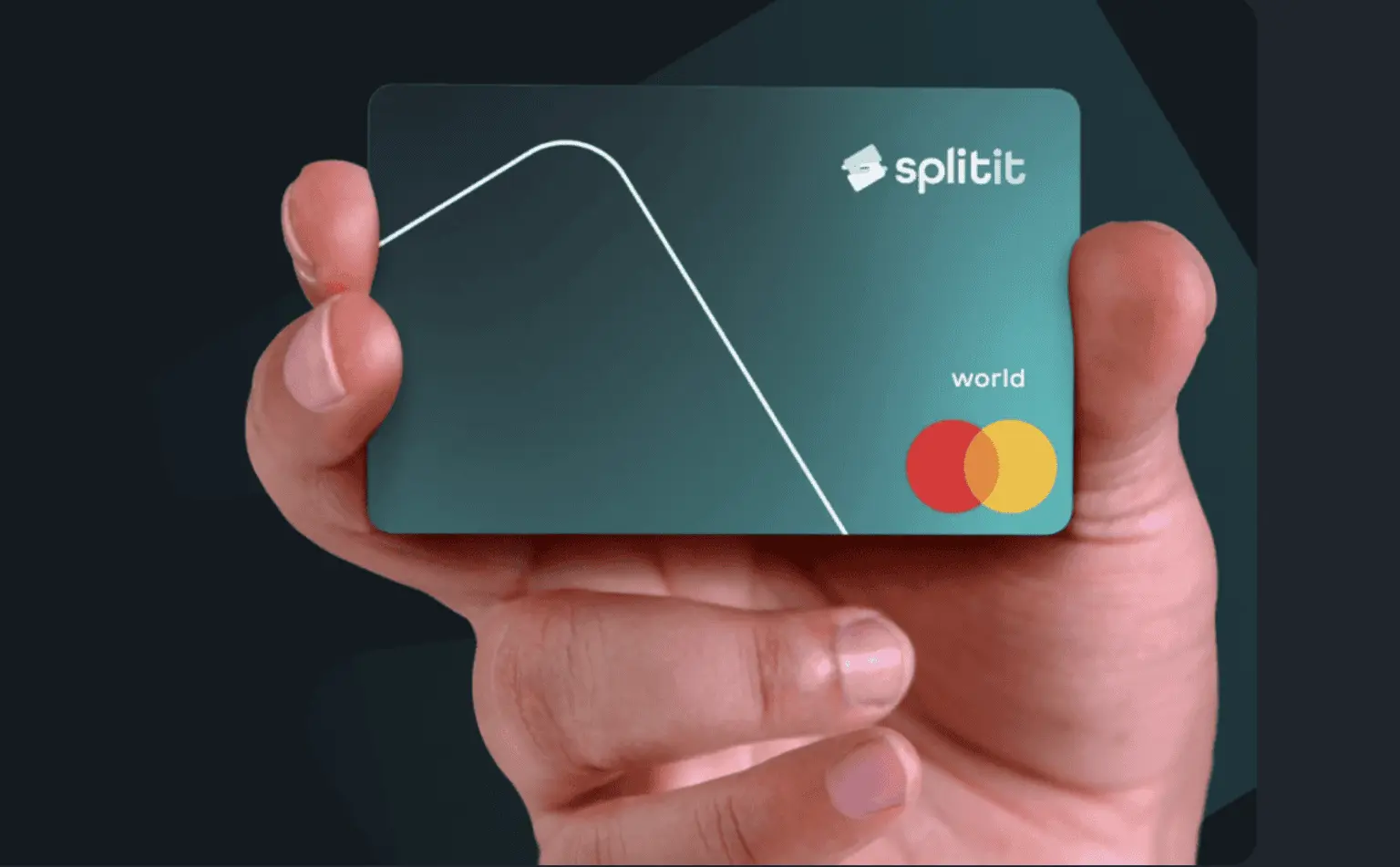 Splitit Announces White-Label Credit Card Launch
 Billing Friction Puts $12.3 Billion in Auto Loan Payments at Risk
 OneSpan Unveils New e‑Signature Features Including Identity Wallets and AI Workflow Support
Without clear data, they face unexpected charges and delayed dispute resolution. Optimus Fintech’s platform aims to address these gaps by providing real‑time monitoring tools that consolidate information across multiple payment channels. By offering a unified view, the software helps businesses identify cost drivers and improve cash‑flow forecasting. How Can Merchants Gain Better Oversight? Improving oversight begins with integrating payment data into a single dashboard that captures every step of the transaction lifecycle. Such integration enables merchants to spot patterns, compare fees across networks, and react quickly to irregularities. Industry experts suggest that adopting open‑banking standards and API‑based connectors can further enhance transparency, allowing merchants to switch rails without losing control over their financial operations. The push in the United Kingdom to diversify payment options may encourage other regions to examine similar strategies.
If merchants gain better visibility and control
If merchants gain better visibility and control, they could negotiate more favorable terms with providers and reduce overall acceptance expenses. Over time, a more competitive landscape might emerge, lessening the dominance of any single card network and fostering innovation in payment technologies. Frequently Asked Questions What does Optimus Fintech offer to improve merchant visibility? Optimus Fintech provides a payments software platform that consolidates transaction data from various channels into a real‑time dashboard, helping merchants monitor fees, settlement status, and anomalies.
Why is the United Kingdom reducing reliance on Visa and Mastercard? The United Kingdom’s effort reflects a growing global concern about payment concentration and rising acceptance costs, aiming to increase competition and give merchants more choice.
How does better payment control affect merchant costs? When merchants have clearer insight into their payment flows, they can identify unnecessary fees, optimize settlement timing, and negotiate better terms, which can lower overall acceptance expenses.